USU ASPIRE Students Attend Industry & Innovation Trip
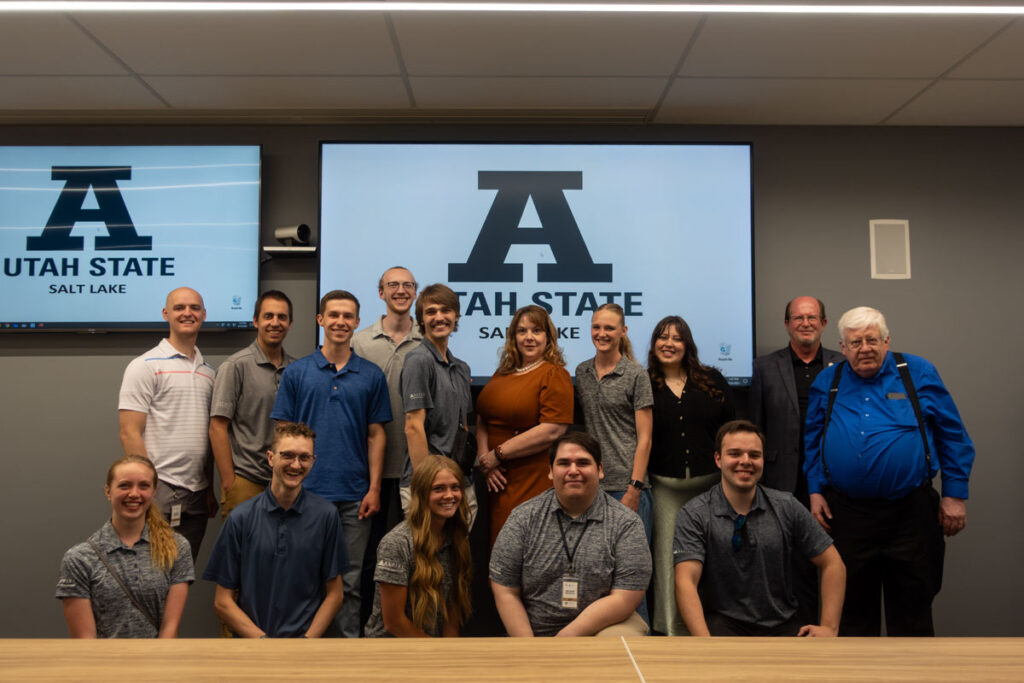
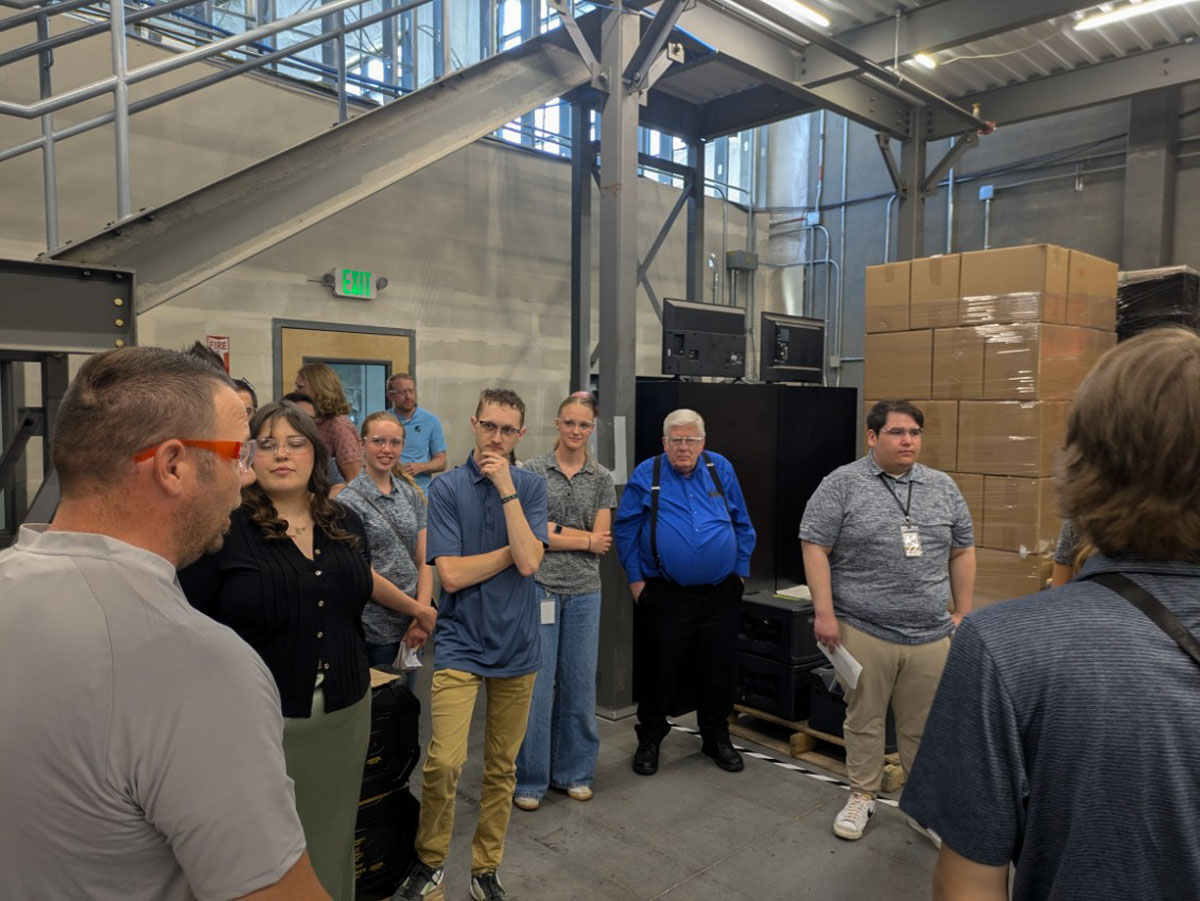
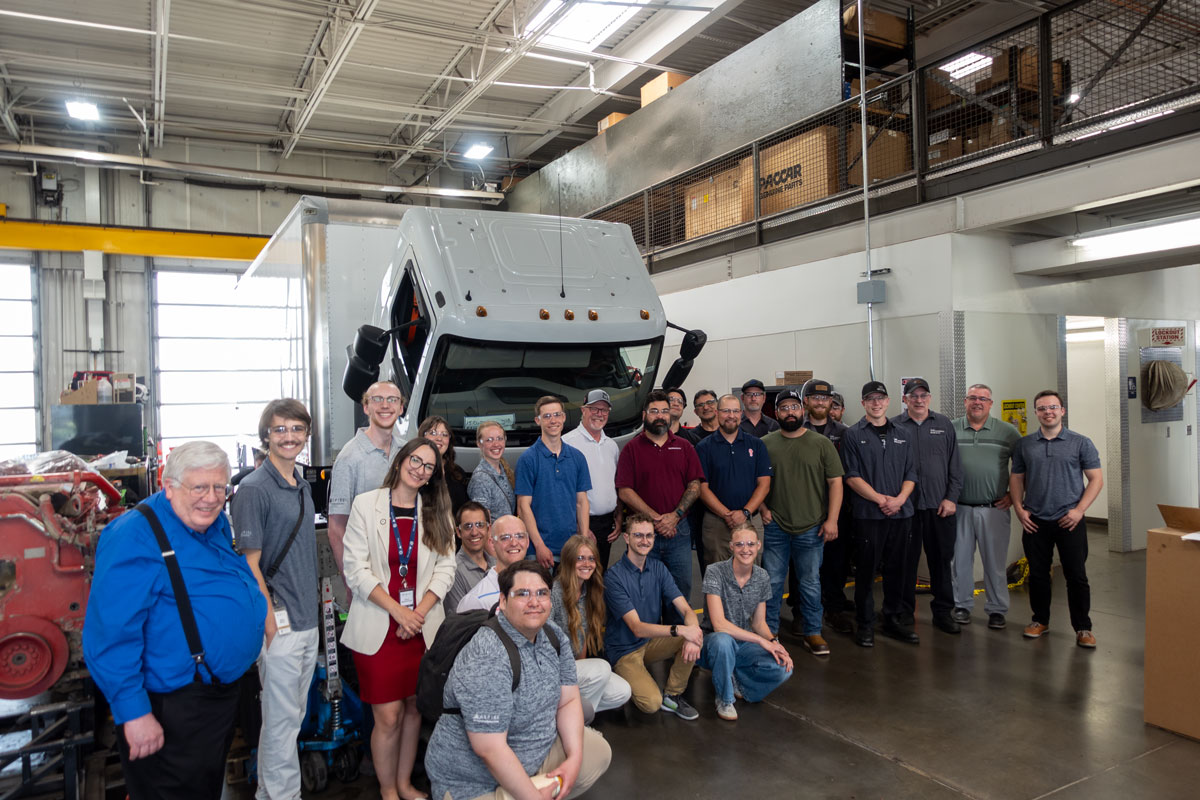
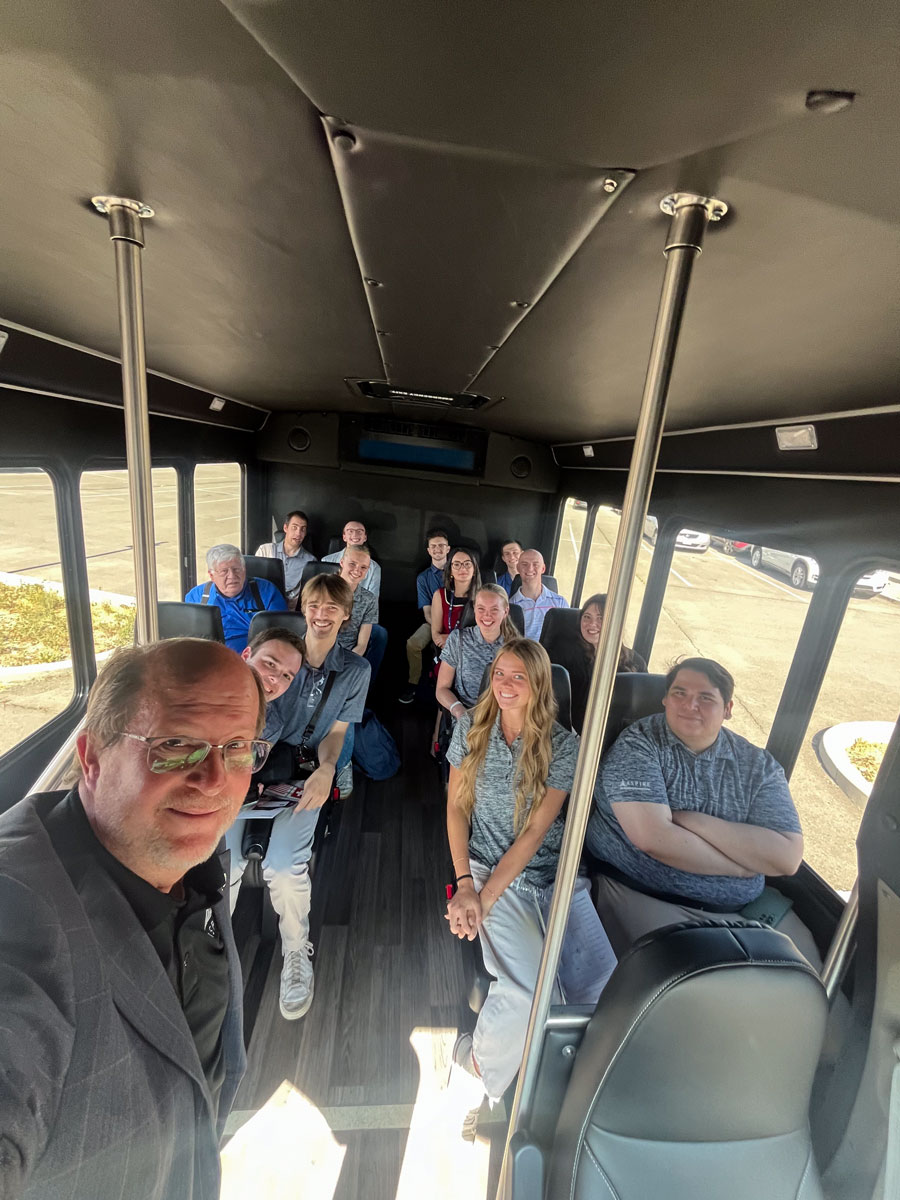
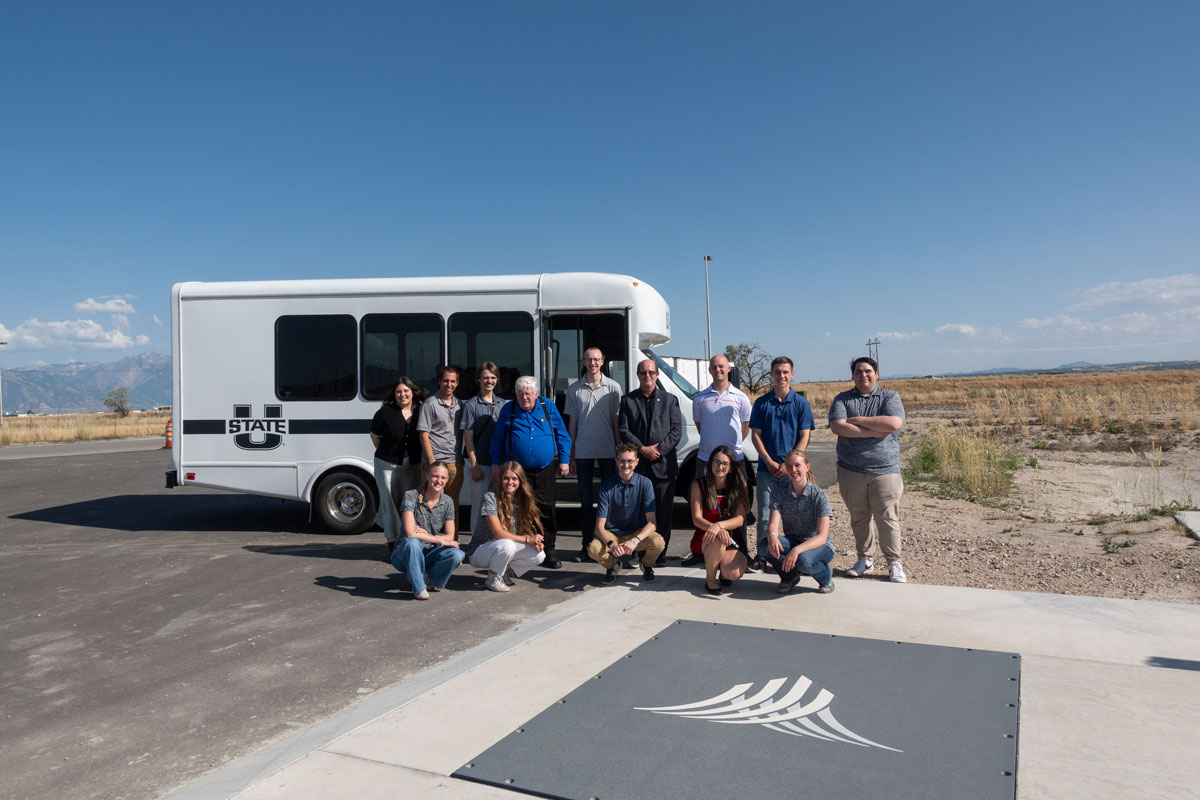
On June 25, a group of Utah State University students from ASPIRE attended an Industry & Innovation Trip. There, students discovered the four main sectors in the industry ecosystem: potential Industry and Innovation Board (IIB) members, government representatives, current IIB members, and key stakeholders.
“Each summer, I bring ASPIRE students on this Industry & Innovation Trip to immerse them in the dynamic ecosystem that connects our research with real-world impact,” said Don Linford, director of innovation. “By engaging directly with industry leaders, government partners, and key stakeholders, students gain a deeper understanding of how their talents and work contribute to a larger network of innovation. These experiences are essential in shaping not only their careers but also the future of electrification and advanced infrastructure.”
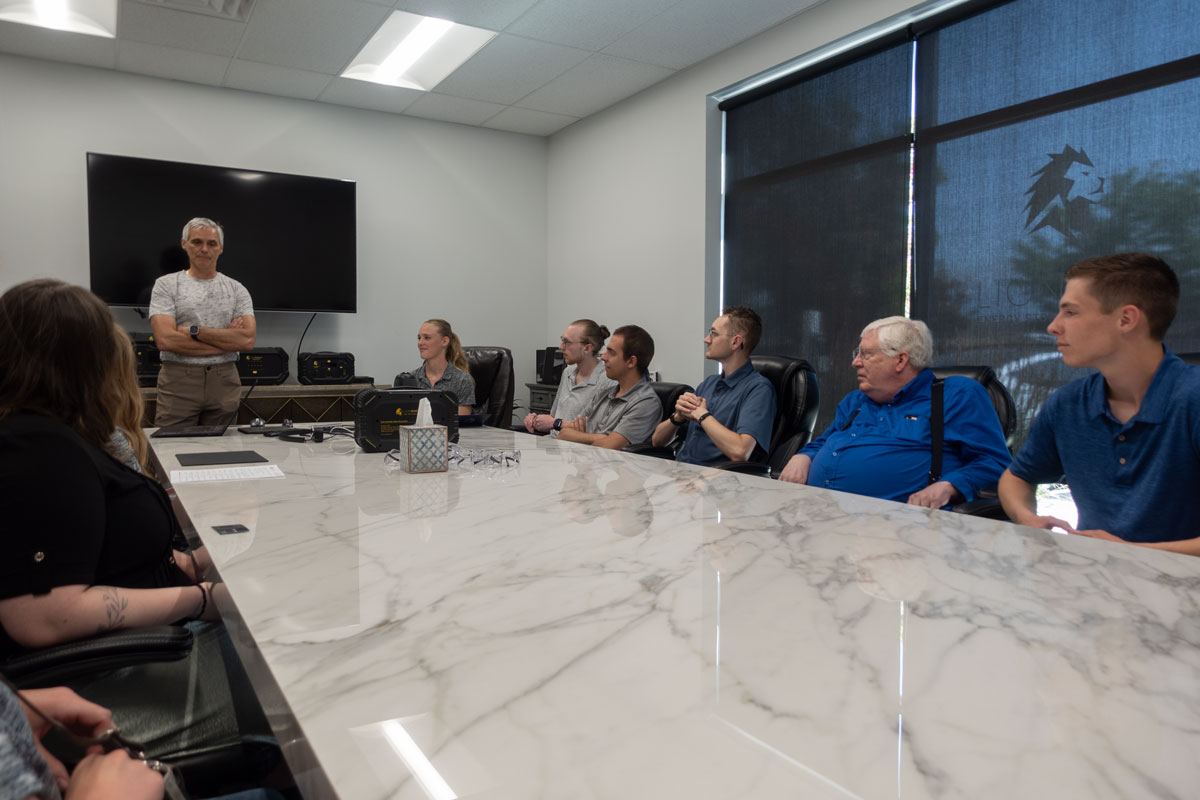
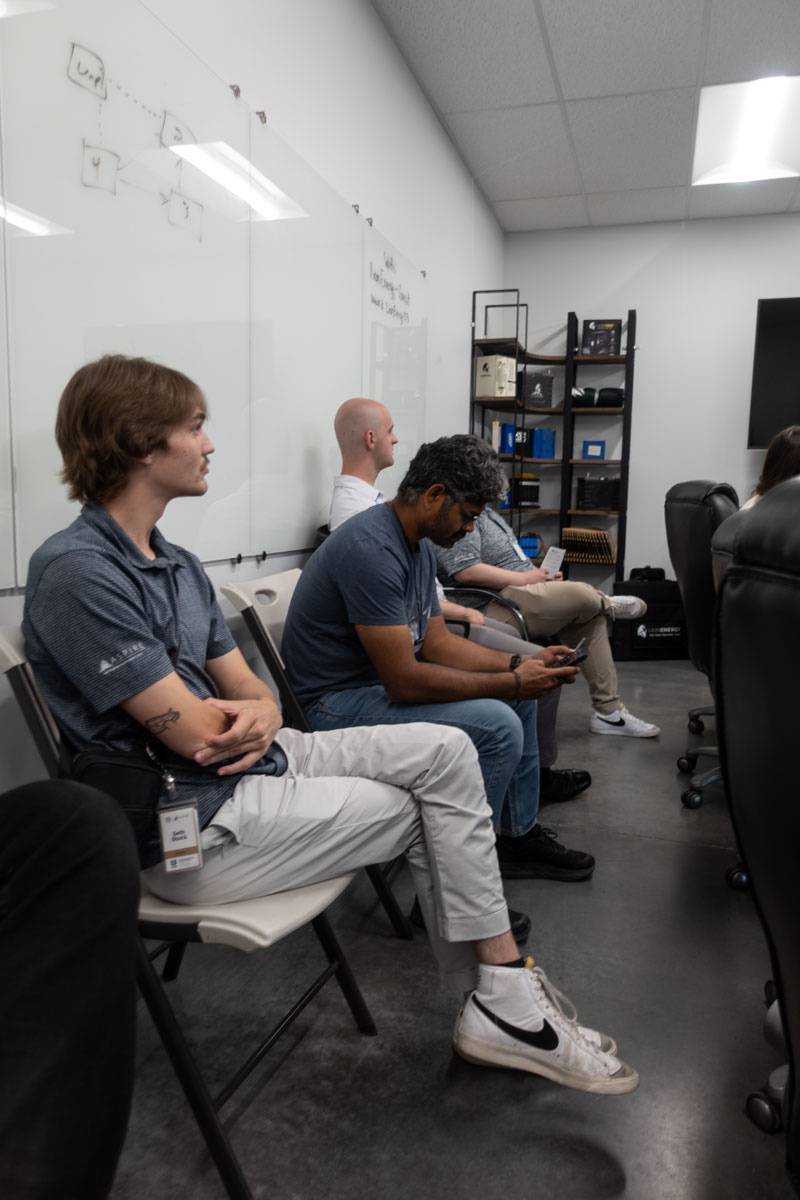
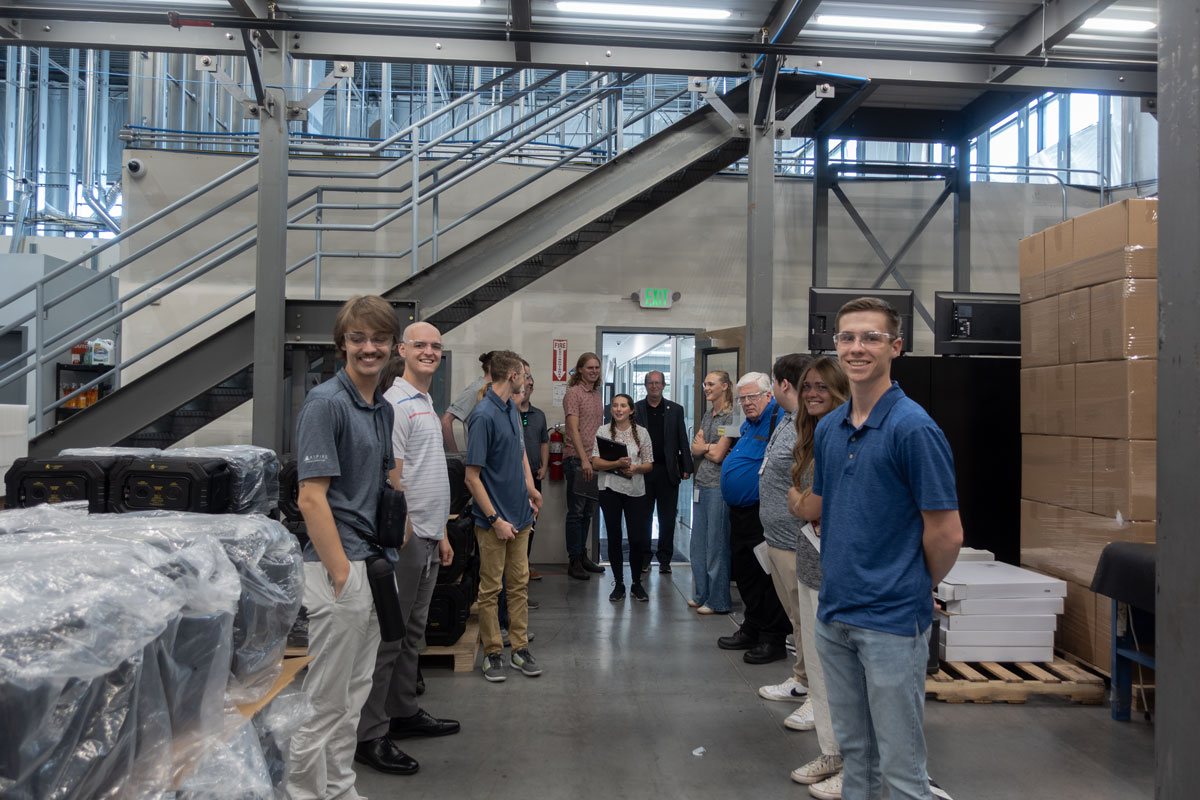
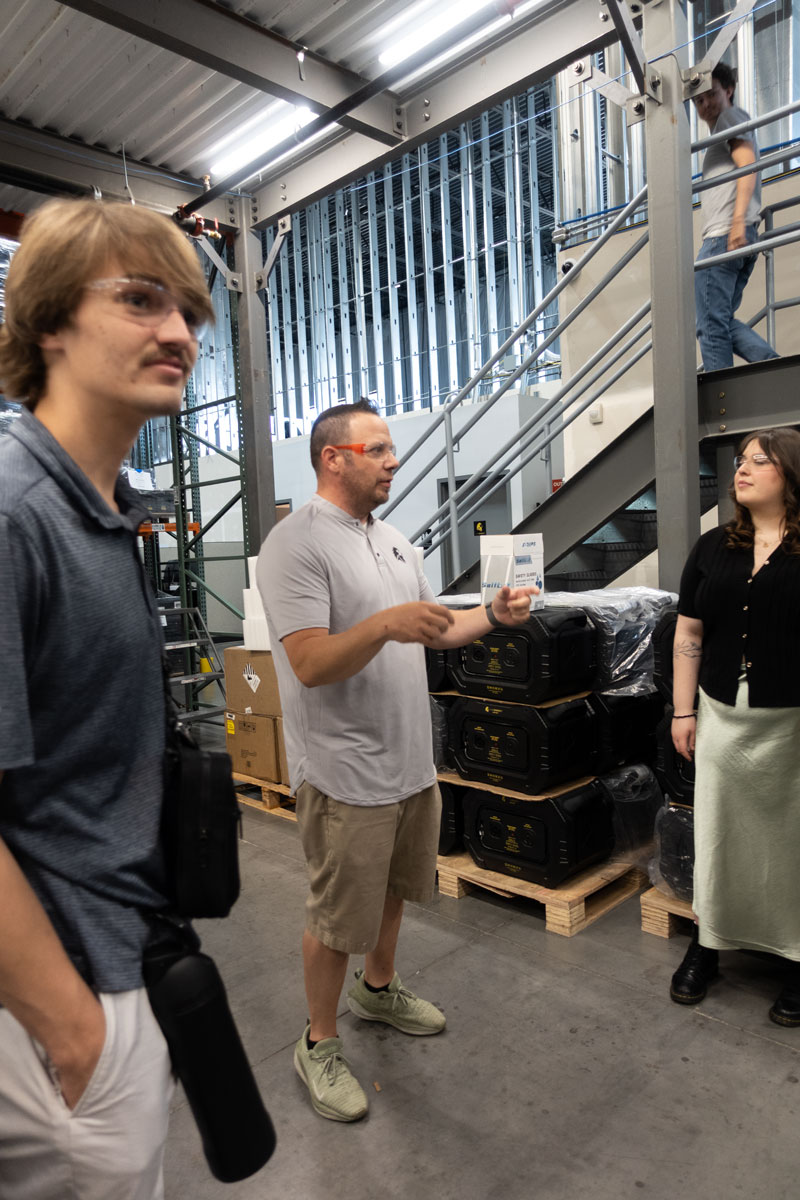
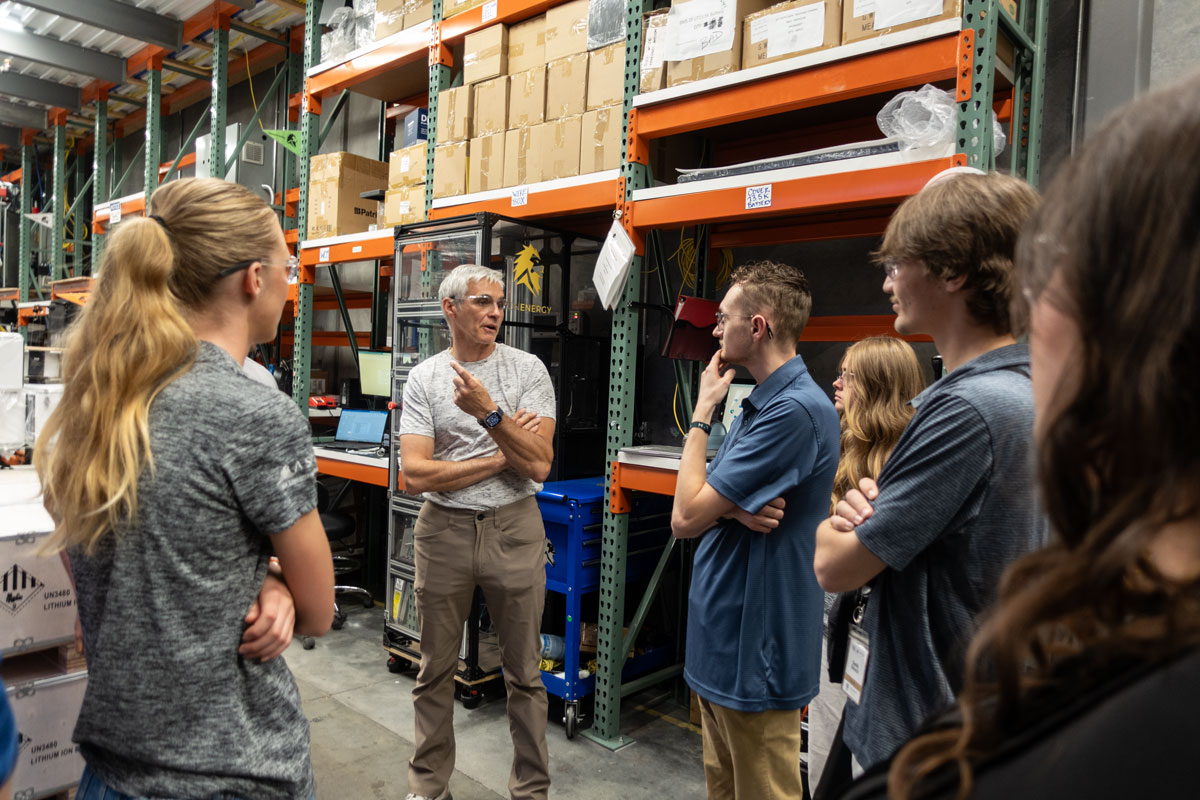
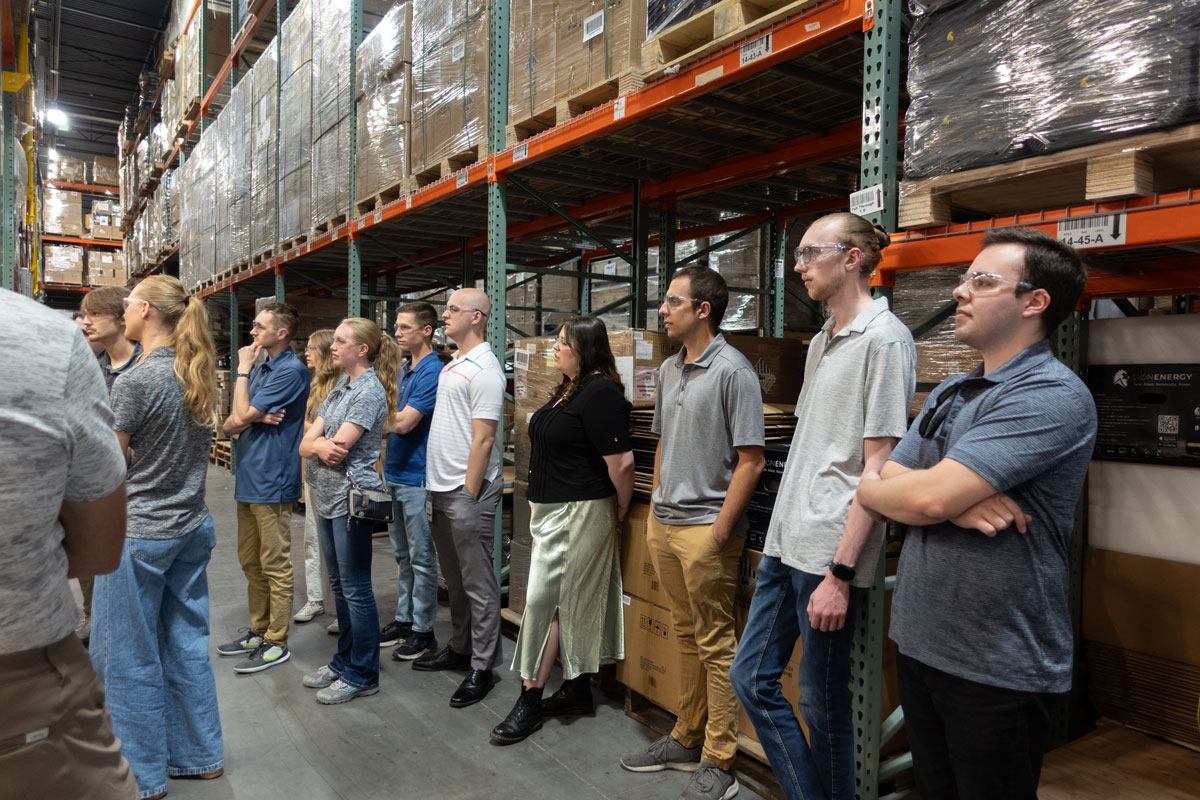
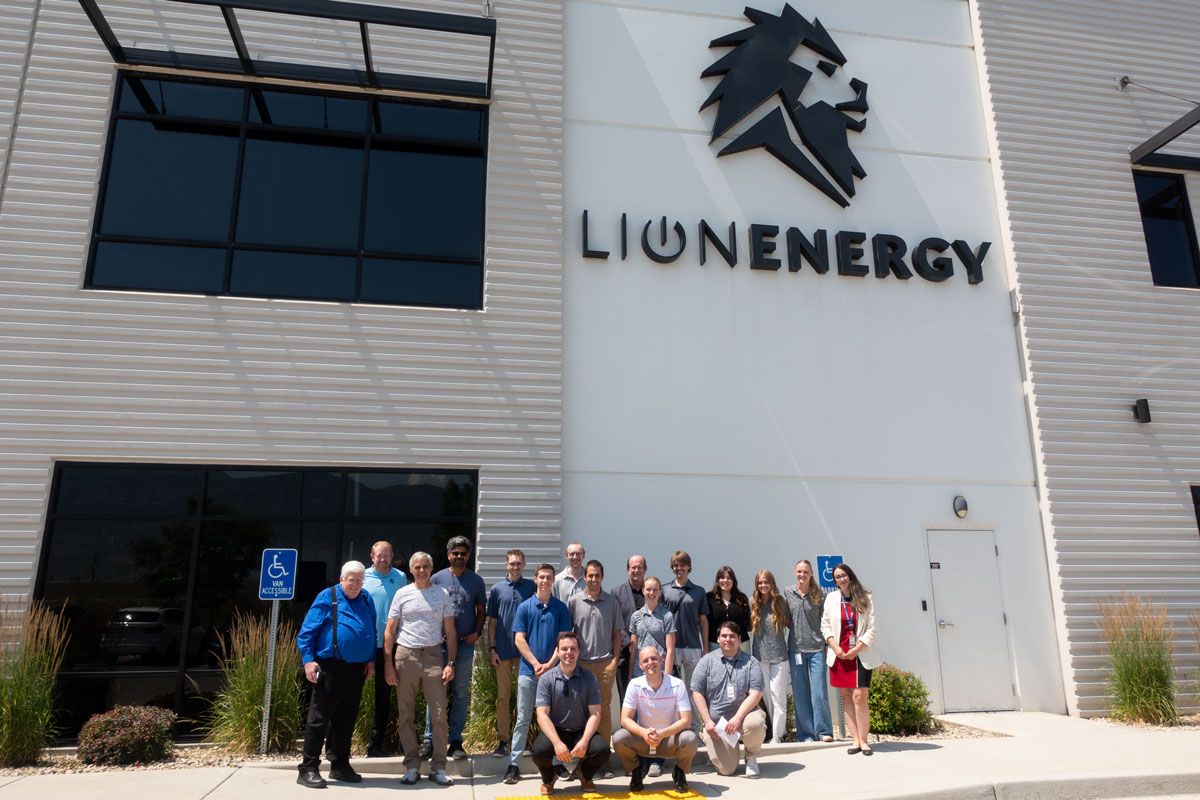
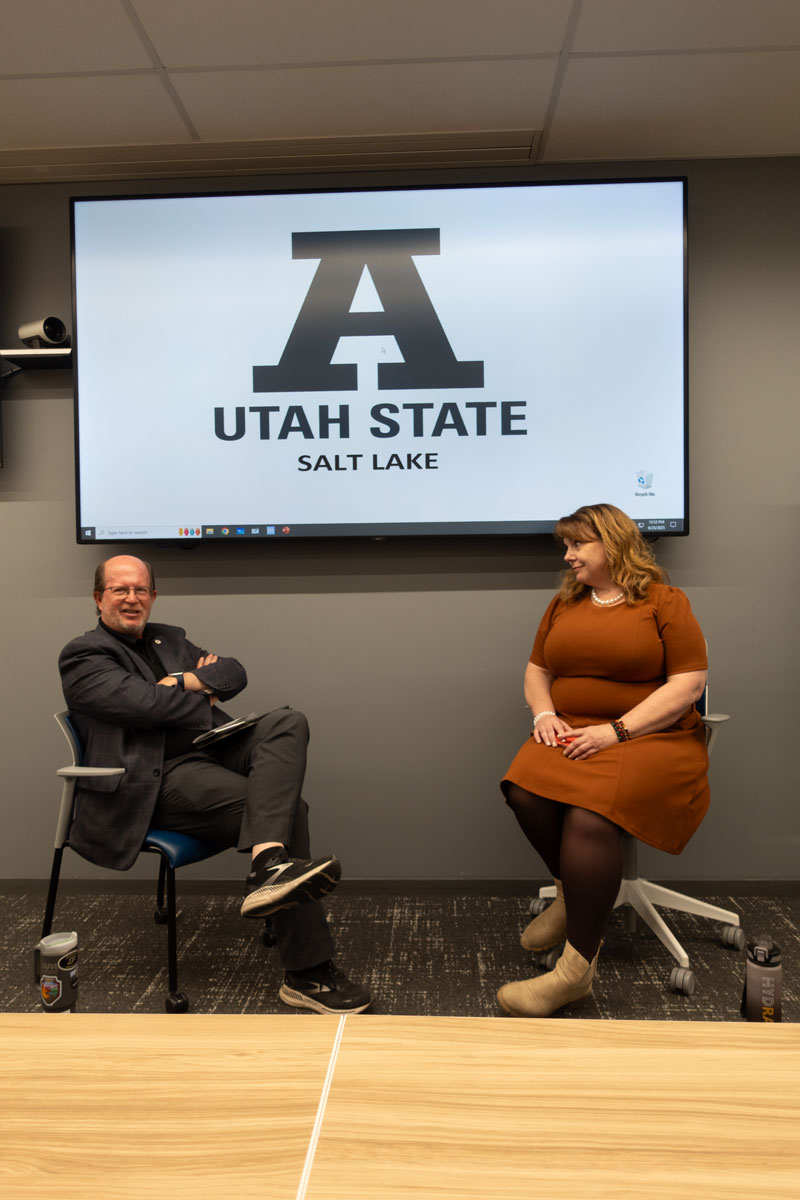
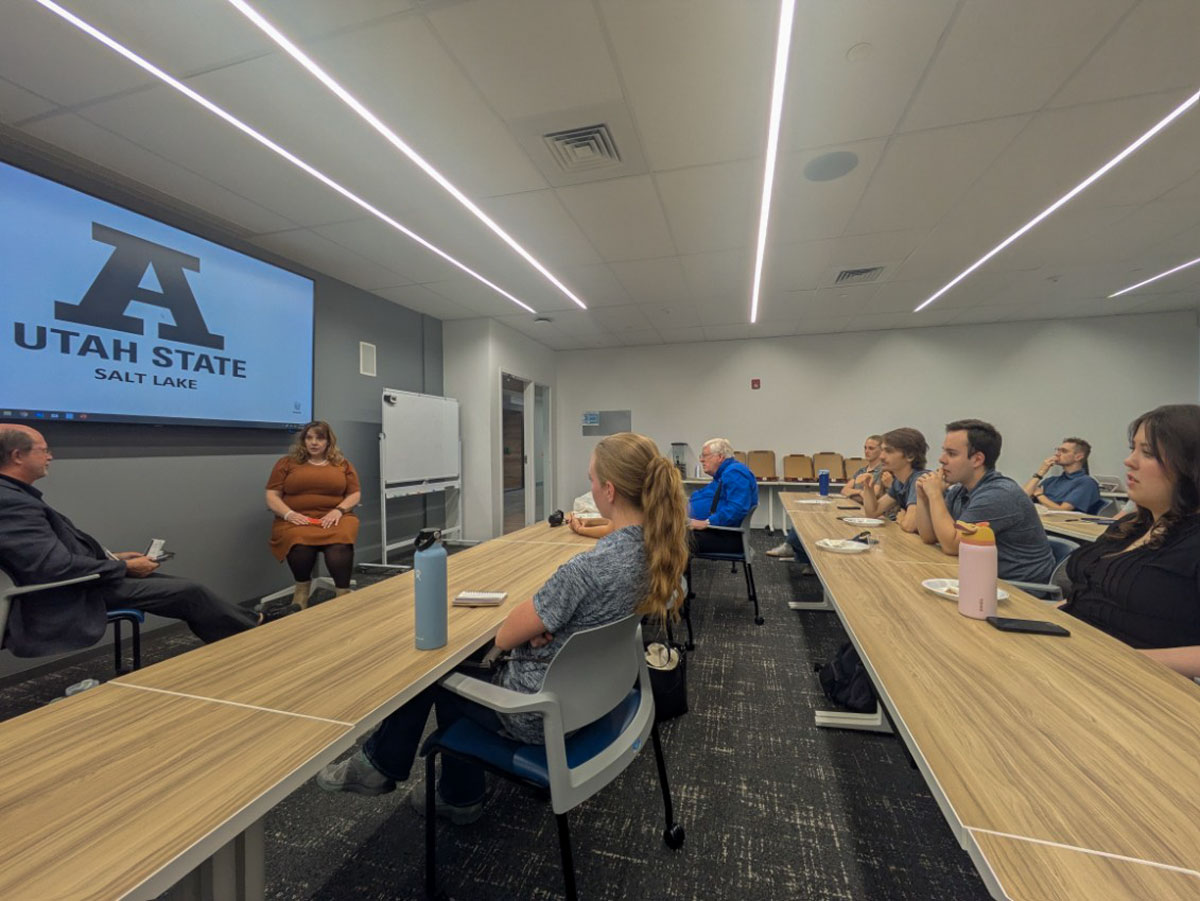
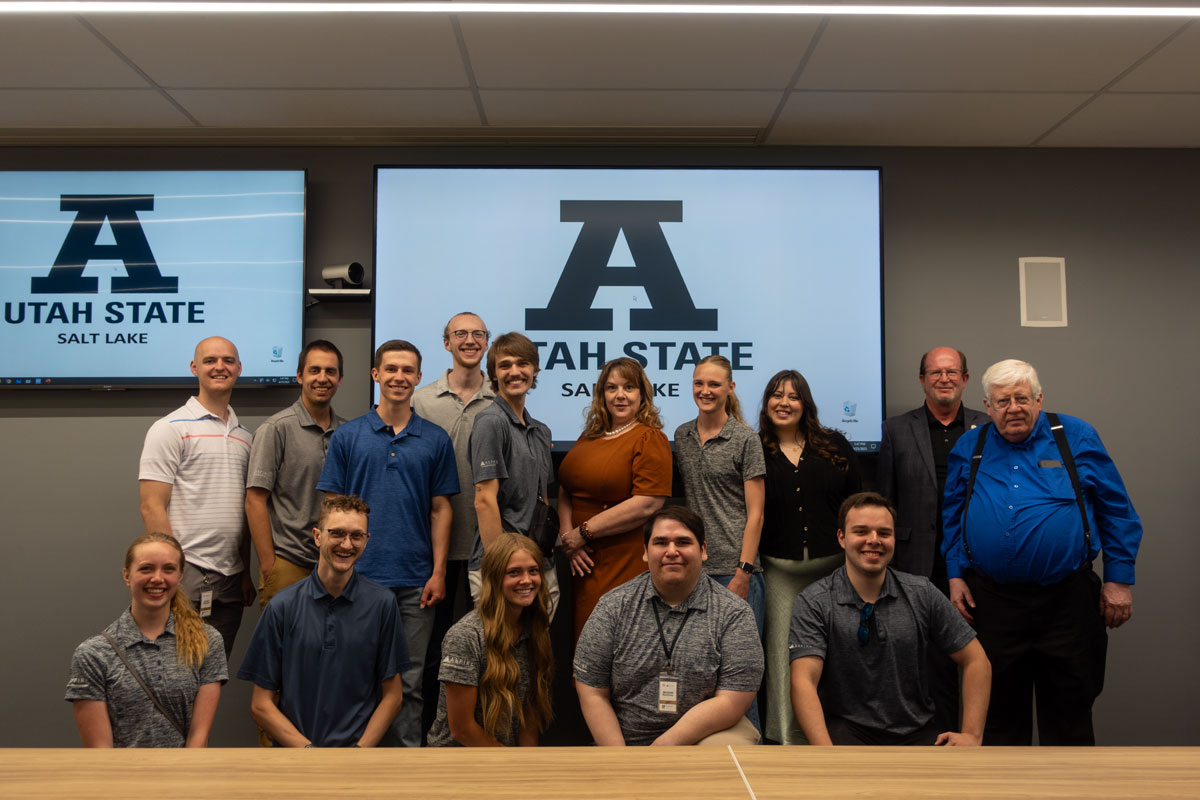
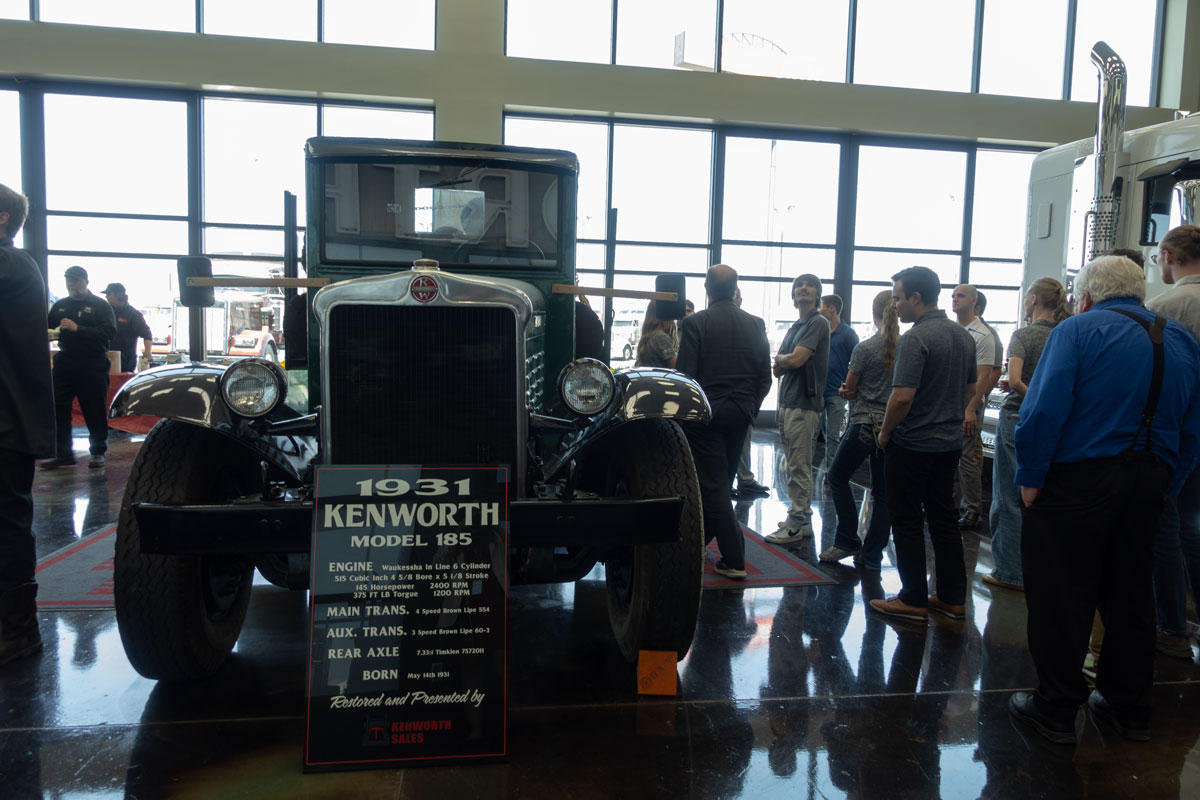
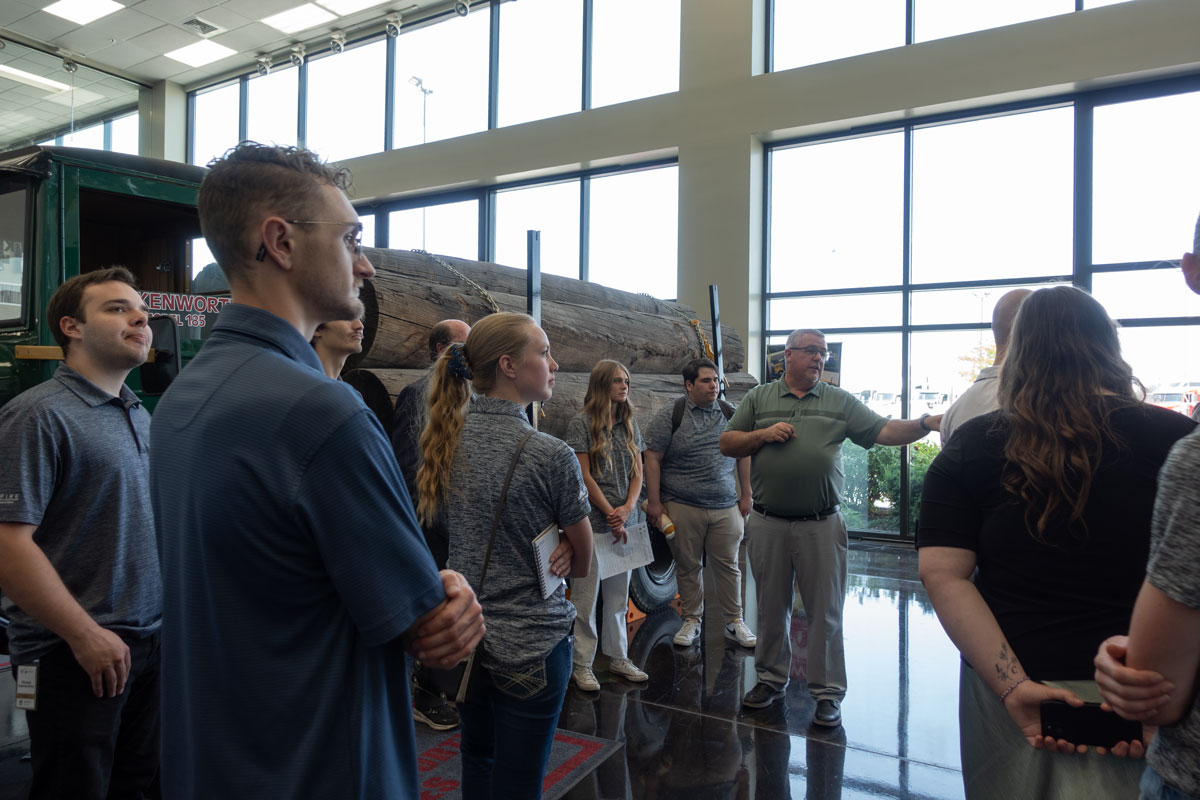
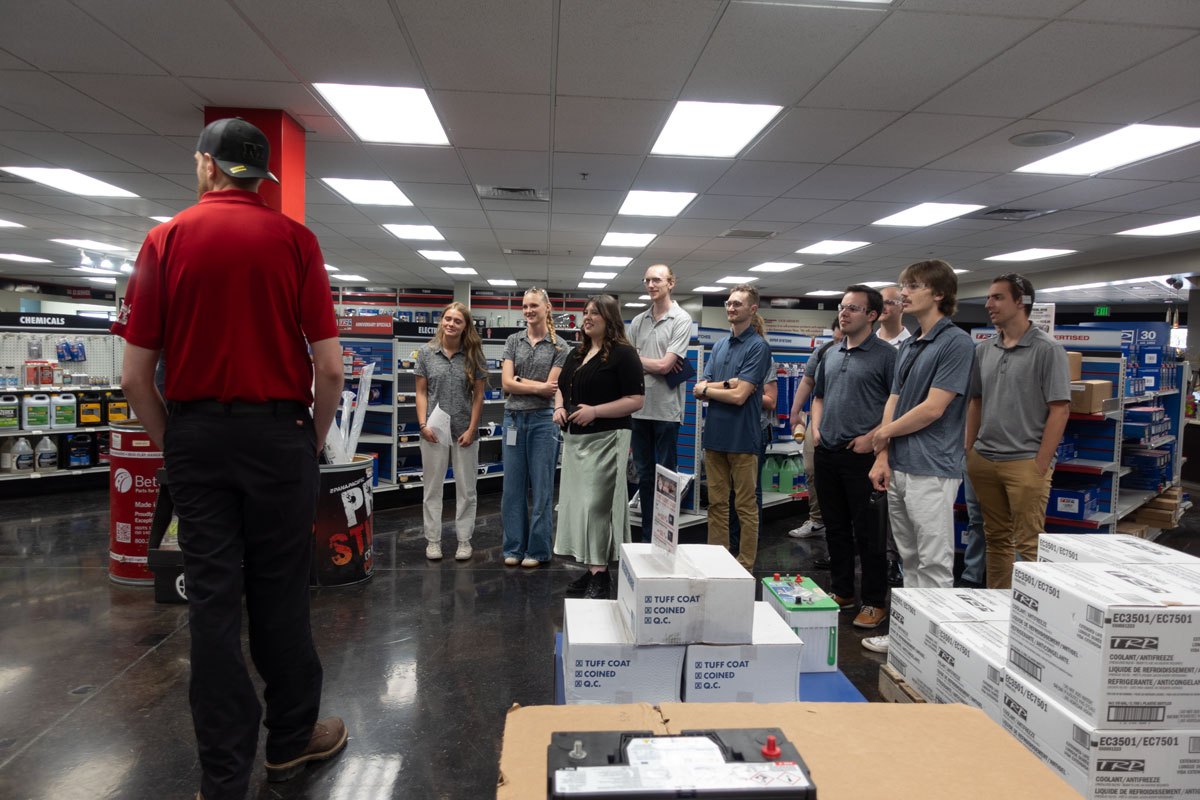
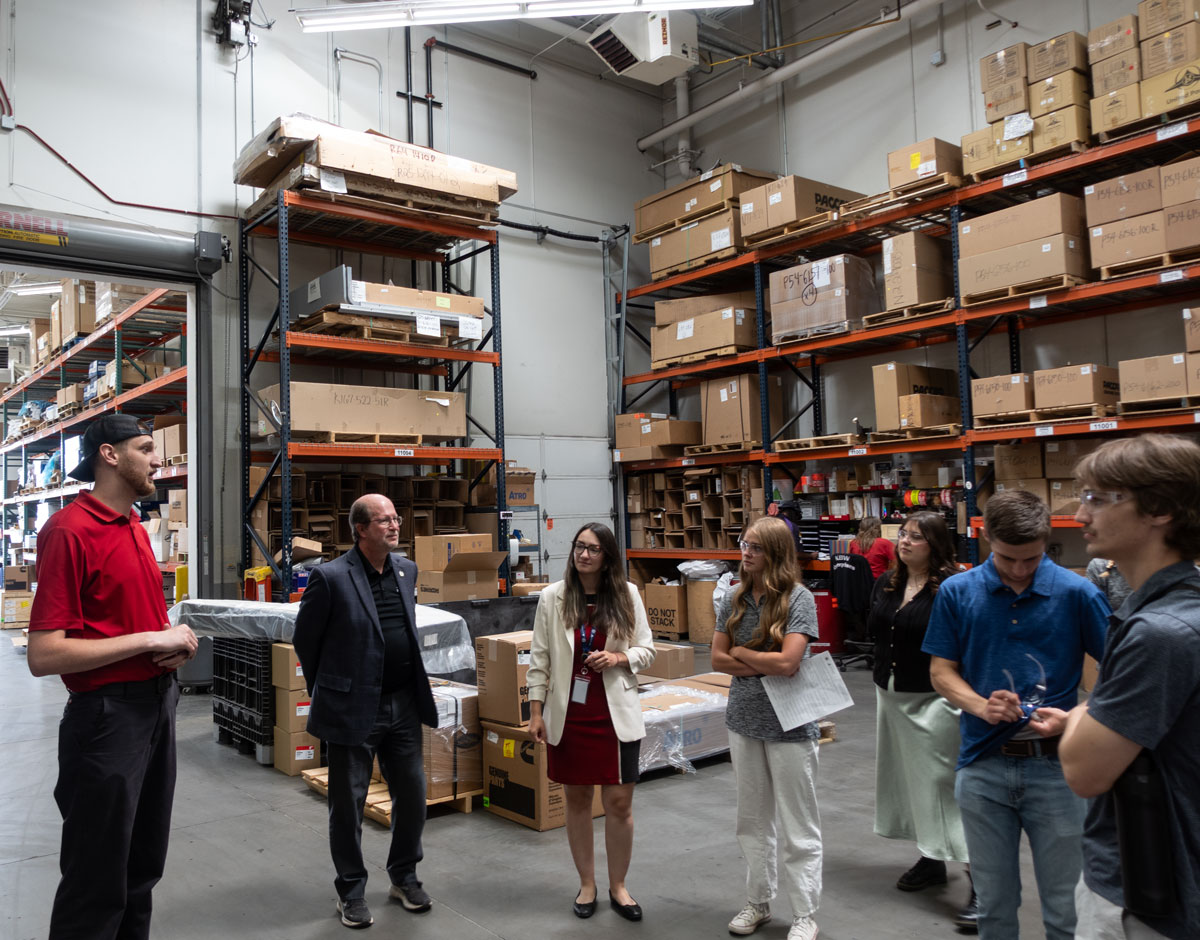
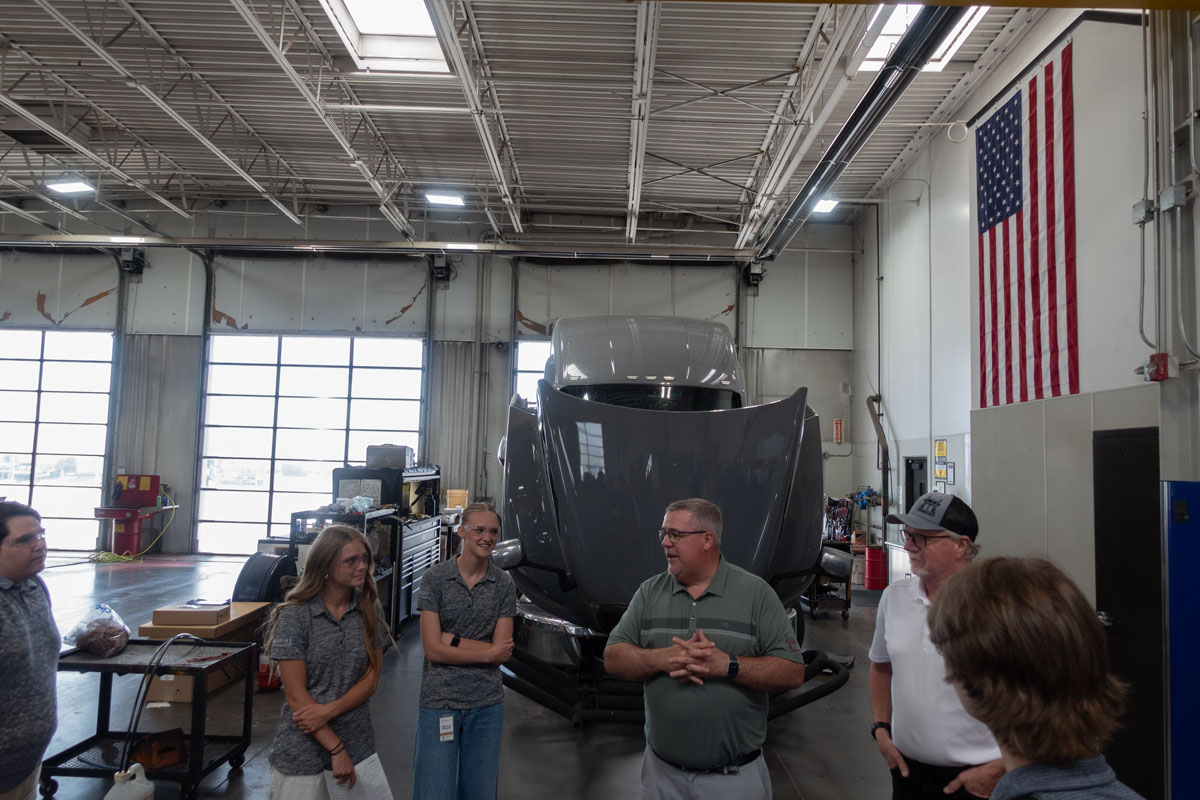
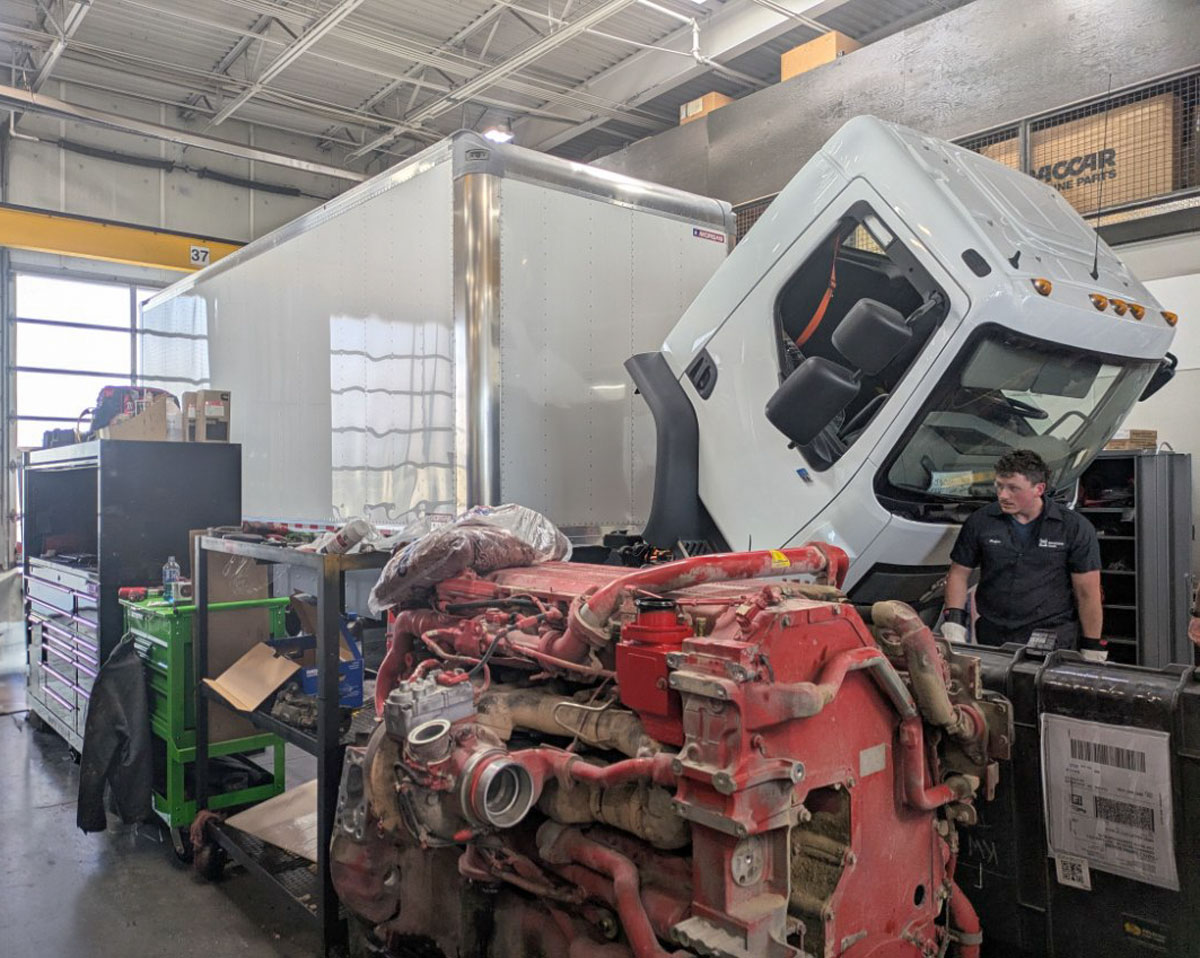
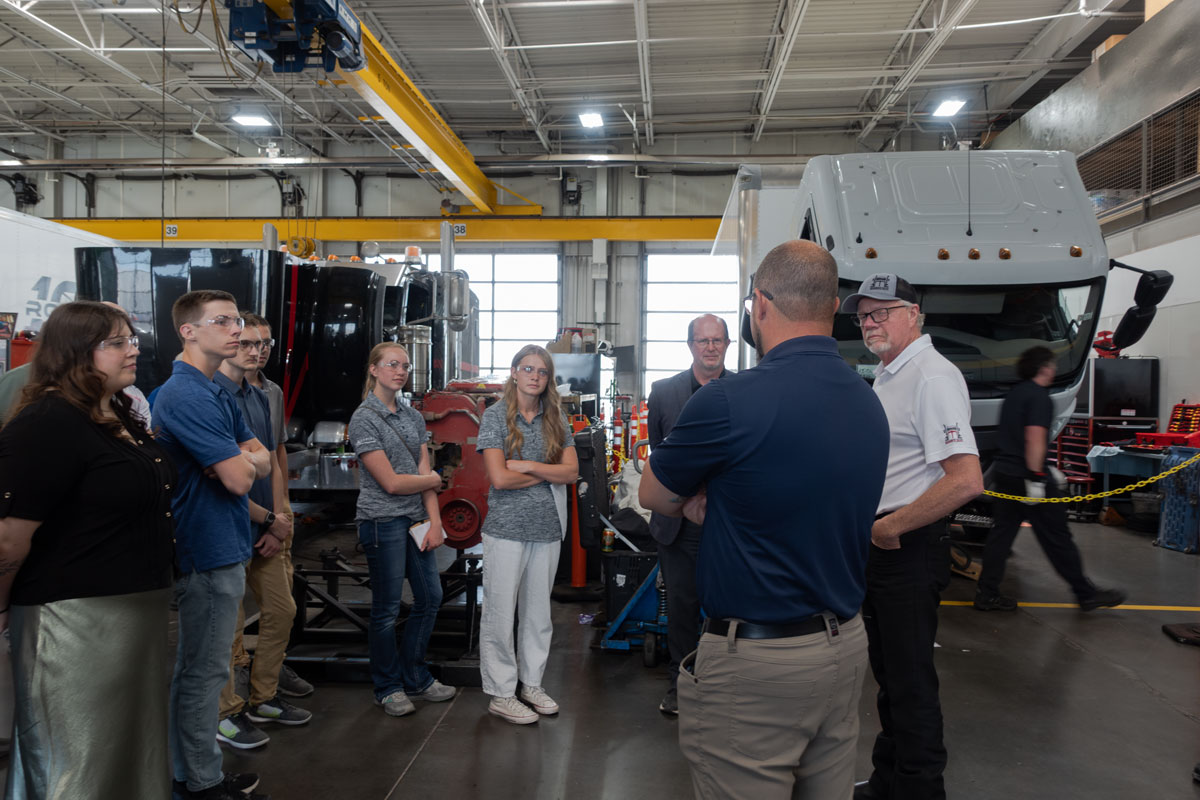
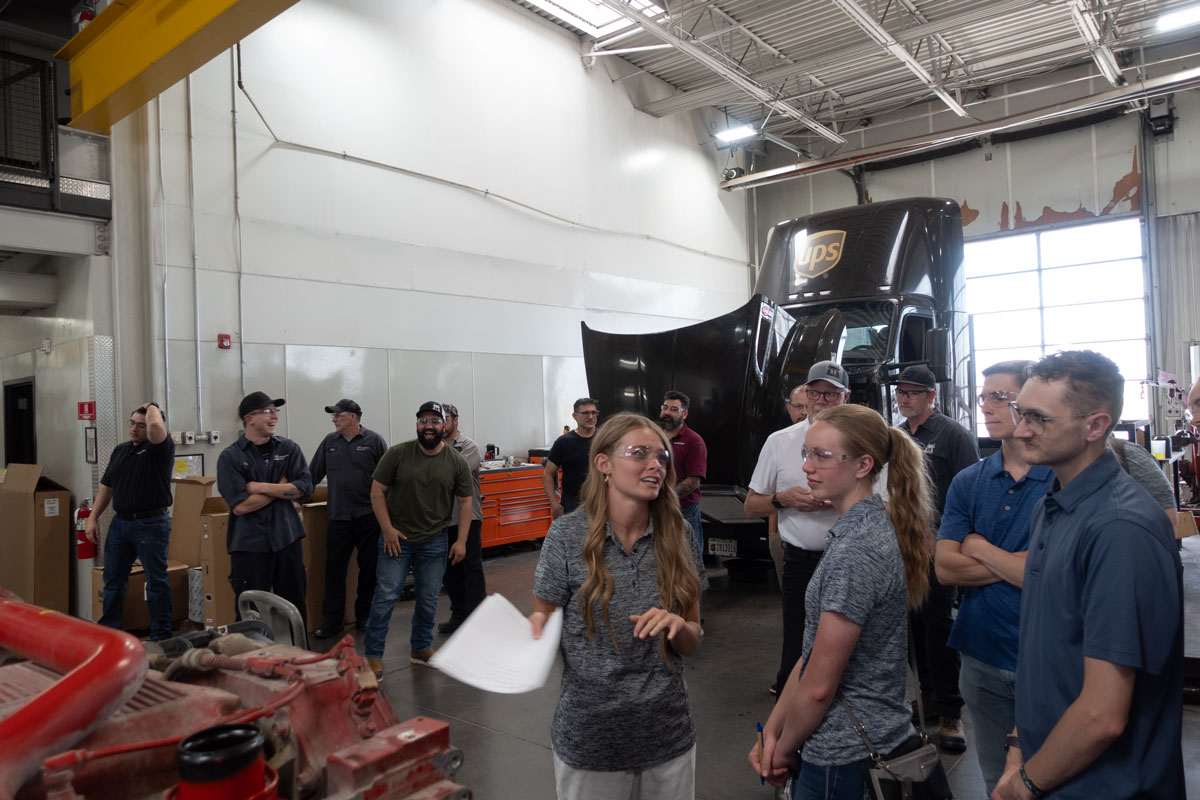
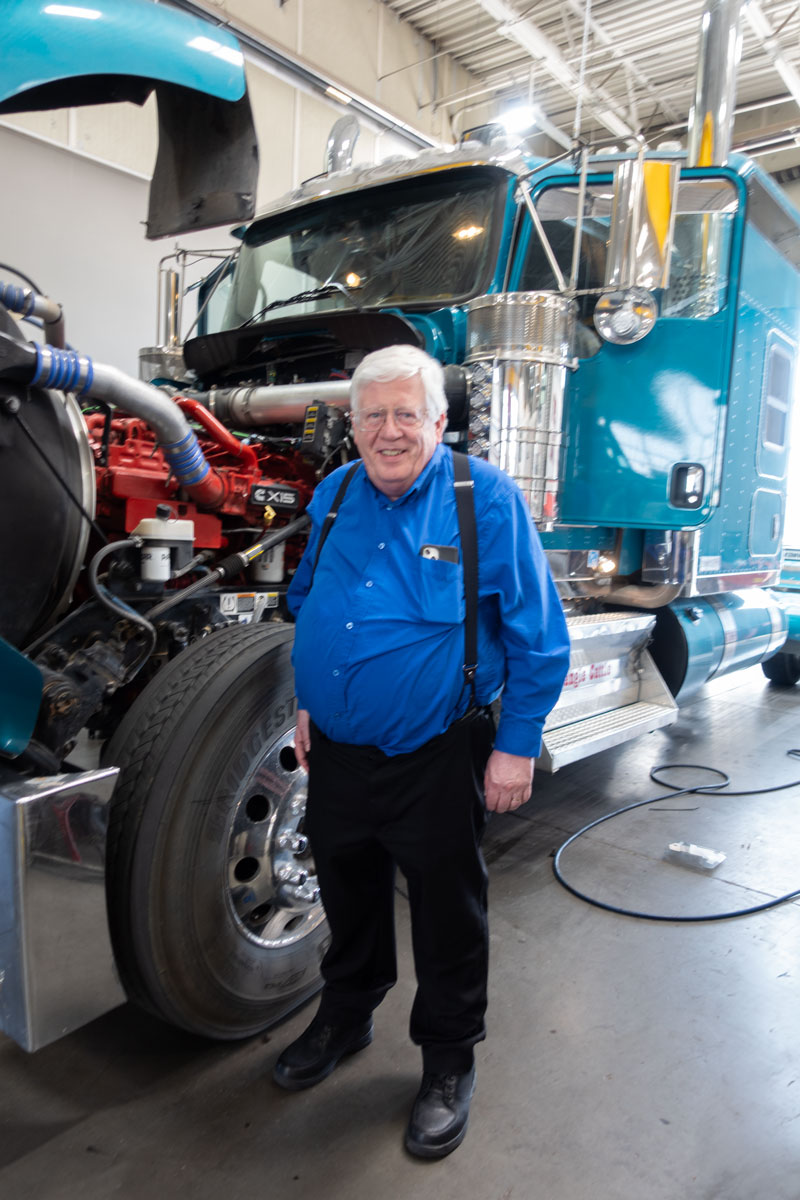
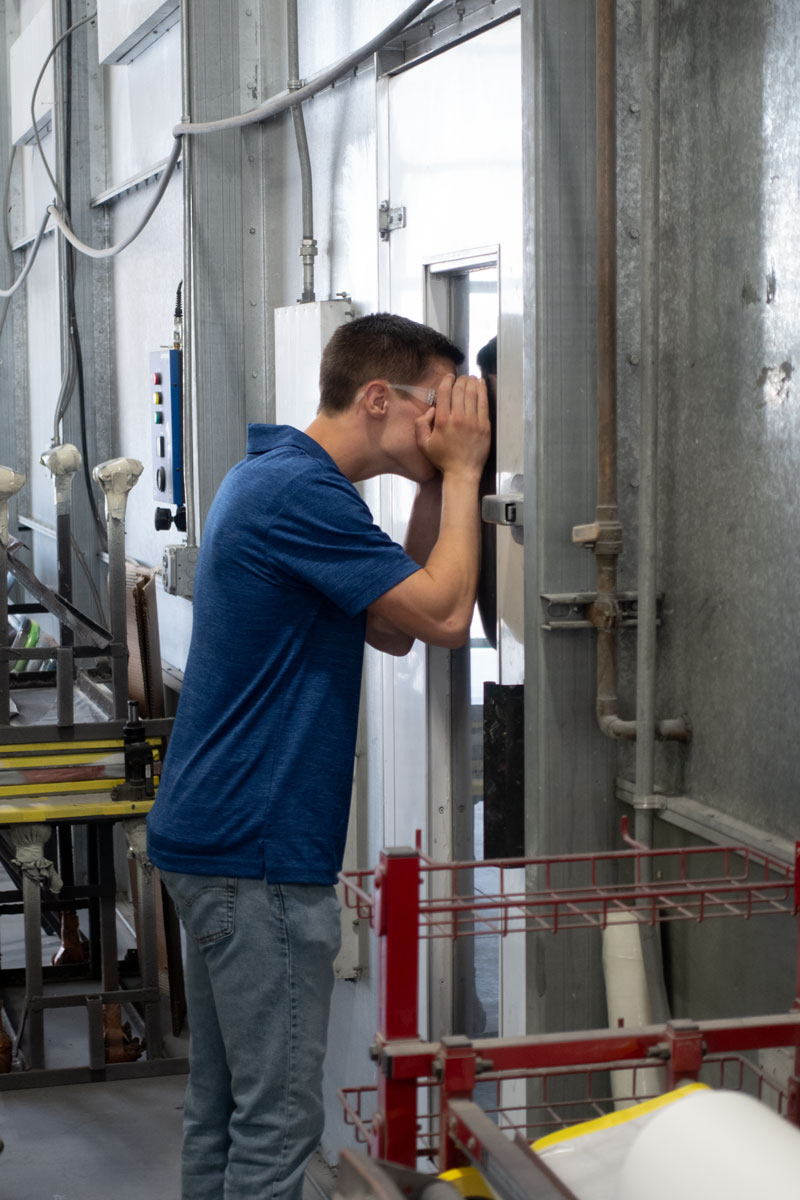
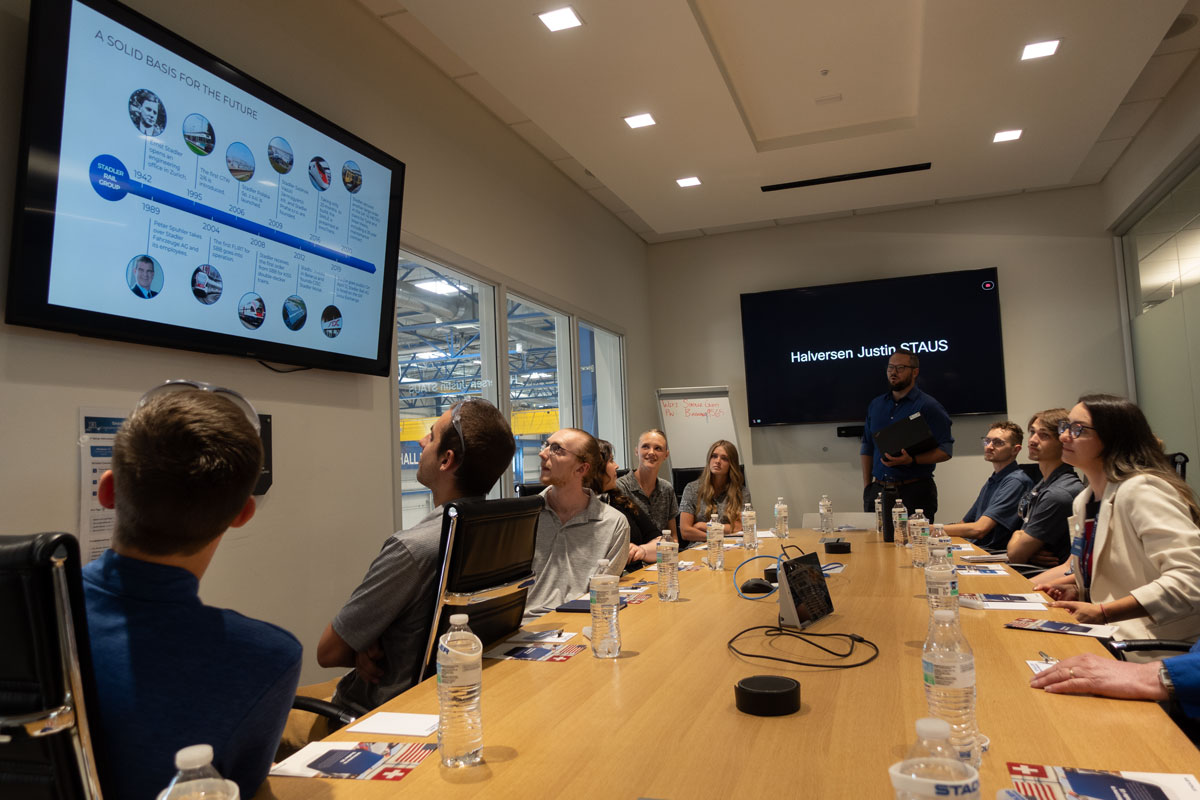
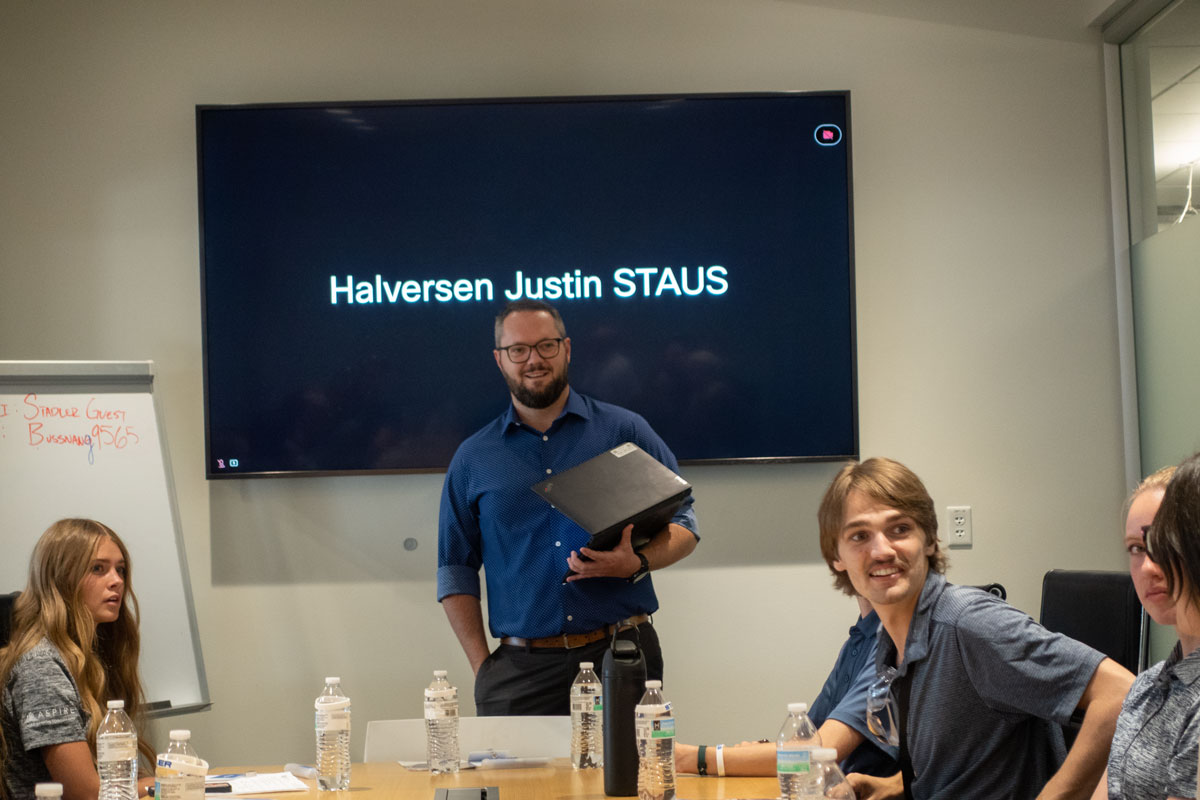
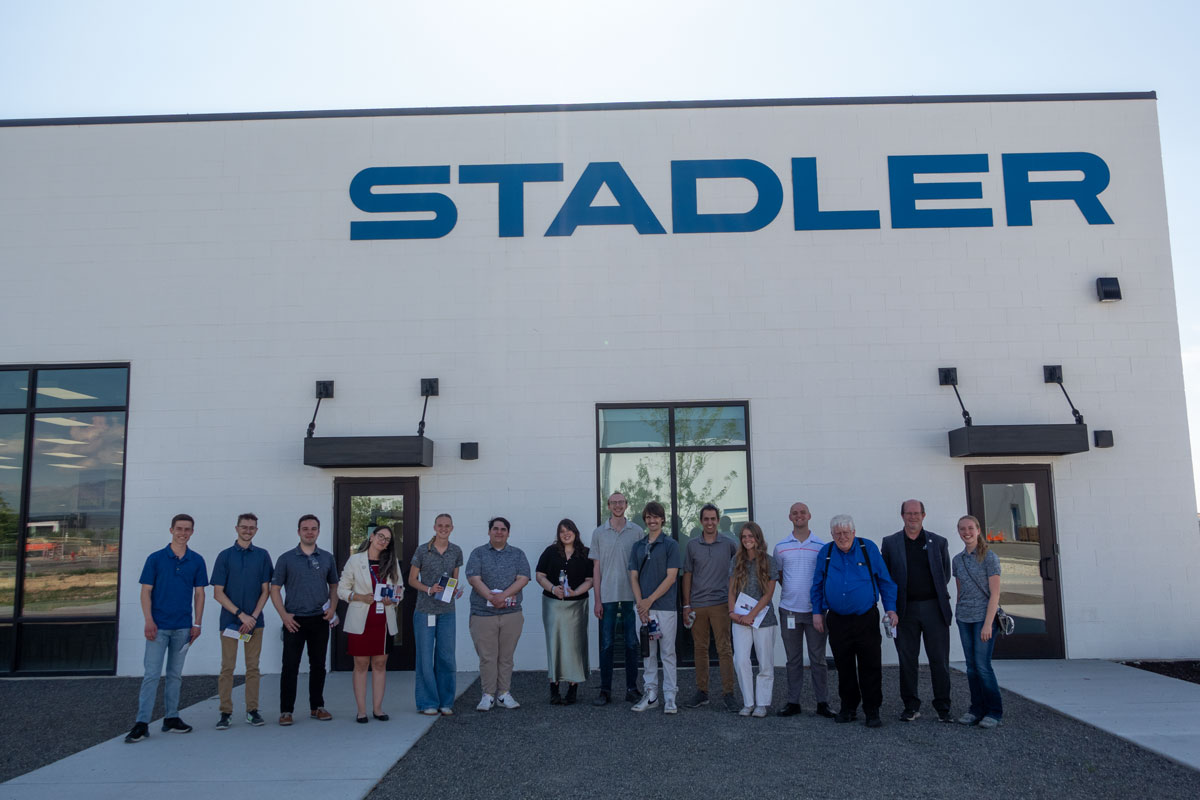
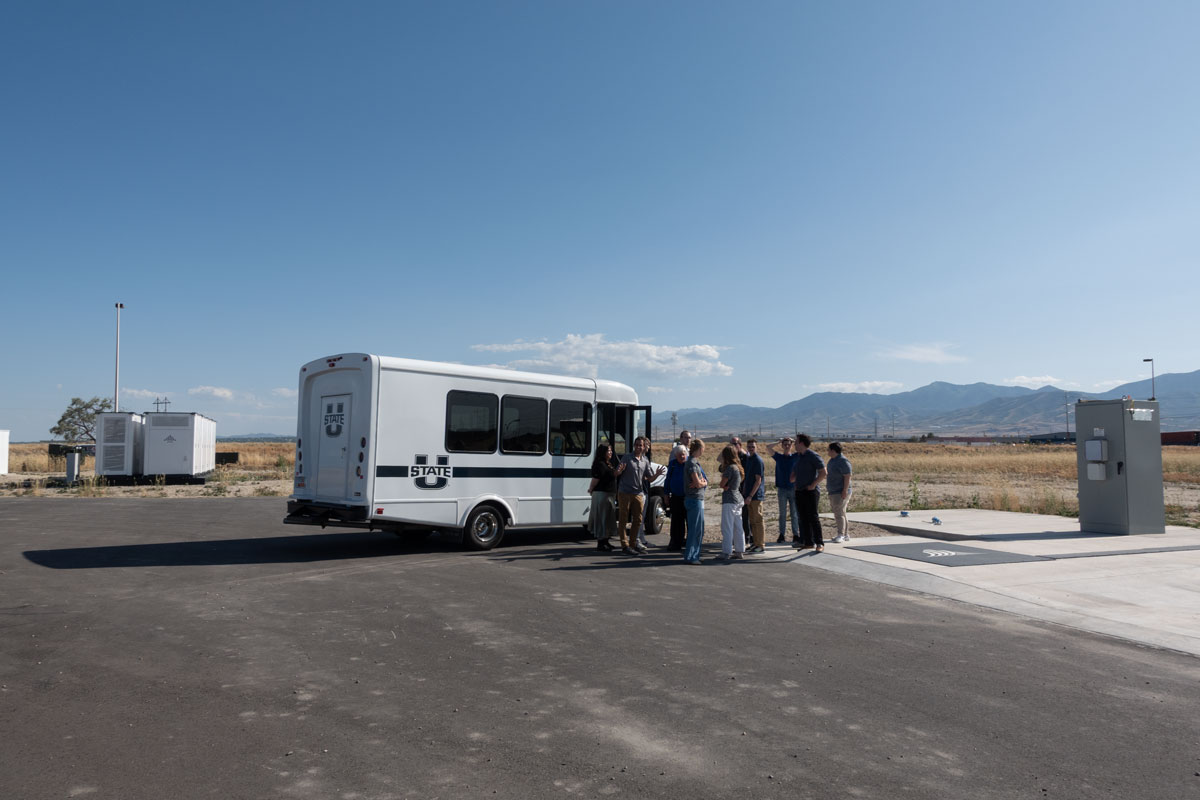
Throughout the trip, students toured Lion Energy, Kenworth Sales Co., and Stadler US, and also participated in a Lunch & Learn event with former Utah legislator and current ASPIRE director of community partnerships Jennifer Seelig. Over the course of the tours and luncheon event, students discovered a wide variety of opportunities available to them.
“My favorite part about the trip was getting exposure to more careers in the industry,” said engineering student Kade Wilson. “It was really cool to see how I can take my career anywhere, just like many of the people we talked to on the tour.”
The wide gamut of opportunity begins for students in the form of internships — a topic explored at each site visit.
“We are very open to internships,” said Thierry Caussat, the chief technology officer at Lion Energy. “Our goal is to spark students’ interest in what we’re doing, bring them on as interns, and ultimately help them build lasting careers with us.”
Exploring the different industries and internship opportunities ultimately informed both students’ future opportunities and their work at ASPIRE.
“Seeing what goes on behind the scenes gave me a deeper appreciation for the challenges and innovations shaping this field. It highlighted how ASPIRE’s work fits into the larger industry ecosystem,” said undergraduate innovation analyst Annie Walpole. “I came away not only with a stronger sense of how critical our research is, but also how vital our relationships with industry partners are in advancing electrification and driving real-world impact. These connections are central to ASPIRE’s success.”
With this glimpse into the mosaic of the industry ecosystem, students gained a greater appreciation for and understanding of the important work taking place at ASPIRE.
To learn more about this tour, view additional details here. For students interested in internships, please contact Don Linford.
About ASPIRE & Utah Electrification:
Headquartered at Utah State University, ASPIRE is a National Science Foundation Engineering Research Center. ASPIRE has demonstrated expertise in developing, implementing, and managing a range of electric vehicle (EV) infrastructure projects and fostering strong partnerships across the EV charging ecosystem. The center integrates multidisciplinary expertise across electrical, civil, and mechanical engineering, as well as economics, marketing, and policy. In 2023, ASPIRE was designated the lead institution in building Utah’s Intelligent Electrified Transportation Plan. More information on the center can be found at aspire.usu.edu, and more on Utah’s electrification efforts can be found at utahelectrification.com.
Contacts:
Thierry Caussat
Chief Technology Officer
Lion Energy
Don Linford
Director of Innovation
ASPIRE ERC
Writer:
Kayleigh Kearsley
Marketing & Communications Intern
ASPIRE ERC