October ’26 ASPIRE Student Section
Back-to-School Activities
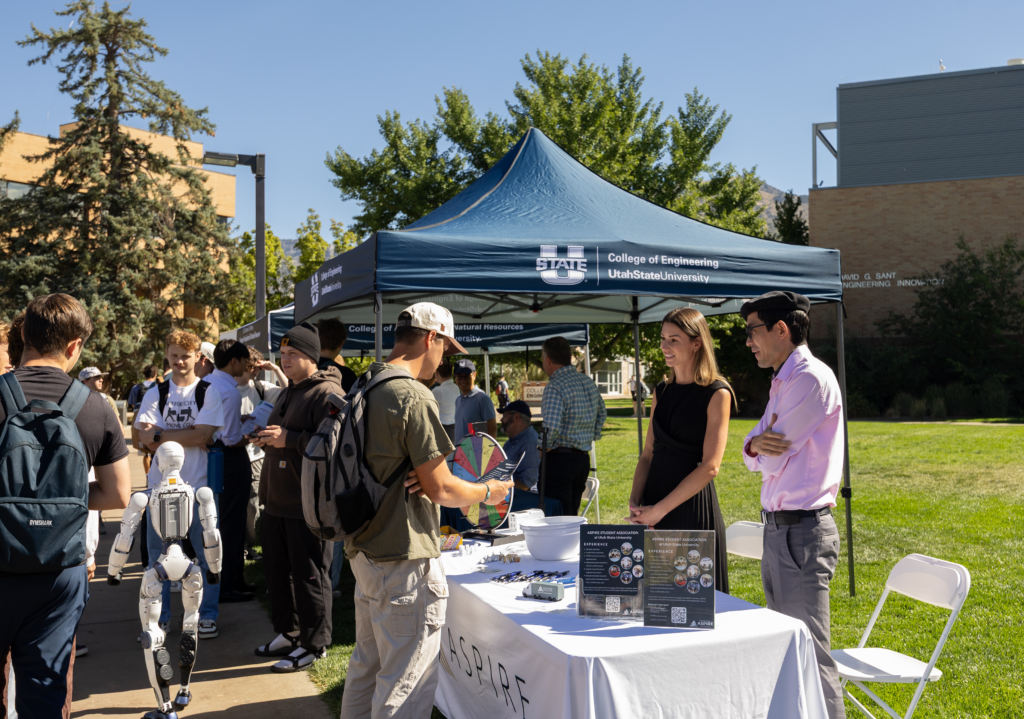
At the Utah State University’s Undergraduate Research Fair, students met one of ASPIRE’s researchers, Bridger Porter, to discuss his first-hand experiences at ASPIRE, played a Spin & Win game, and interacted with a research robot.
During Utah State University’s Day on the Quad, students learned about ASPIRE by partaking in a Spin & Win game by answering questions about electrified transportation and testing their knowledge for a chance to win a small prize, and chatted with researchers and USU ASA leadership.
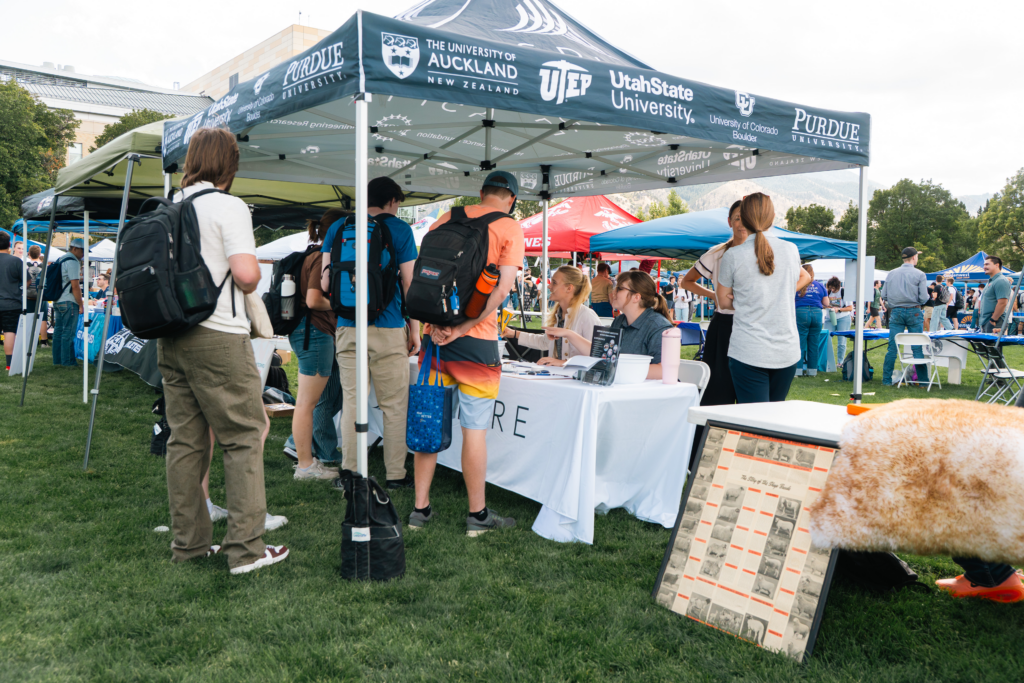
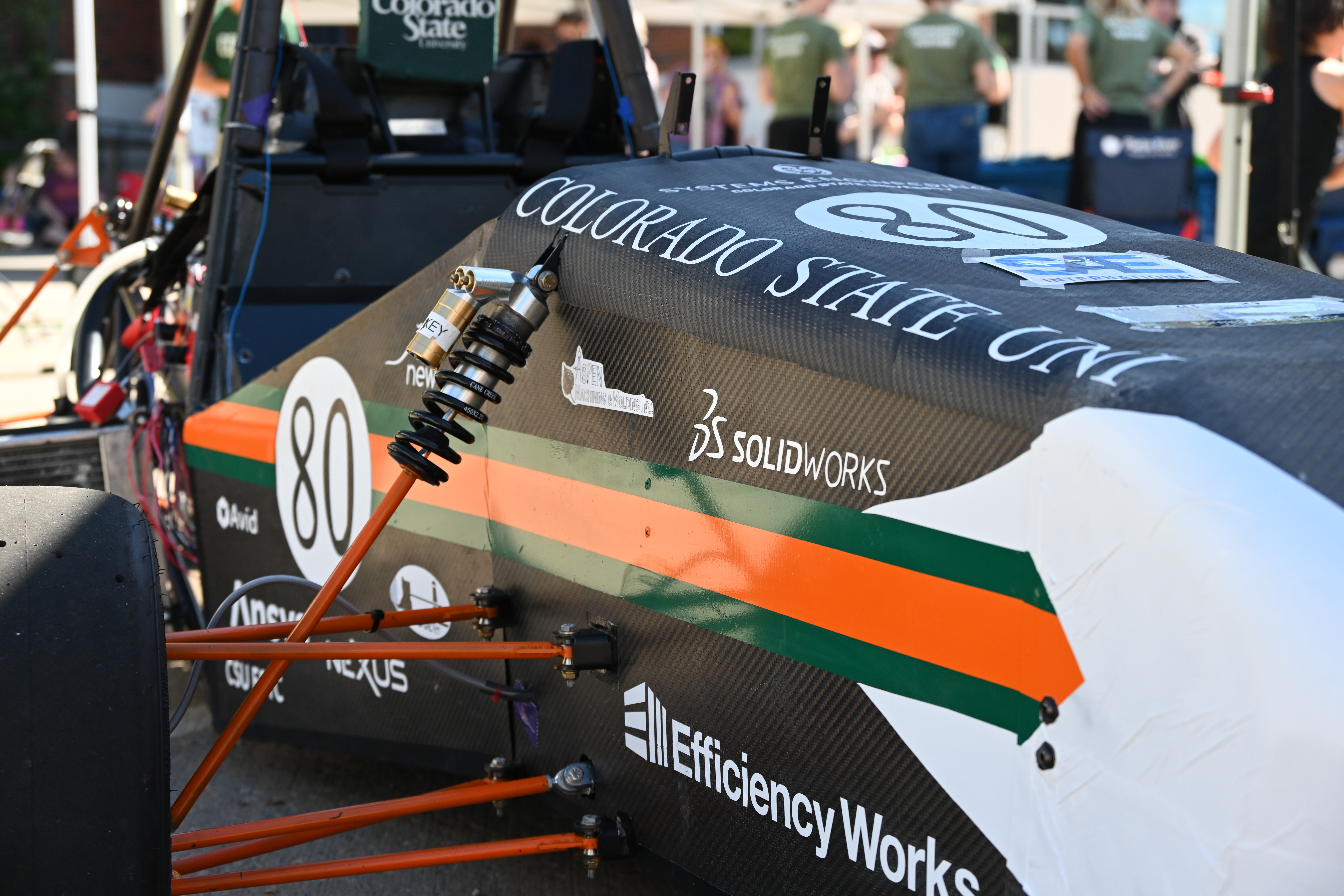
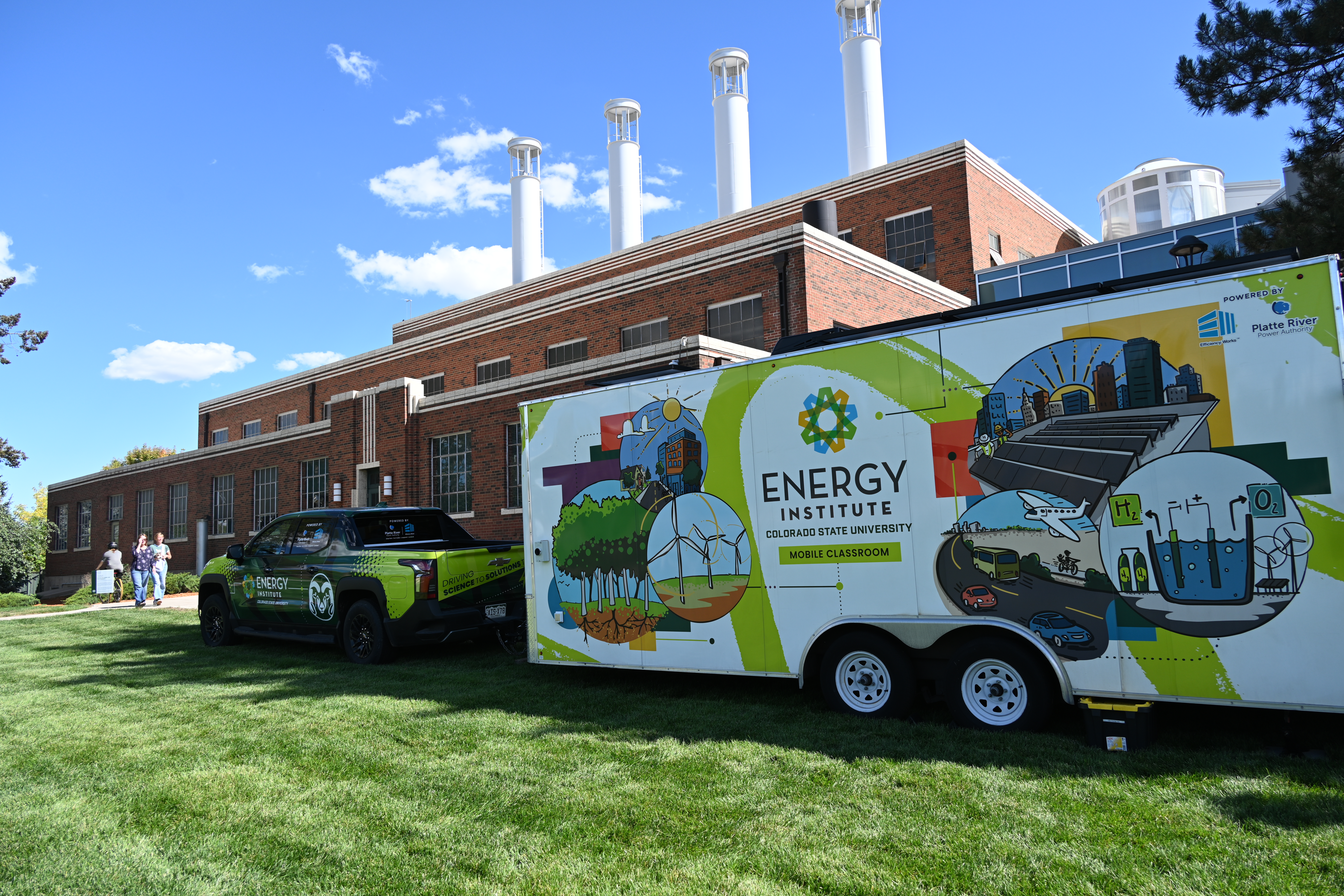
At Colorado State University’s Energy Fest, community members explored carbon and energy research with Powerhouse tours, CSU’s Energy Institute mobile classroom, hands-on STEM activities, face painting, and electric vehicle test drives.
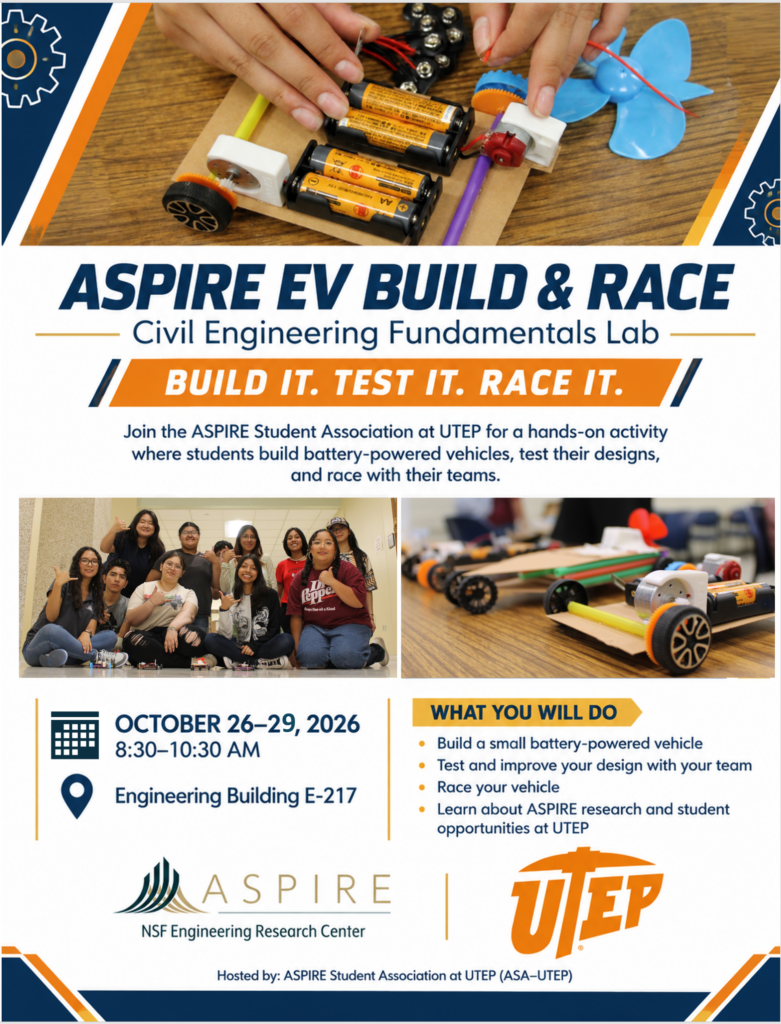
Join the University of Texas at El Paso’s ASPIRE Student Association (ASA) October 26-29 for the first event of the year to build, race, and test electrical vehicles!
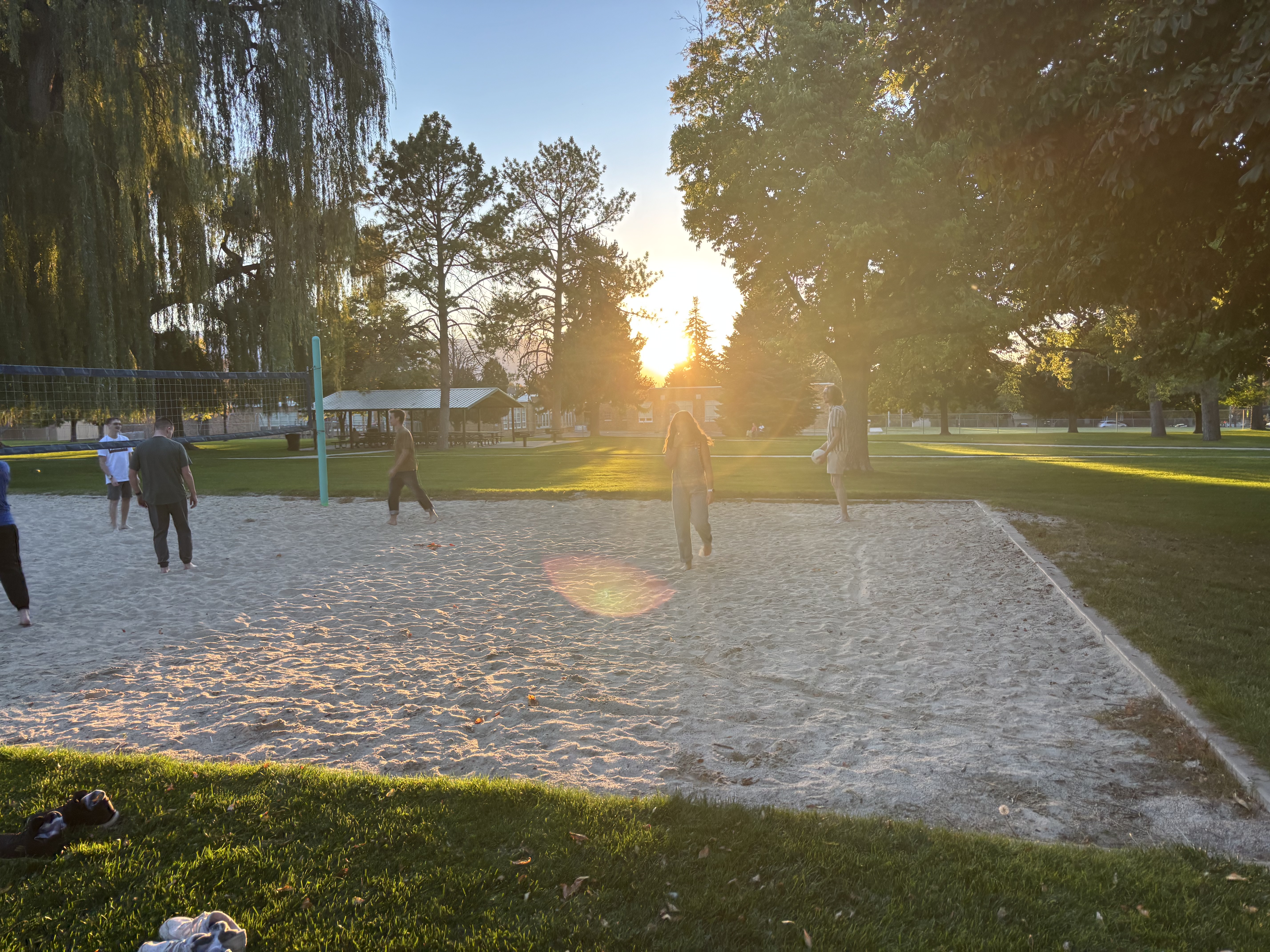
Utah State University’s ASA hosted its first event of the year on October 7, bringing students together to meet new members, build connections, and strengthen teamwork while playing volleyball.
Looking for a creative study break? Join USU ASA for a Bob Ross Painting Night on Wednesday, November 4, at 7:00 p.m. in the ASPIRE EVR Conference and Break Room. Students are invited to paint an engineering project, personal hobby, or anything else that inspires them. No engineering experience required!
Treats will be provided. To RSVP or ask questions, email aspire.ASA@aggies.usu.edu.
Reach out to your ASPIRE Campus Director and ASA leadership members for any upcoming events at your campus!
Conference & Internship Opportunities
Utah Energy Conference
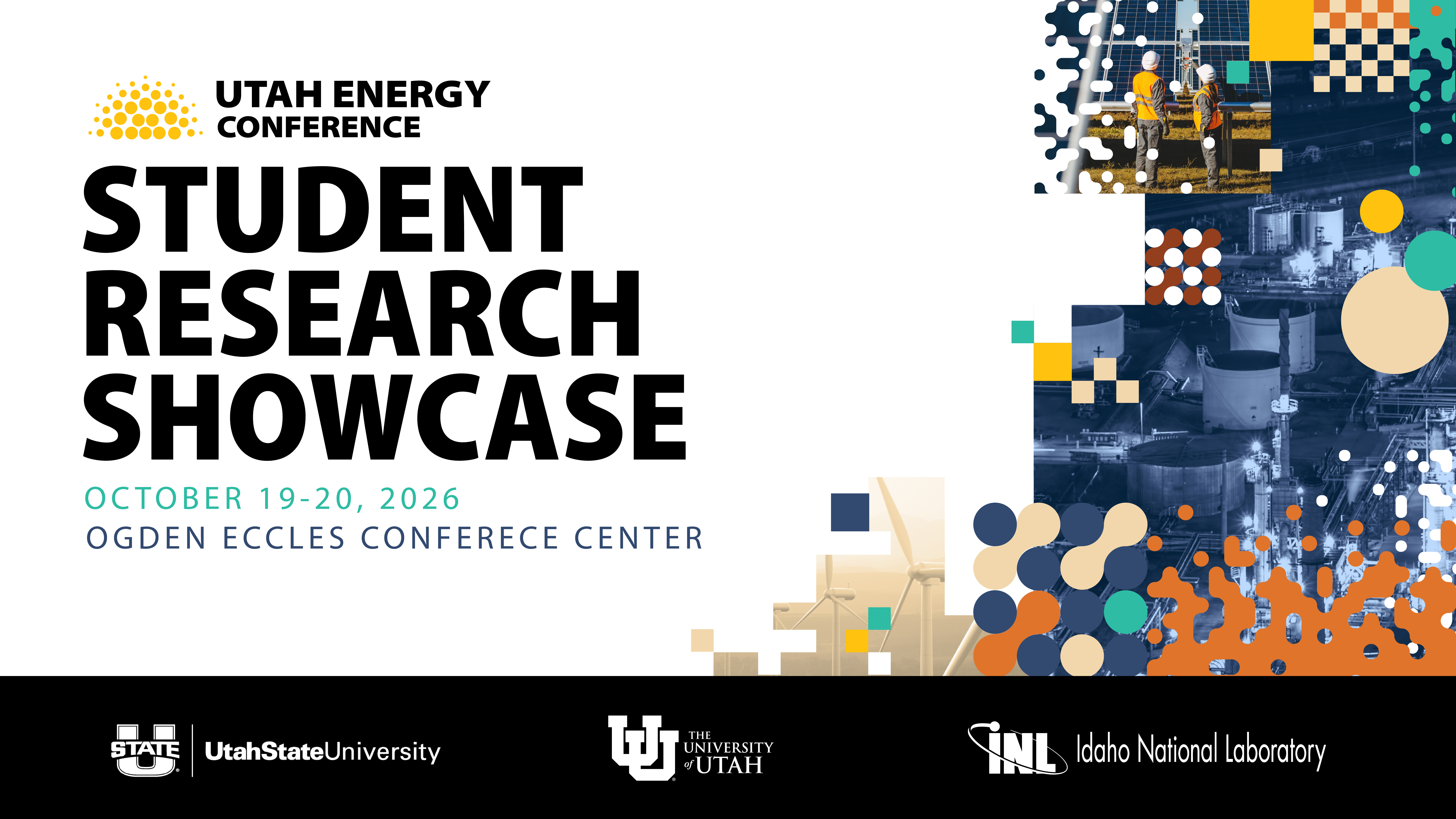
USU’s Office of Research is sponsoring next month’s 2026 Utah Energy Conference (UEC), which will take place October 19-20, at the Ogden Eccles Conference Center in Ogden, Utah.
Attend the Conference! USU’s Office of Student Research will cover the registration fees for the first 100 USU students who register to attend the conference by using promo code UEC26-USUSTUDENT.
2027 Purdue Road School Transportation Conference & Expo
Submit your presentation to the 2027 Purdue Road School Transportation Conference and Expo by October 9, 2026! Selected presentations will be featured at the conference March 16-17, 2027.
IEEE International Future Energy Challenge (IFEC2027) Student Competition
The IEEE International Future Energy Challenge (IFEC2027) Student Competition is accepting proposals until October 31, 2026. Selected presentations will be workshopped at APEC in March 2027, with the final competition in July 2027, at Utah State University to win grand prizes.
John Deere Electrification Internships
John Deere Internships
John Deere is seeking interns for a range of positions across multiple locations and disciplines. This opportunity allows students to gain practical experience with electric machines, power electronics, and control systems while expanding their knowledge of electrification and energy technologies.
Apply here.
Student Highlights:
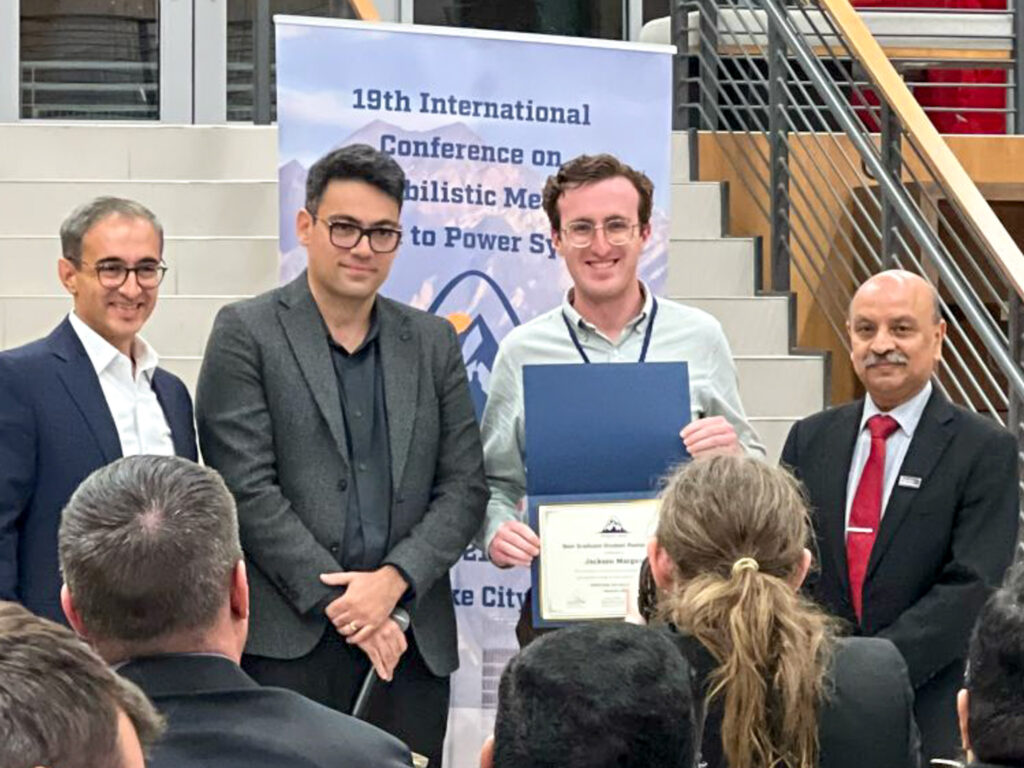
Congratulations to Jackson Morgan, a doctoral candidate in electrical engineering at Utah State University, on receiving the Best Graduate Student Poster Award at the 19th International Conference on Probabilistic Methods Applied to Power Systems (PMAPS) for his poster, “How Accurate Must a Real-Time Price Forecast Be?”
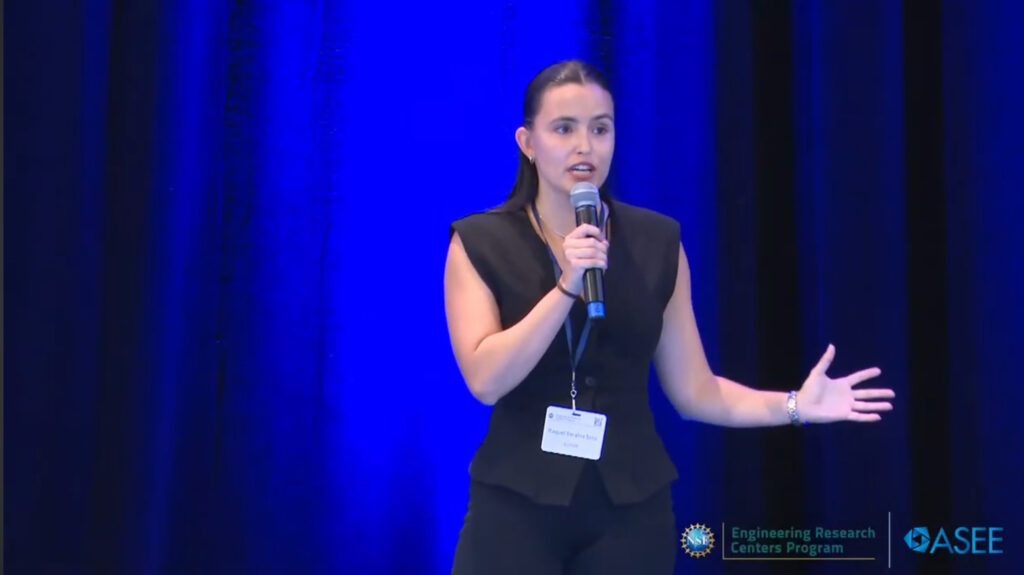
Congratulations to Raquel Sarabia Soto for representing ASPIRE at the NSF Engineering Research Center Biennial Meeting, and receiving an Honorable Mention for the Perfect Pitch Competition!
“Electrification is growing, but batteries are expensive, range is limited, and charging takes time. Beyond cost, batteries require critical minerals and create harmful waste when discarded. We need charging solutions that enable smaller batteries and make cleaner transportation more affordable.”

Congratulations to Gaia Cervini and co-authors, Jinha Jung, Nick Roberts, and Nadia Gkritza’s manuscript, “Mitigating Radiometric Bias in Unmanned Aerial Vehicle Thermal Infrared Imagery Using Temperature-Controlled Reference Plates” was published in Photogrammetric Engineering & Remote Sensing!
In this study, Gaia developed a practical calibration approach using temperature-controlled reference plates to improve the accuracy of UAV-derived temperature measurements, turning a challenge encountered during field data collection into a method that can support more reliable thermal analysis.
Gaia building on this work in her postdoctoral research with ASPIRE at Purdue University with UAV thermal and visual imagery to study DWPTs and support their monitoring and digital-twin development.
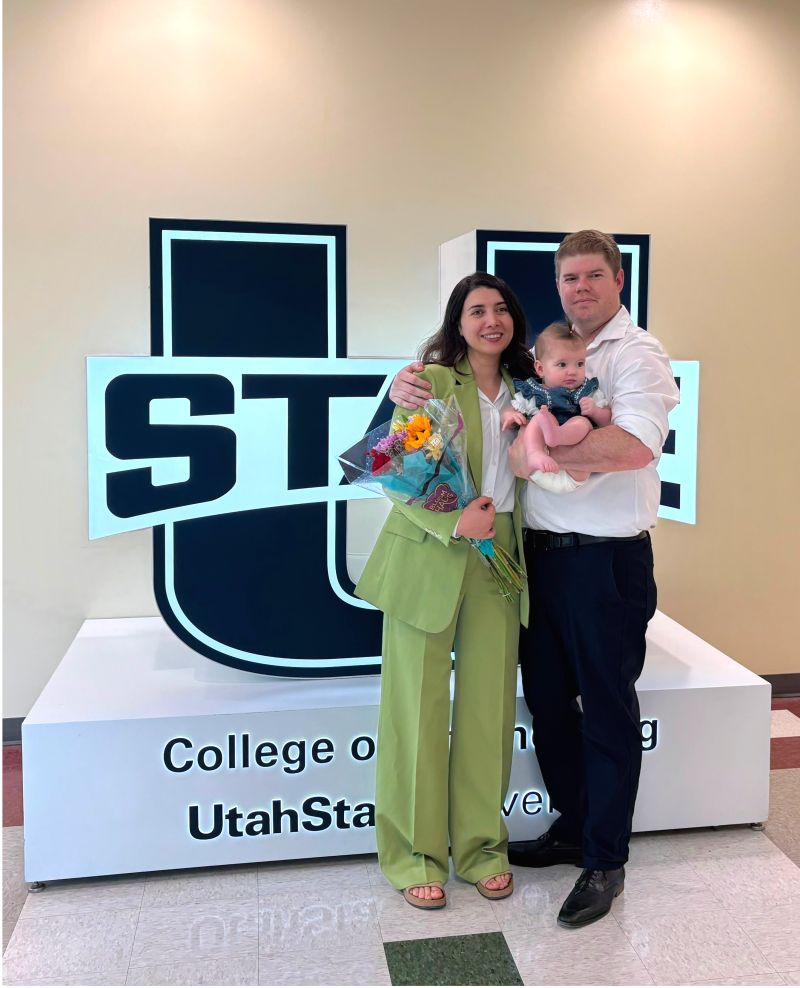
Congratulations to Fariba Soltani for defending her Ph.D. in Civil and Environmental Engineering, with a focus on Transportation Engineering, at Utah State University!
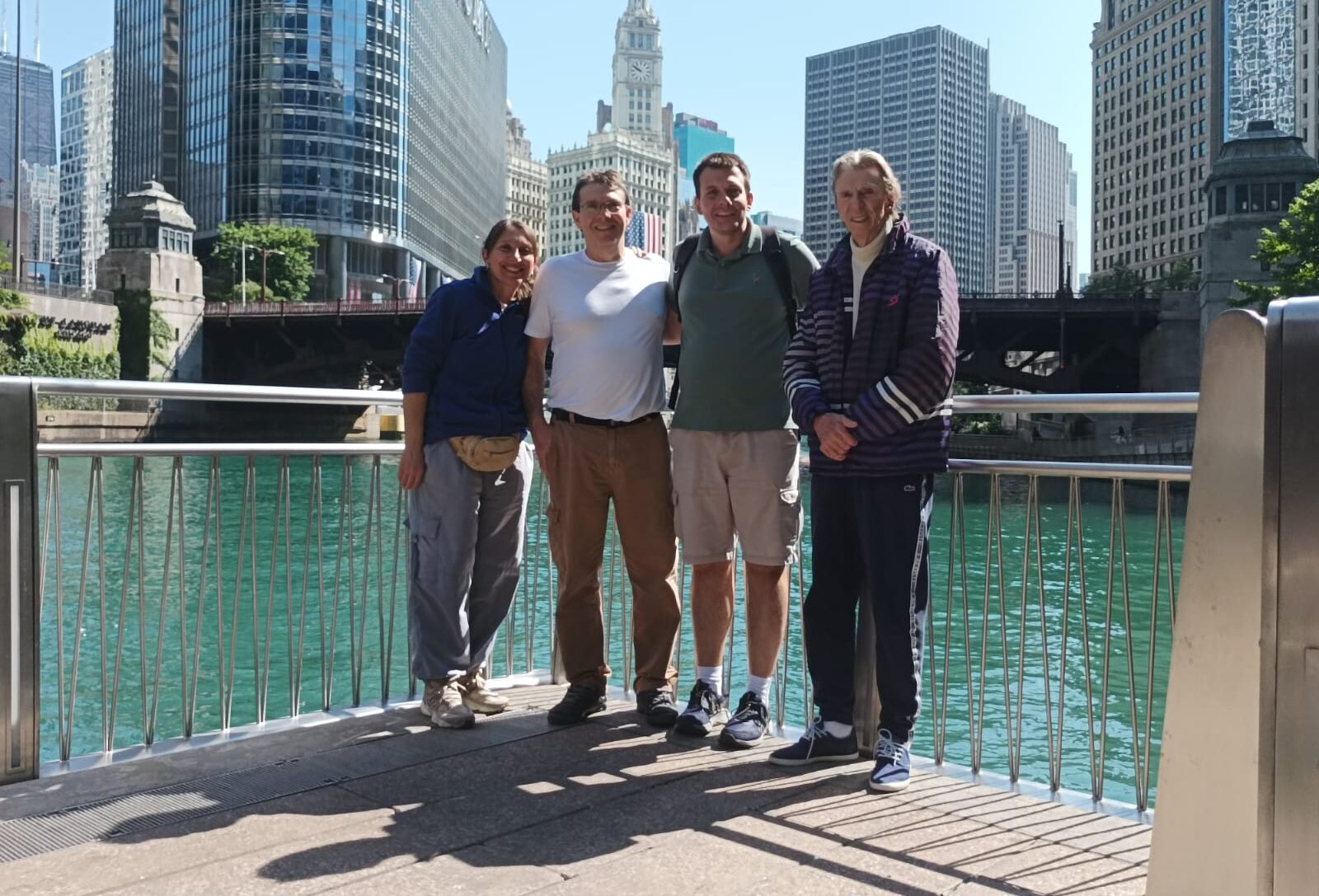
Bruno Cesar Krause Moras joined the Department of Industrial and Engineering Technology as faculty at Southeastern Louisiana University after completing his Ph.D. at Purdue University!
ASPIRE Foundation Travel Awards
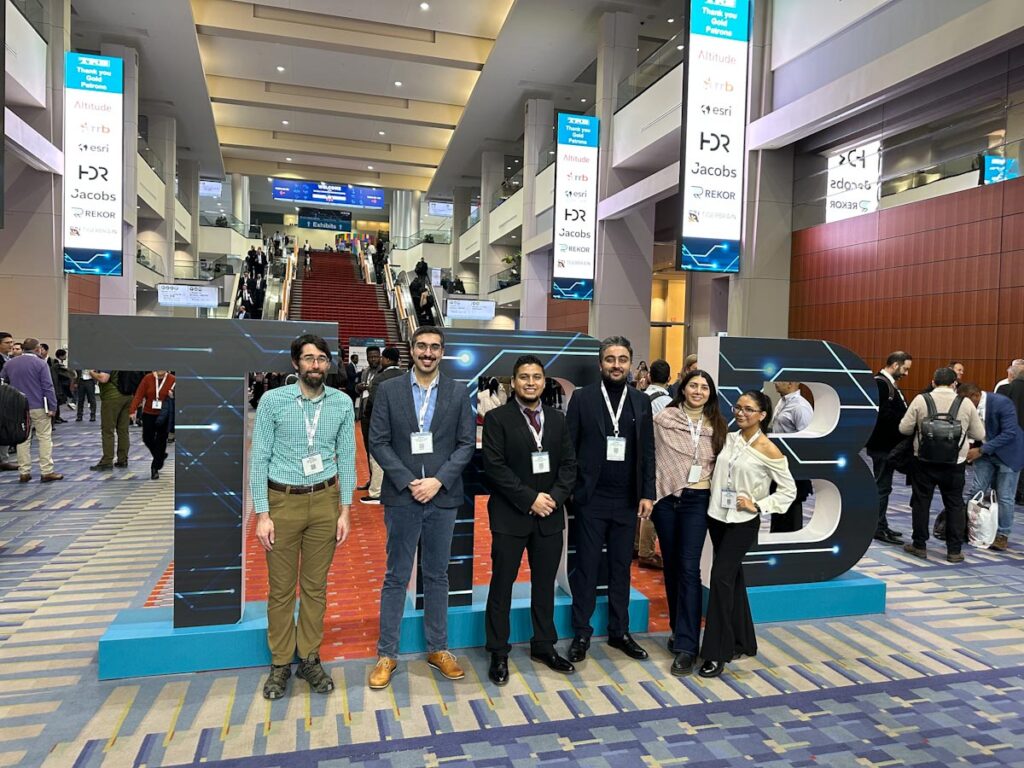
The ASPIRE Foundation is offering travel awards to undergraduate and graduate students accepted to present research or creative work directly applicable to the scope of work with ASPIRE. All disciplines are eligible to apply for funding for student posters, oral presentations, and exhibits.
Learn more about this exciting opportunity to fund your presentation opportunities and apply!
Student Leadership Retreat
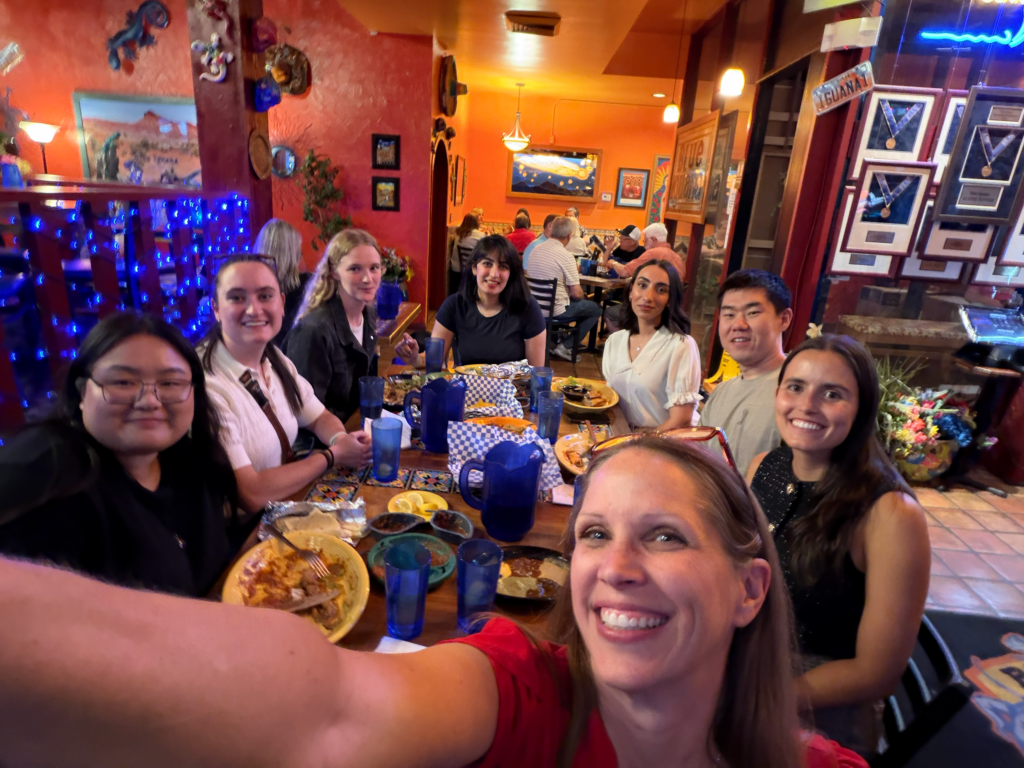
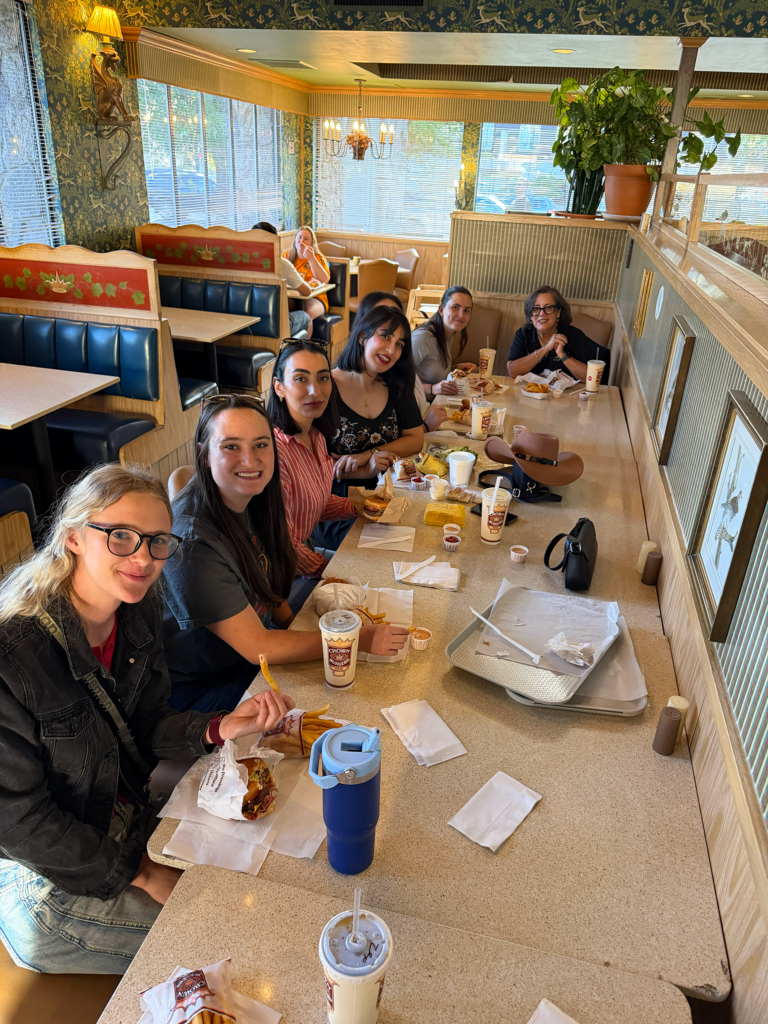
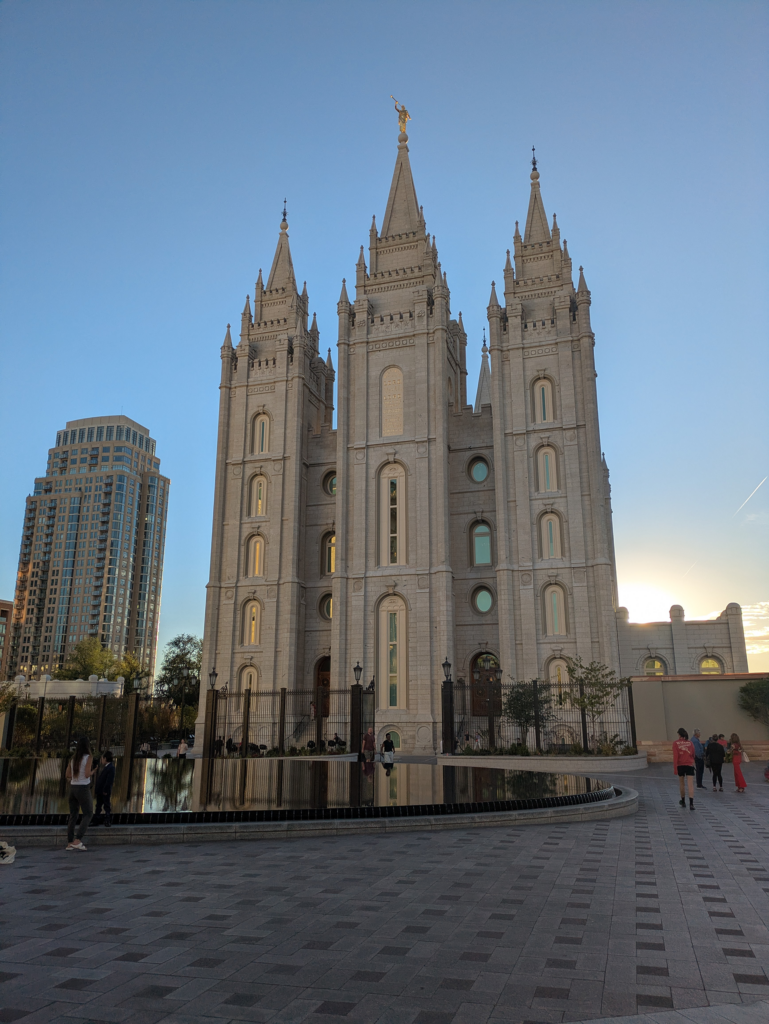
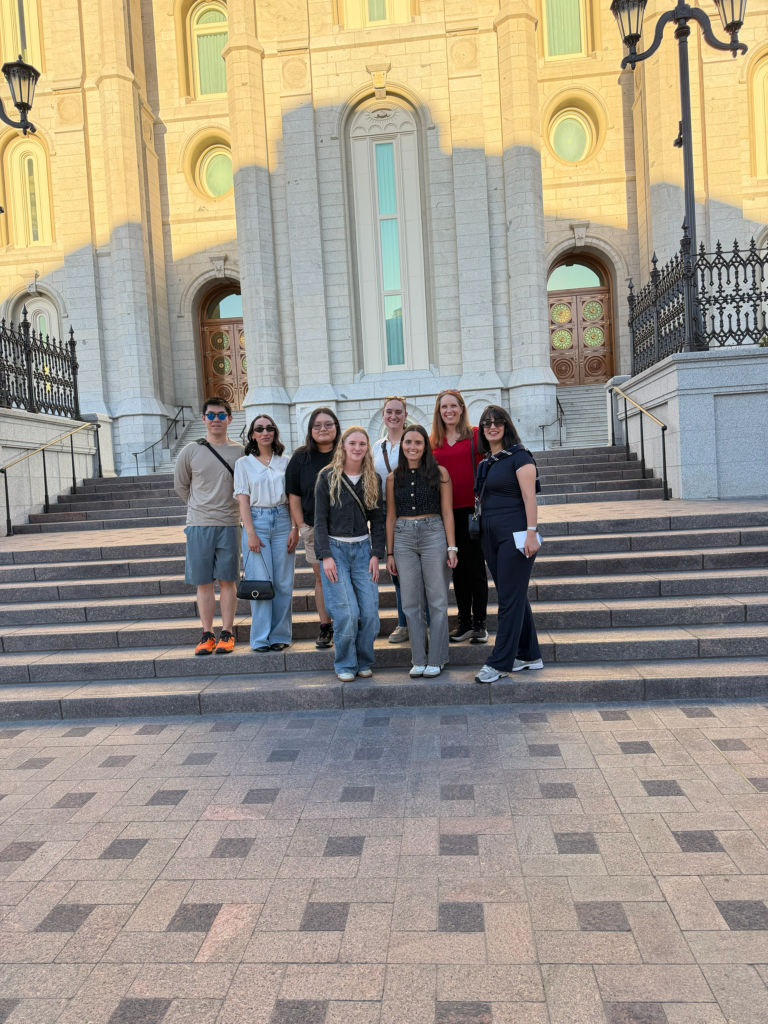
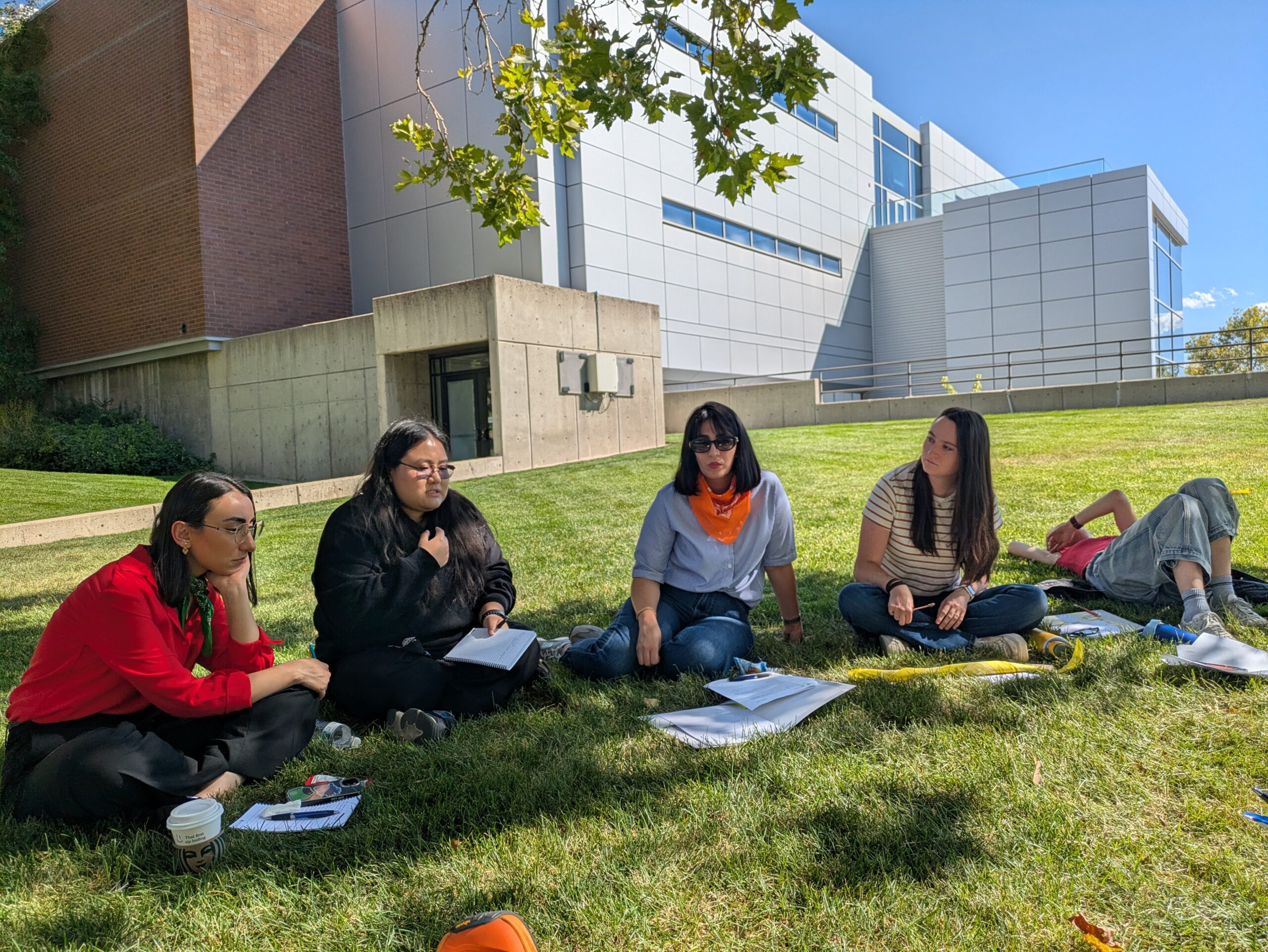
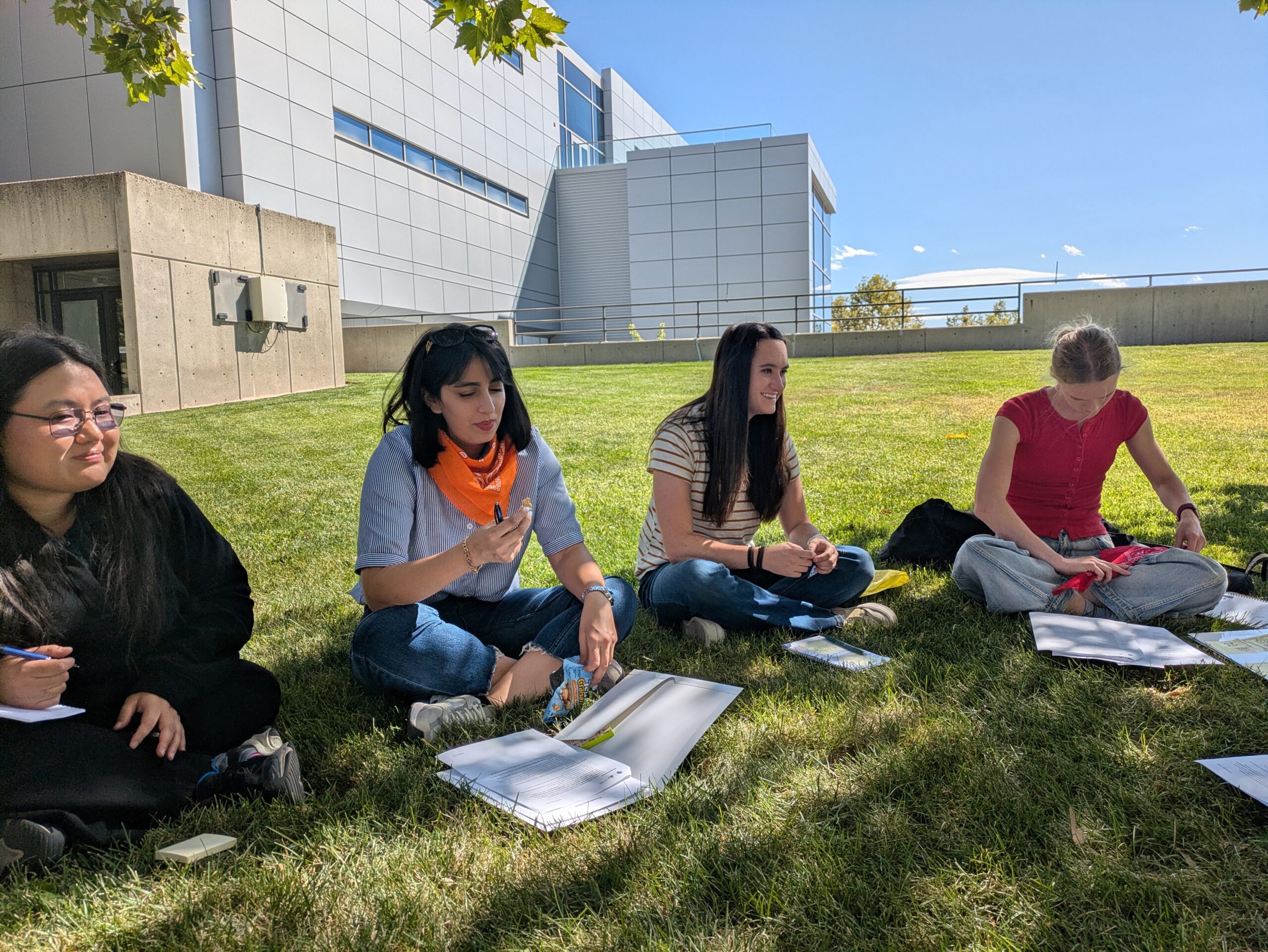
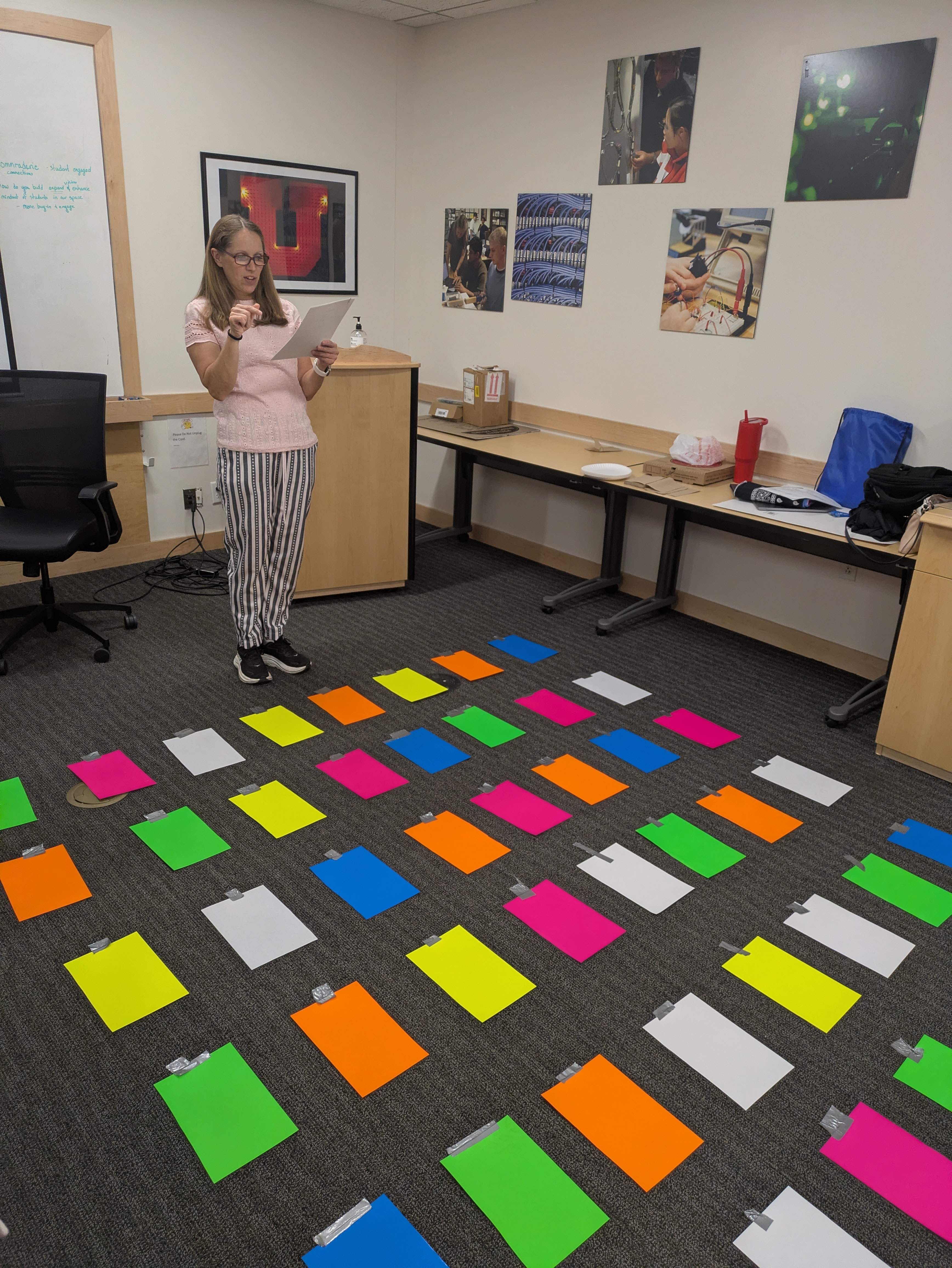
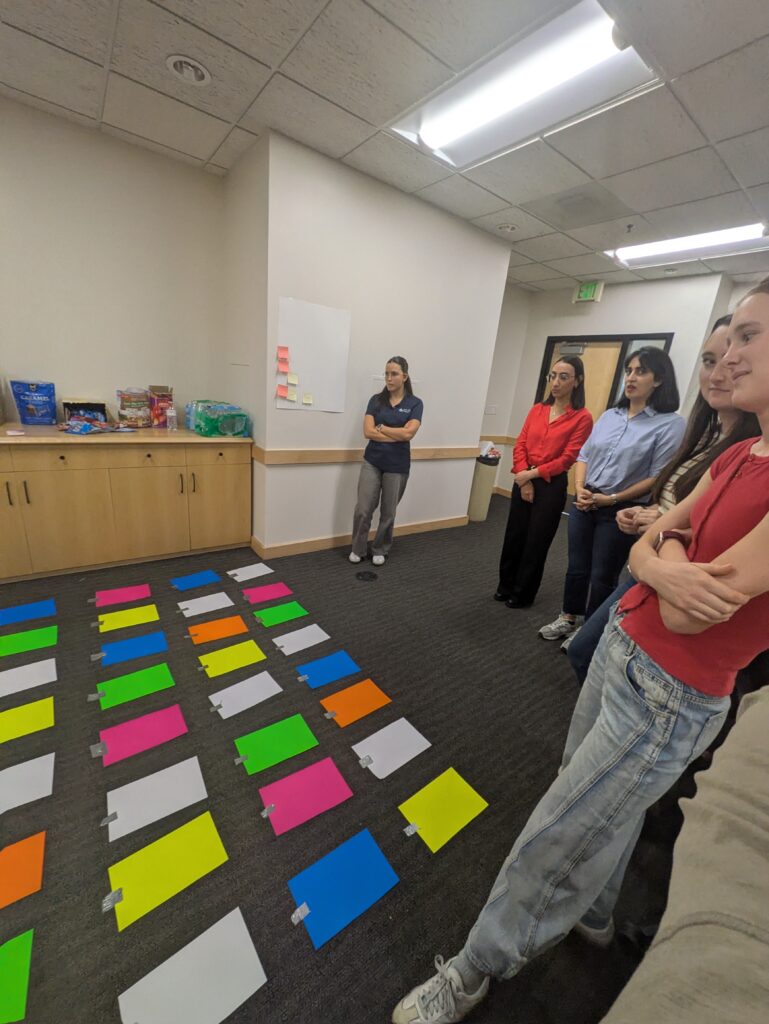
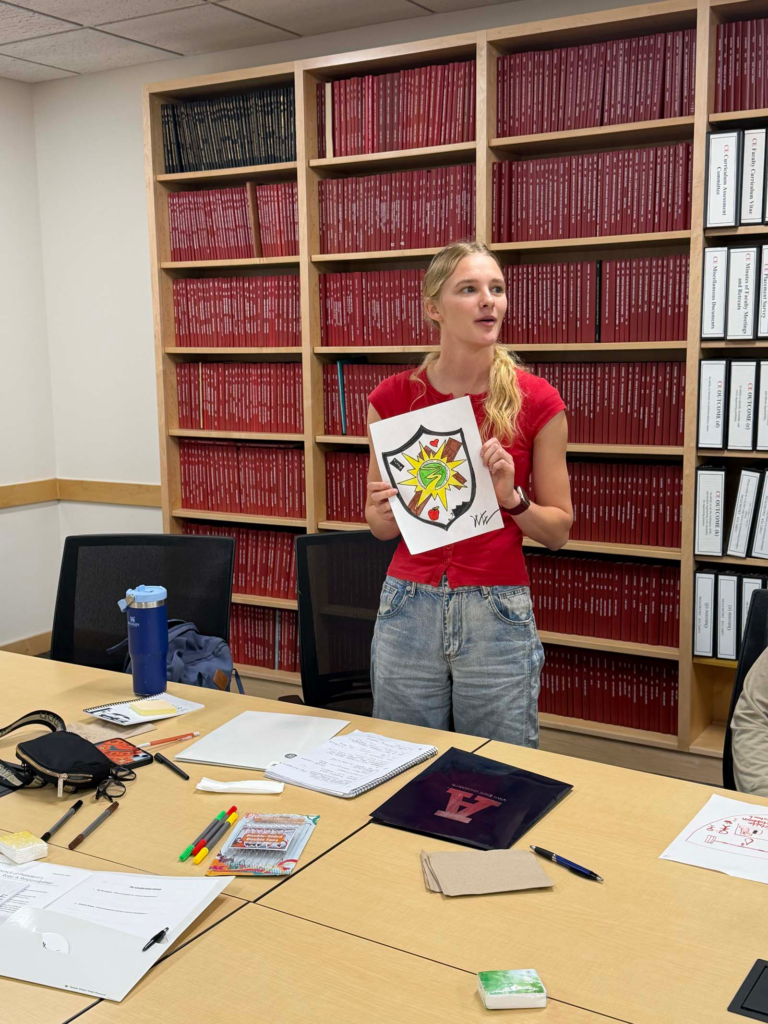
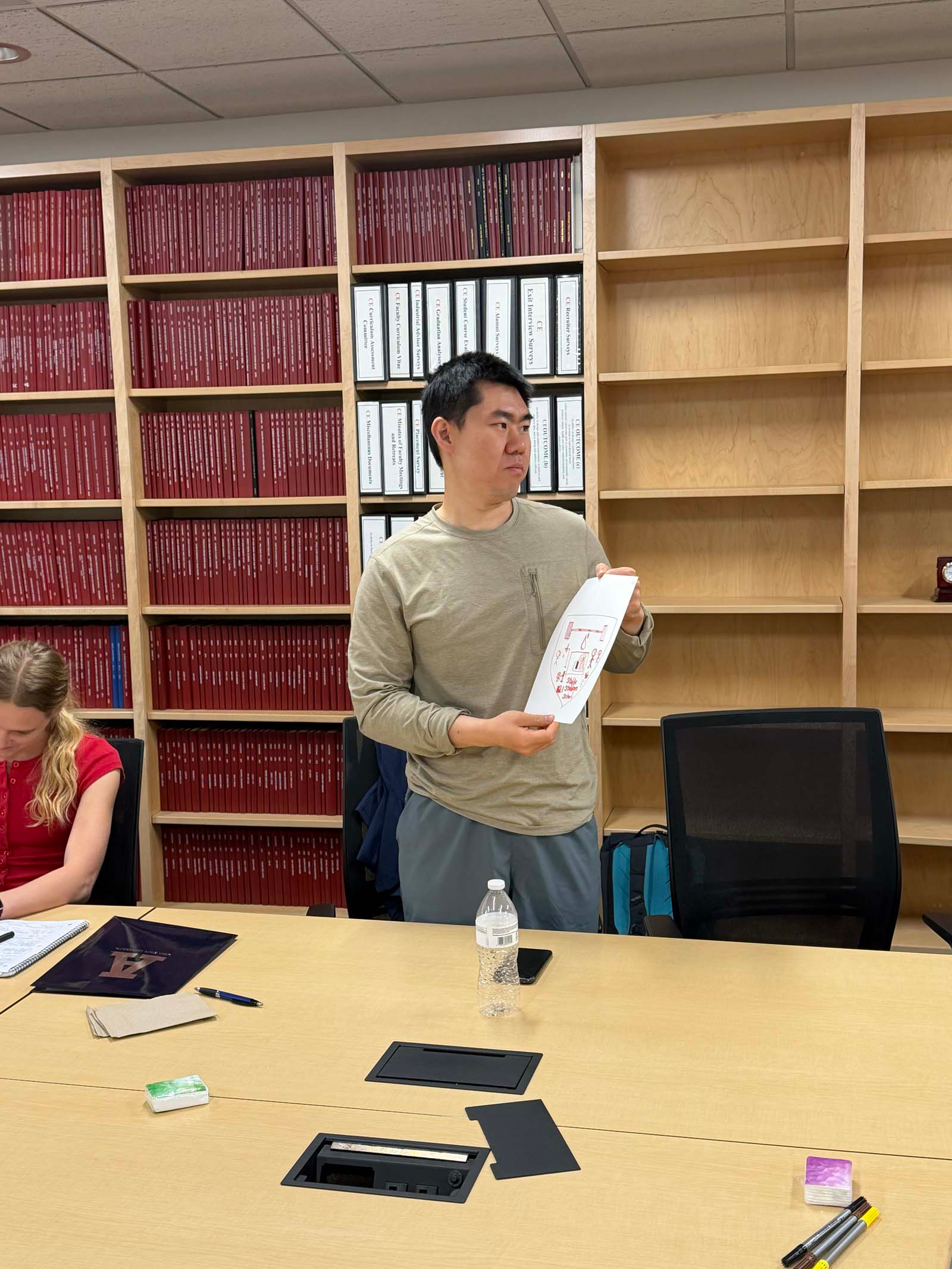
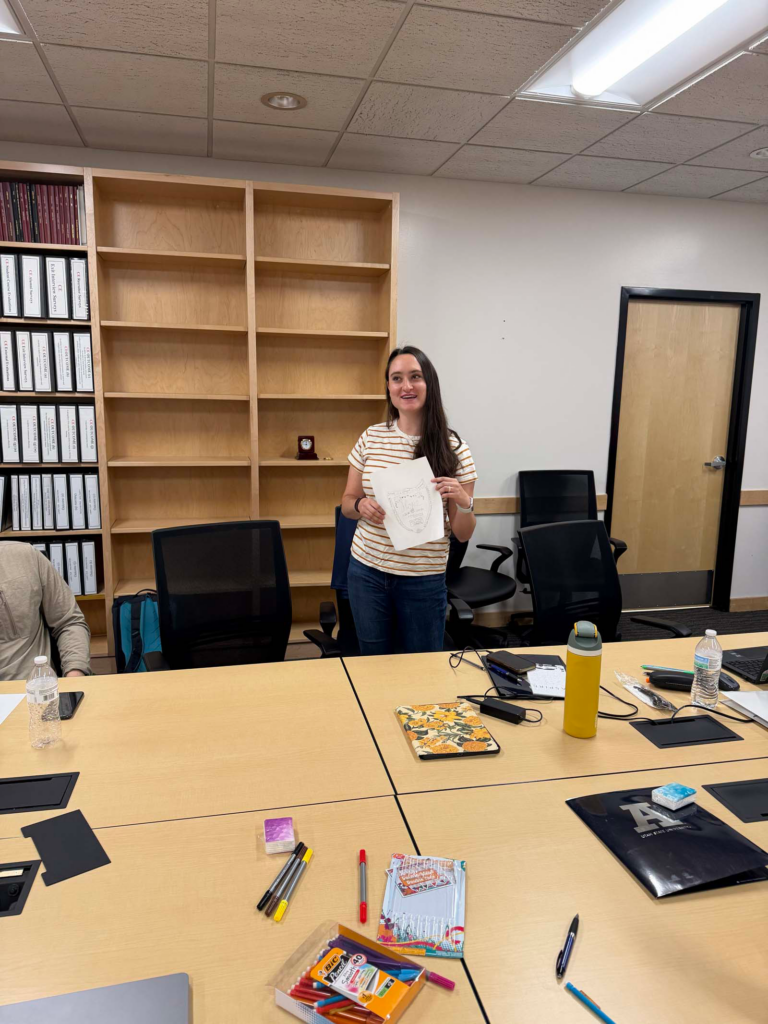
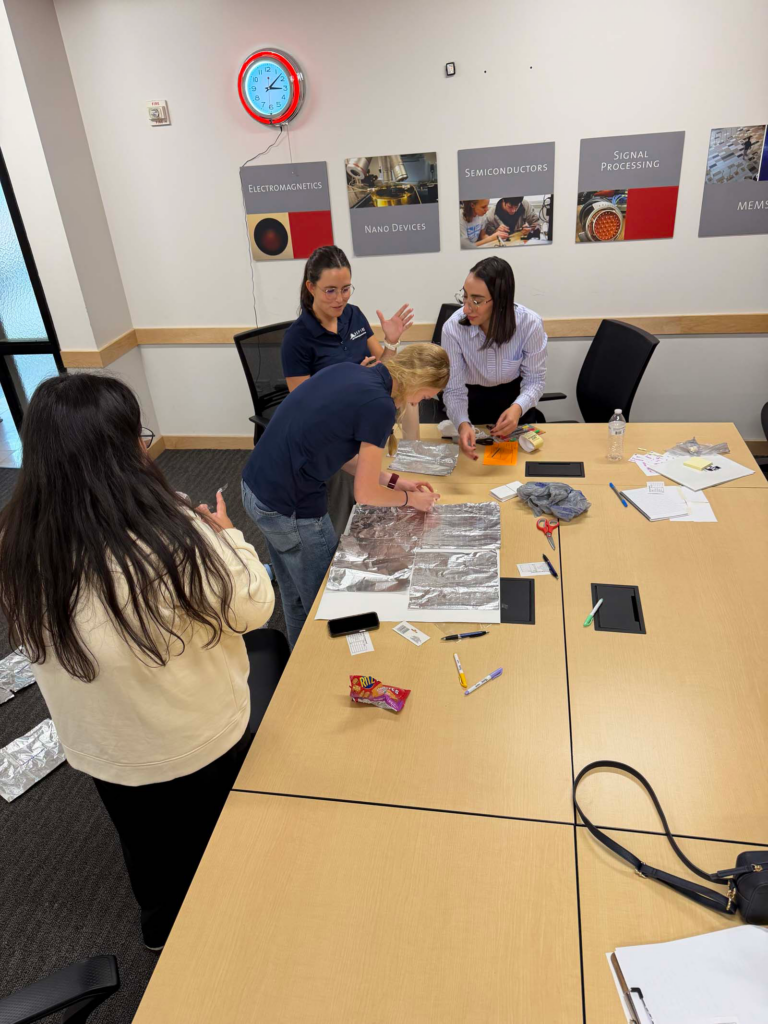
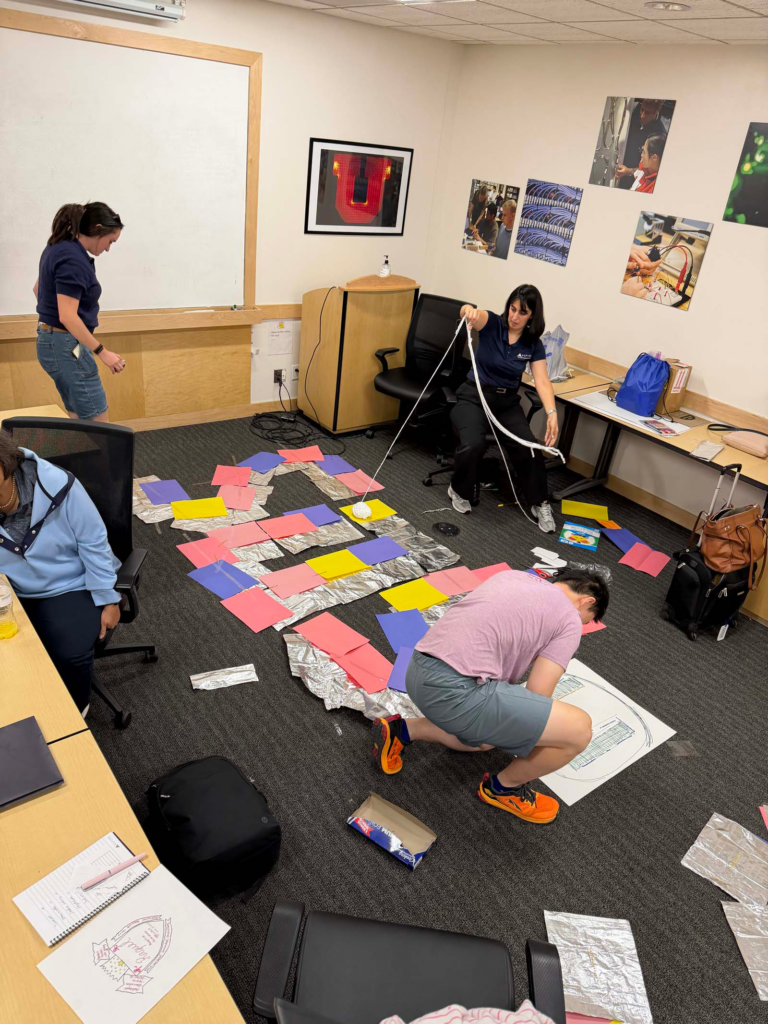
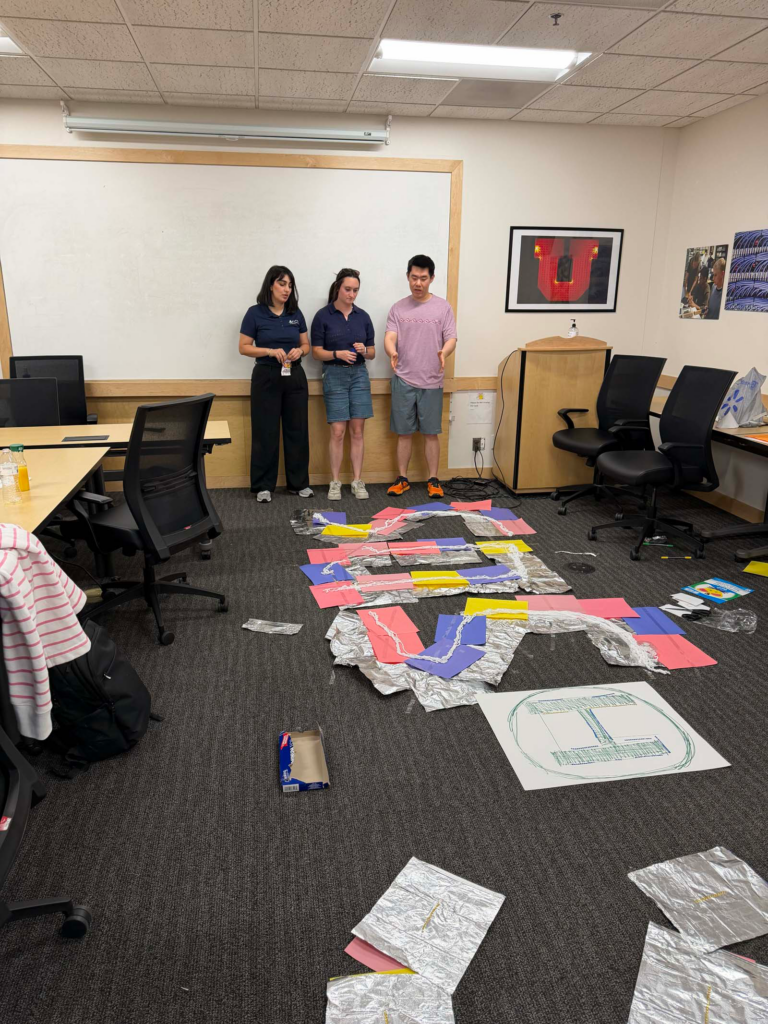
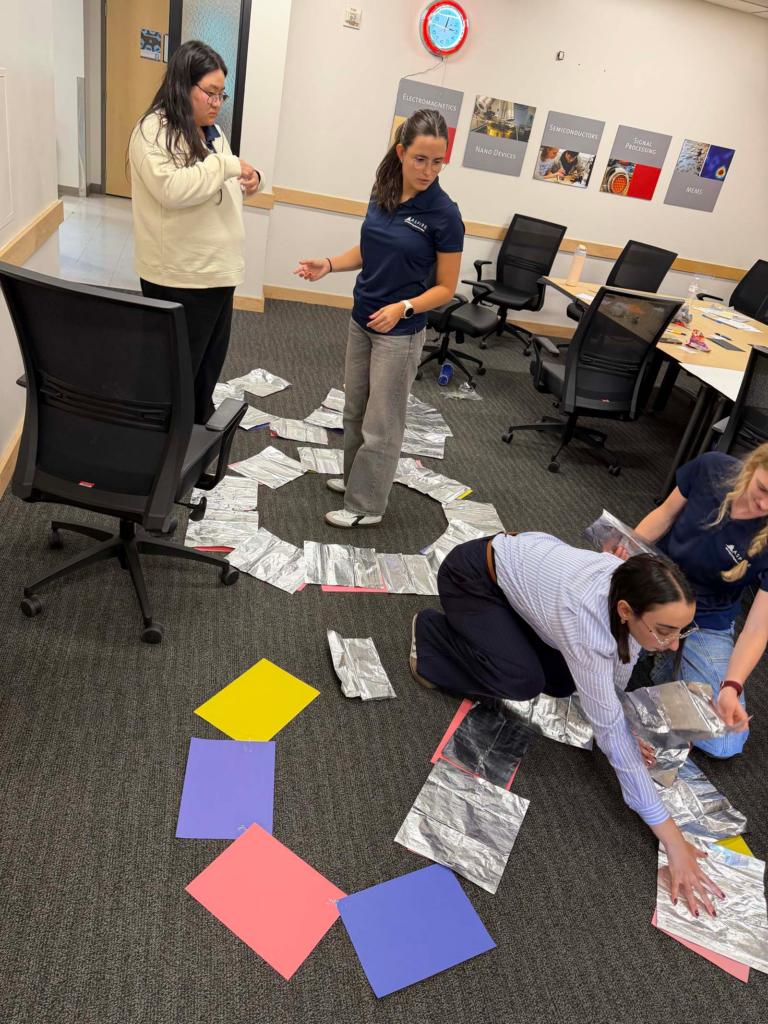
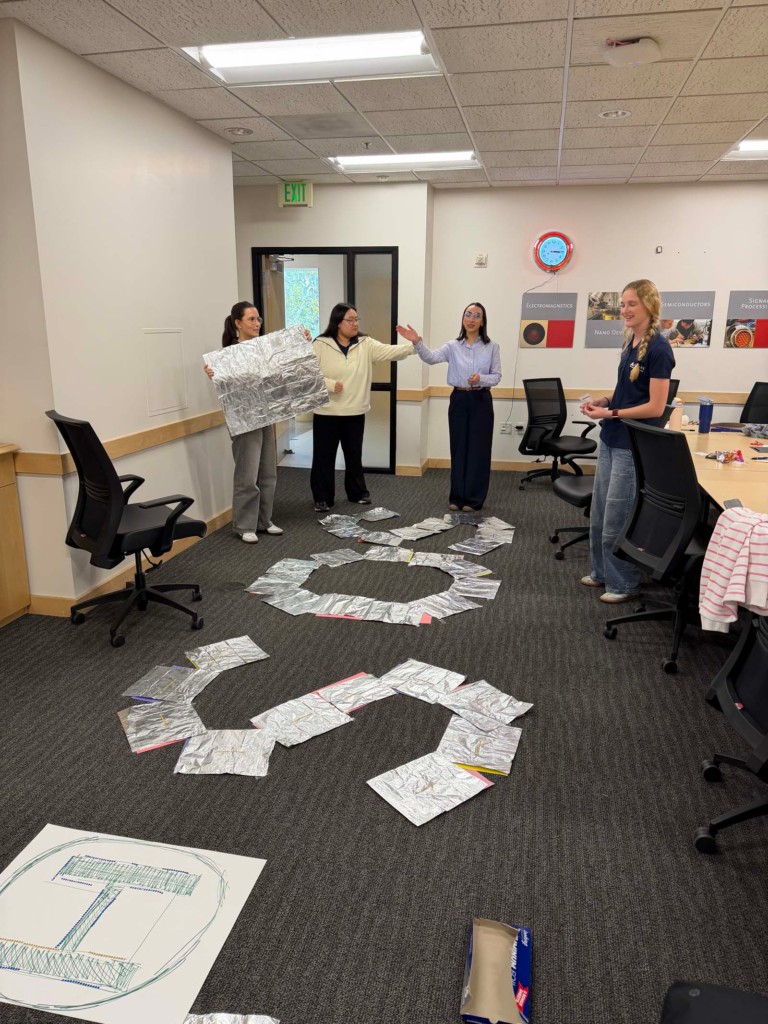
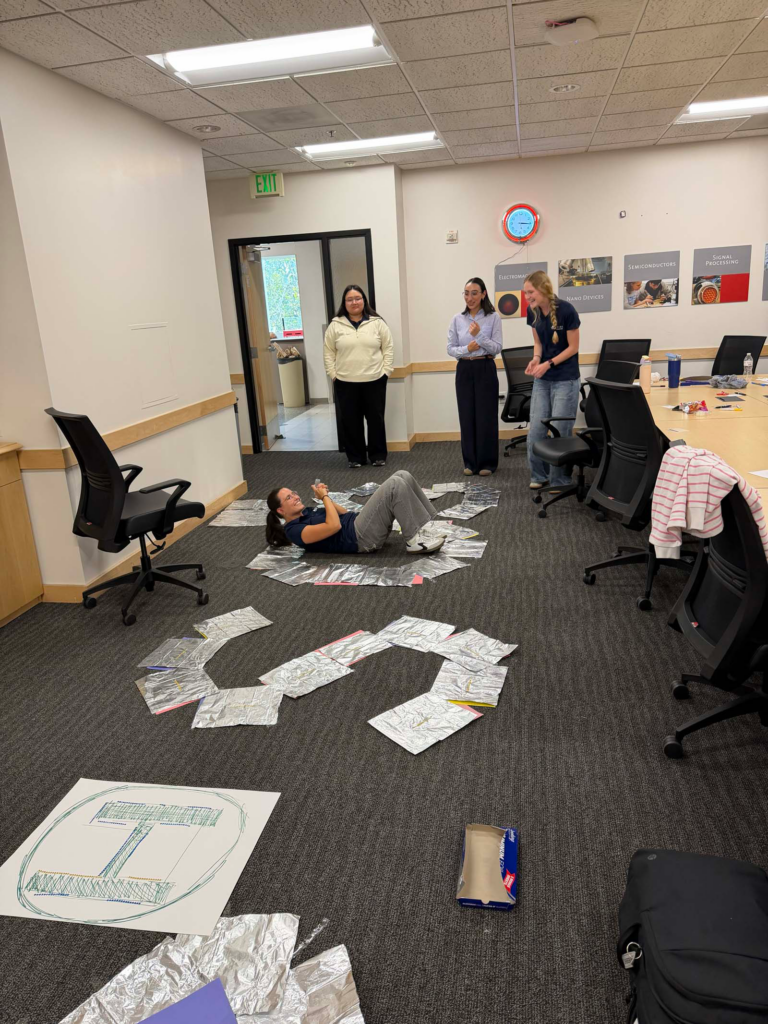
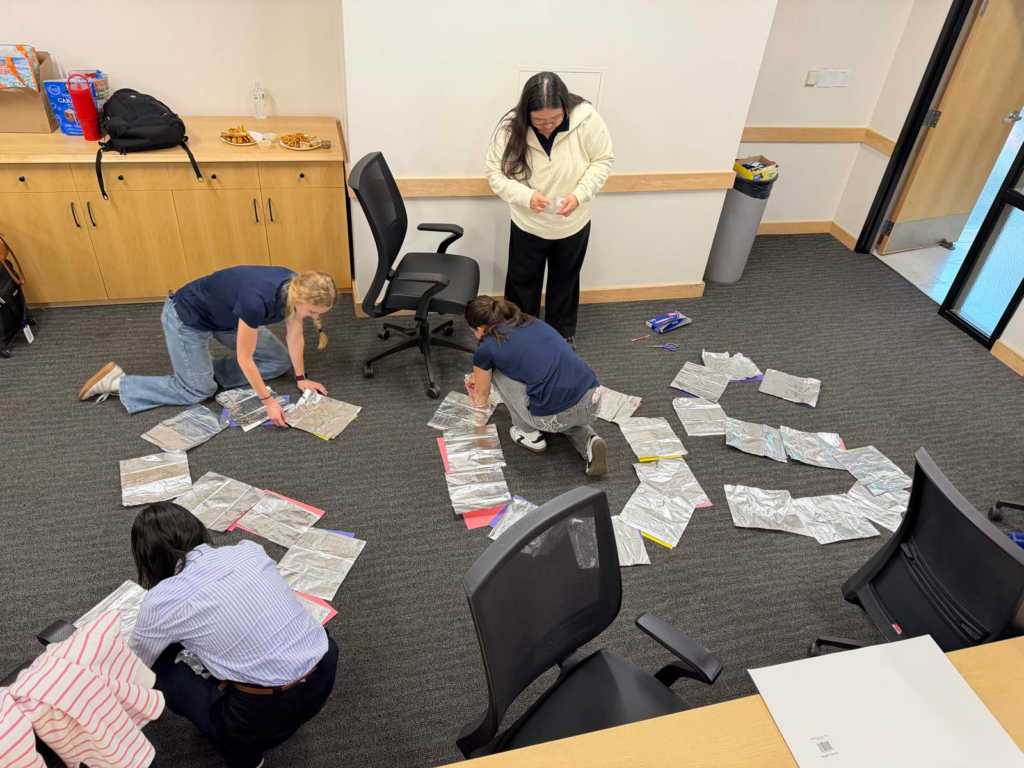
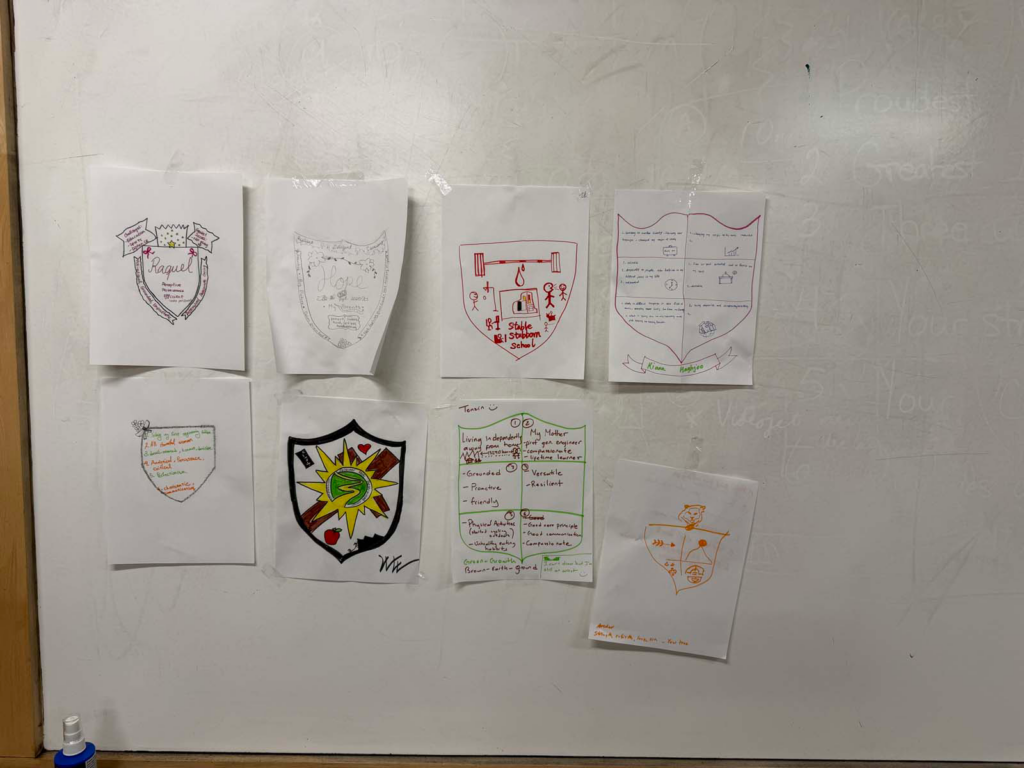
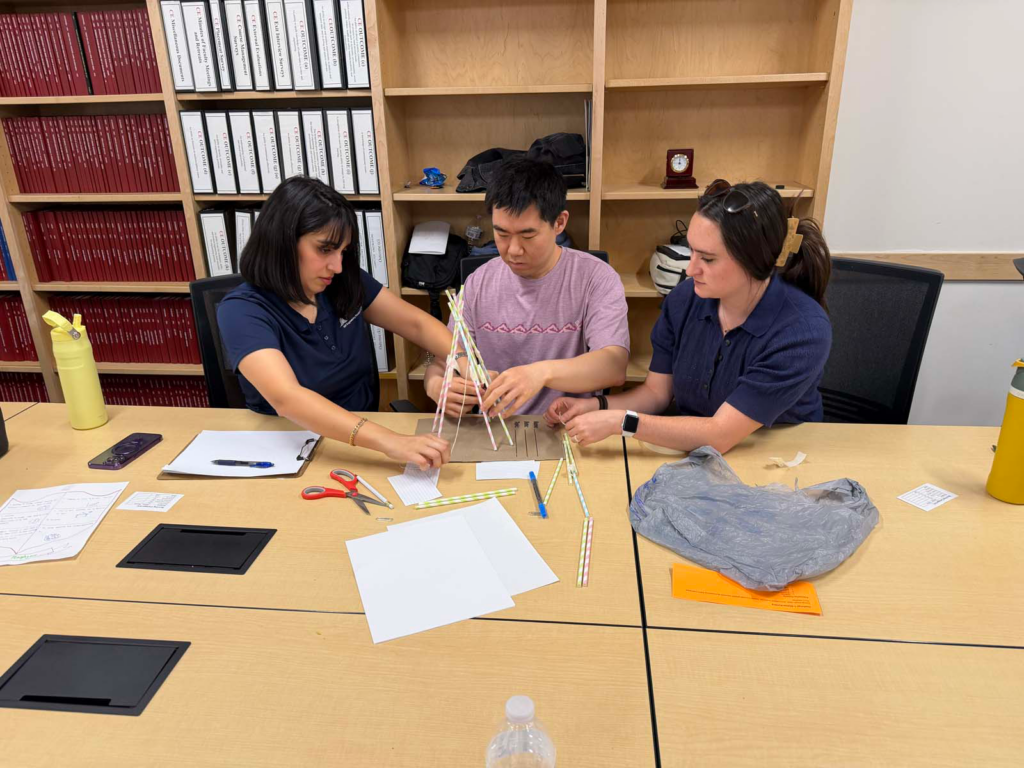
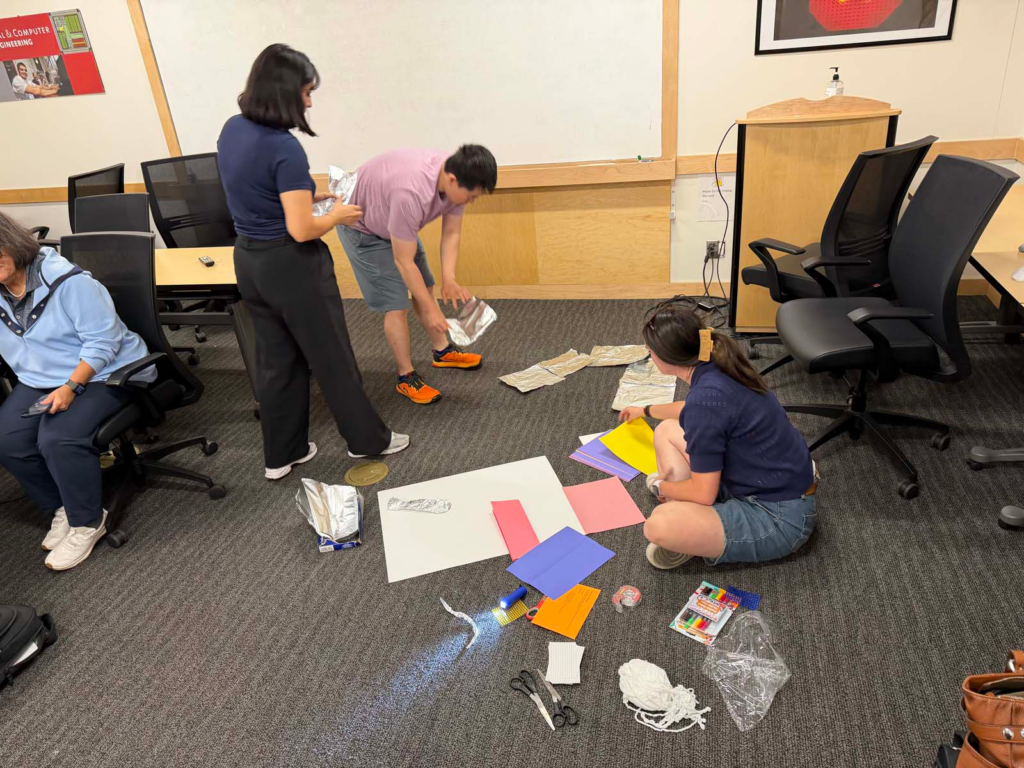
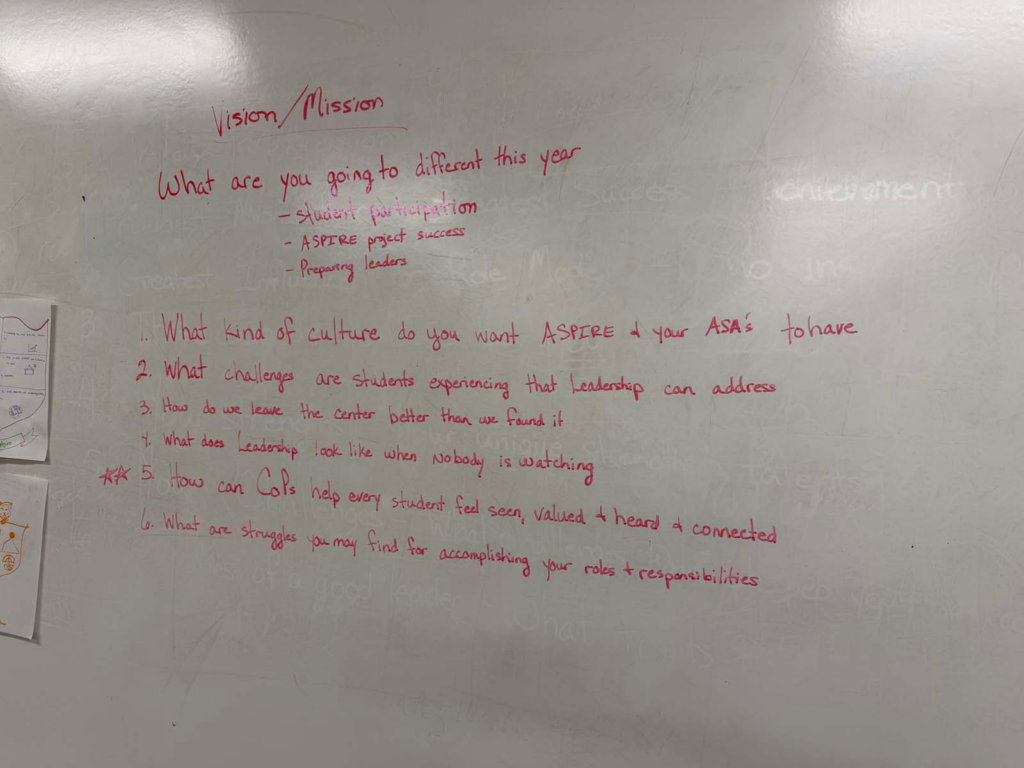
The ASPIRE Student Leadership Retreat was held September 10-13 in Salt Lake City, Utah. During the retreat, Council of Presidents members connected with one another, built meaningful relationships, and developed a shared vision for Year 7 across all campuses. Participants engaged in a variety of team-building activities and enjoyed spending time together while strengthening their leadership skills, fostering collaboration, and building connections that will support ASPIRE’s mission throughout the coming year.
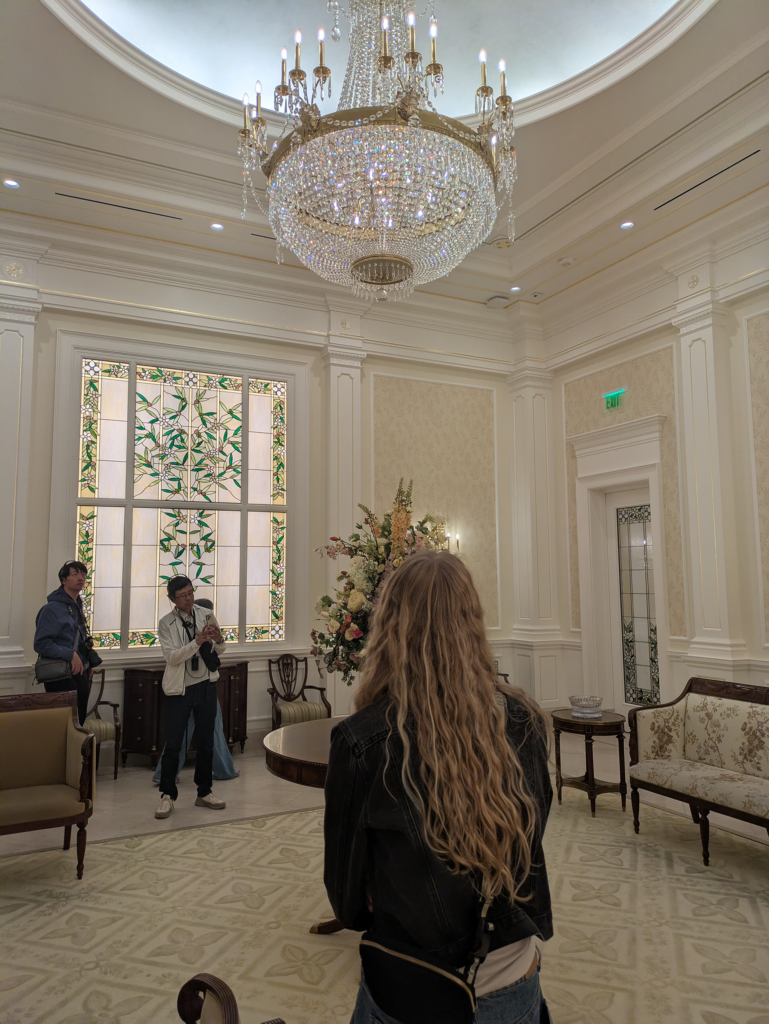
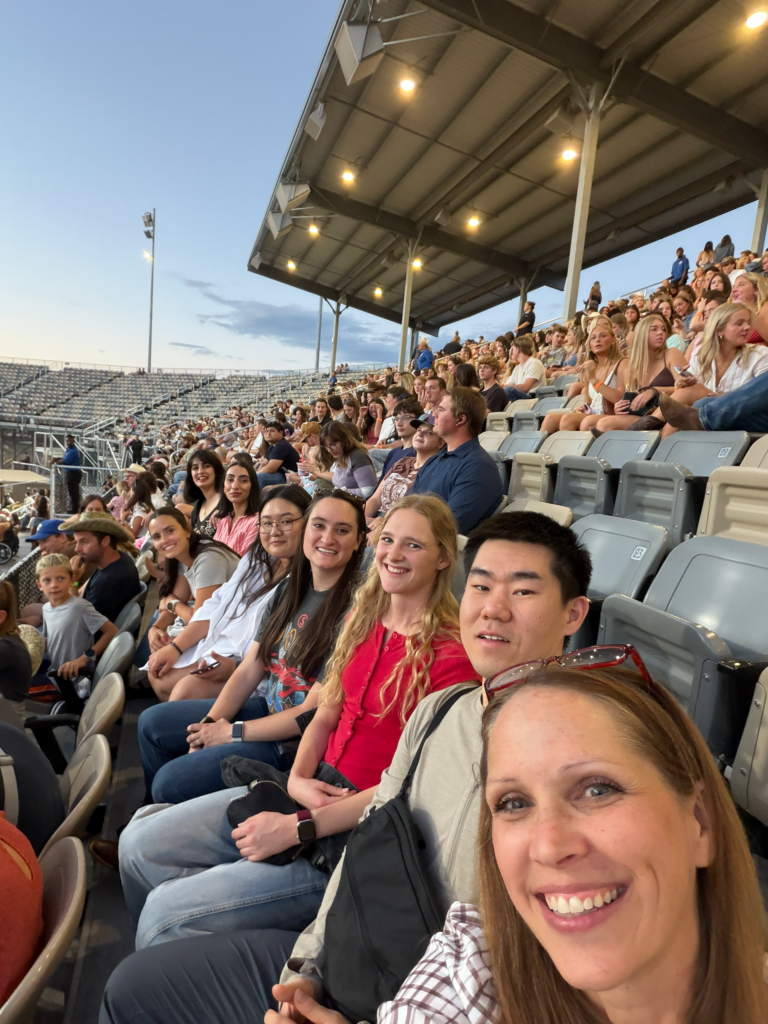
ASPIRE students and Council members Zhihao Lyu, Raquel Sarabia Soto, Tenzin Lhaden, Kiana Haghjoo, Mahsa Omri, Whitney Walpole, and Hope Miller enjoyed attending the Utah State Fair PRCA Rodeo, touring Temple Square, and participating in team-building and engineering activities.
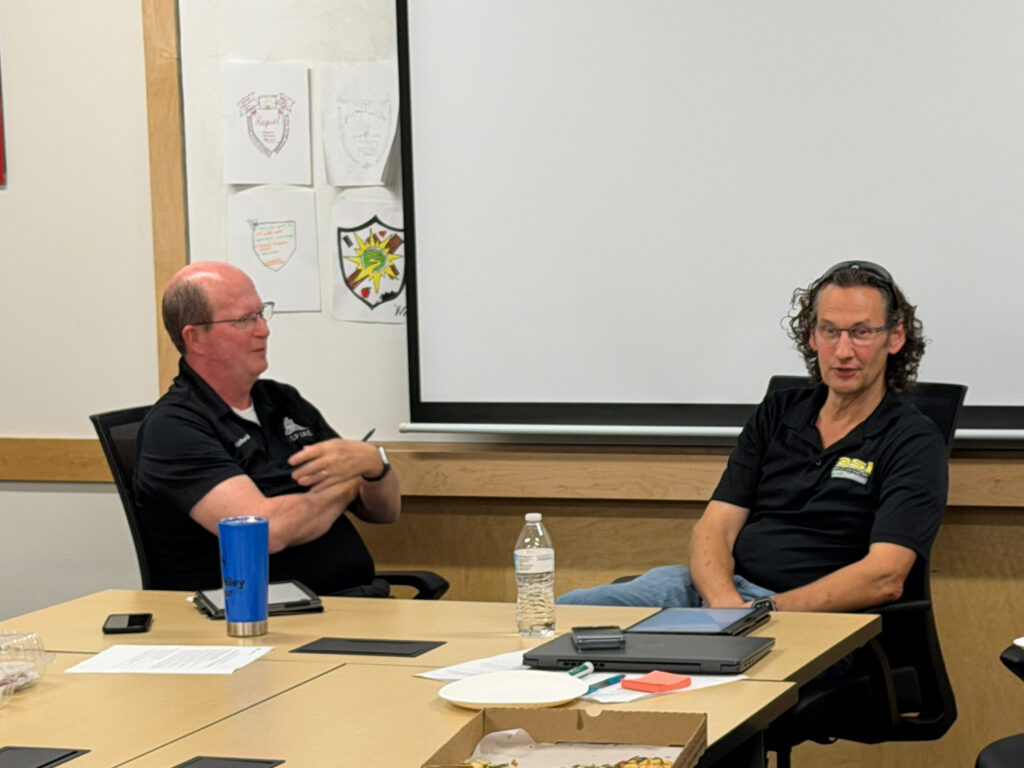
Council members met with Regan Zane, Ivonne Santiago, Melanie Conrad, and Antje Graul to discuss leadership priorities and develop a shared vision for Year 7. Students also met with Don Linford, ASPIRE’s Director of Strategic Programs, and David Walker of Asphalt Systems Inc. to gain industry insights and discuss career goals related to their respective fields of study.
Temple Square
Utah State Fair PRCA Rodeo
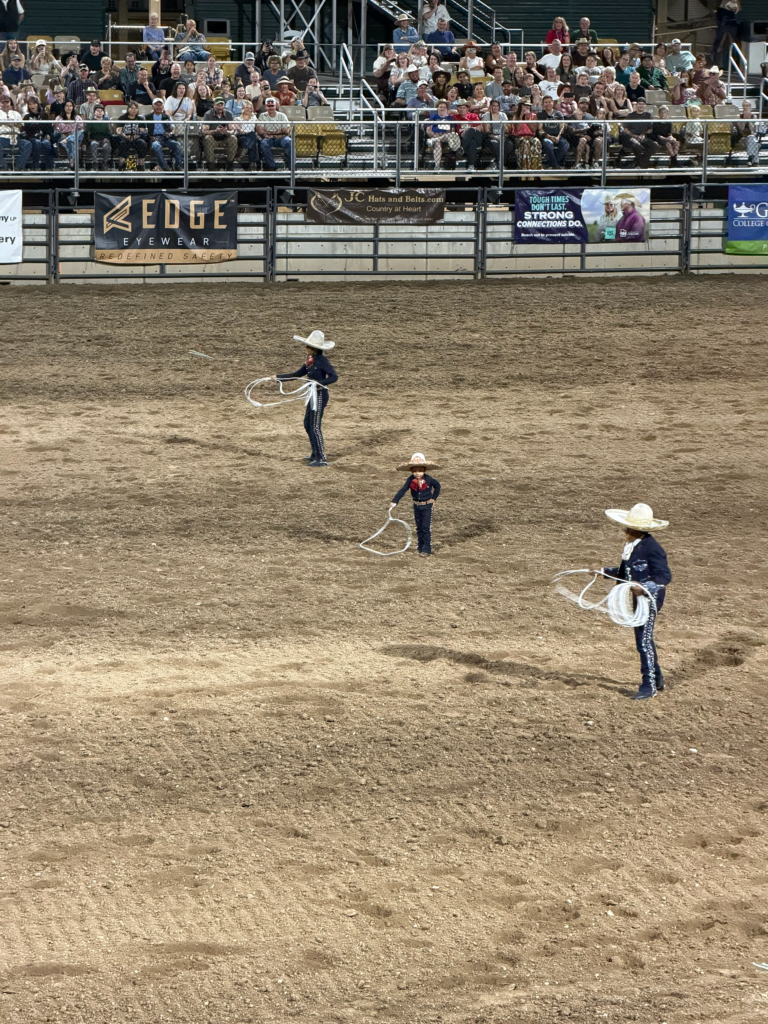
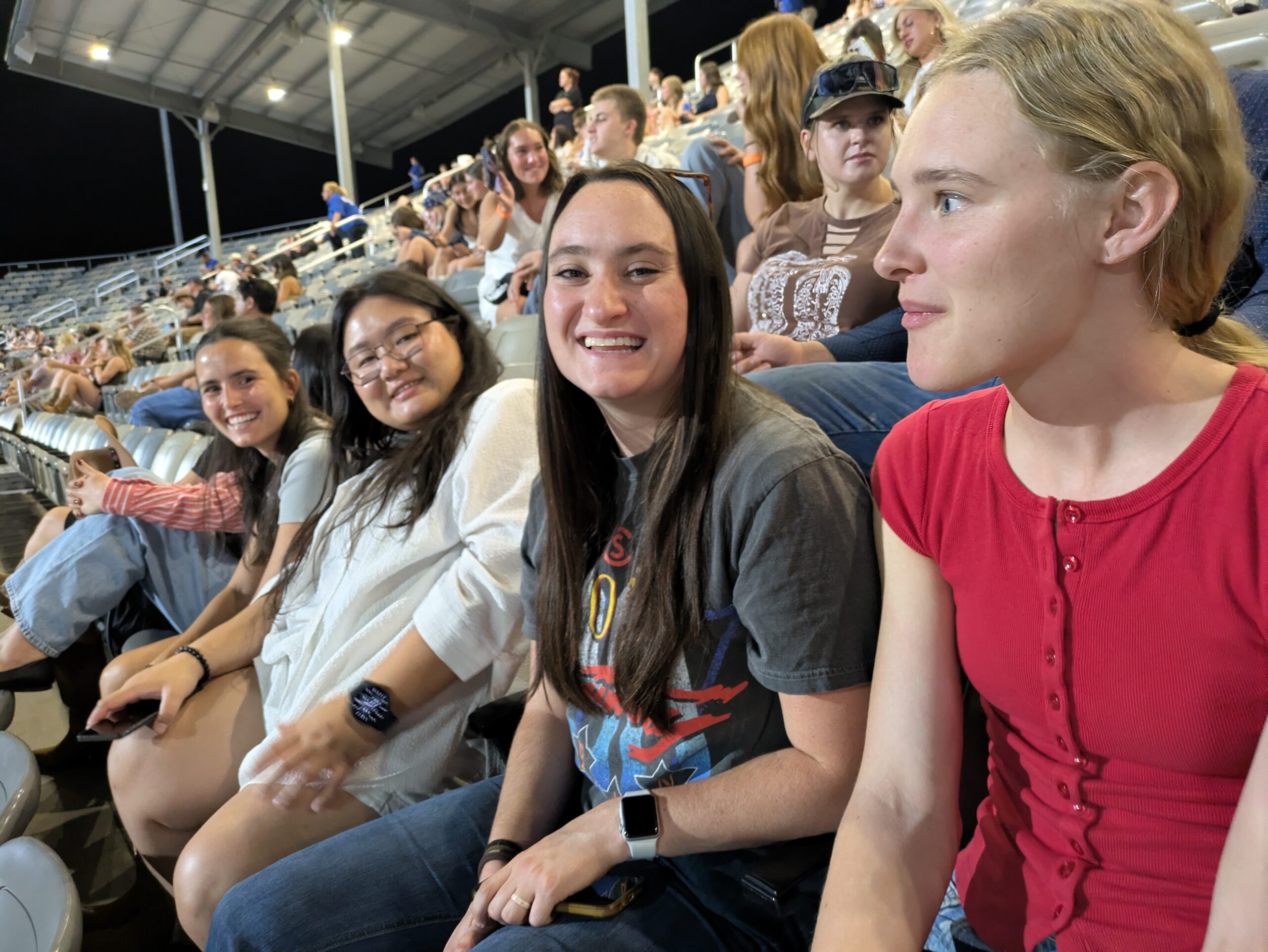
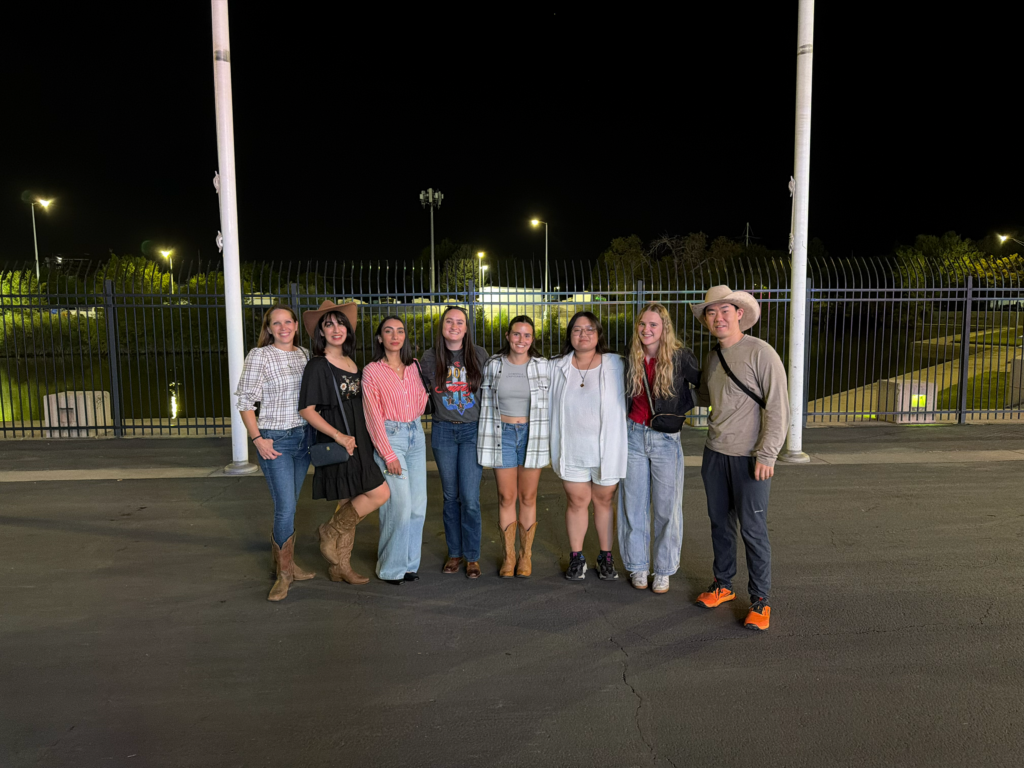
Team Building at the University of Utah
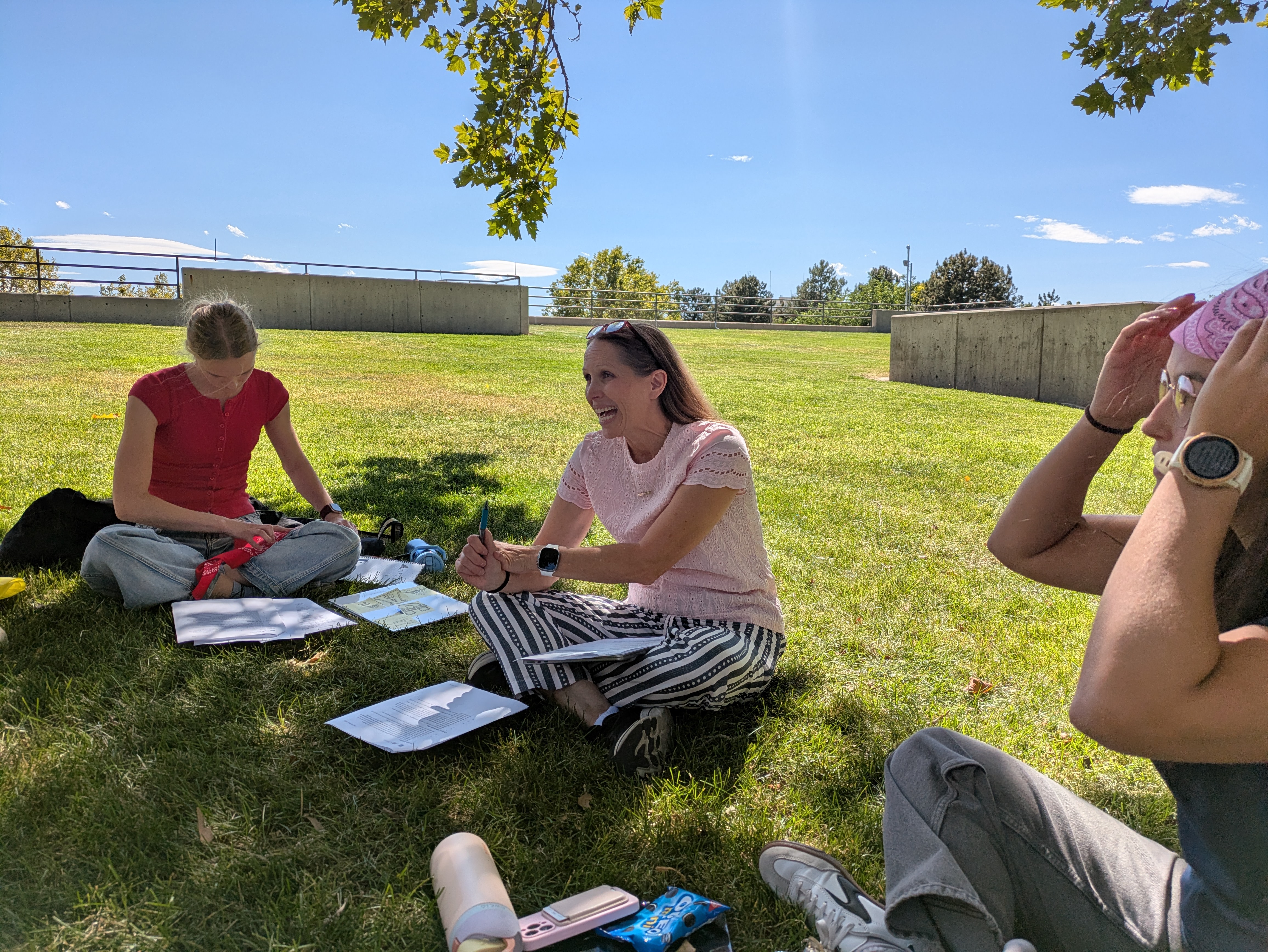
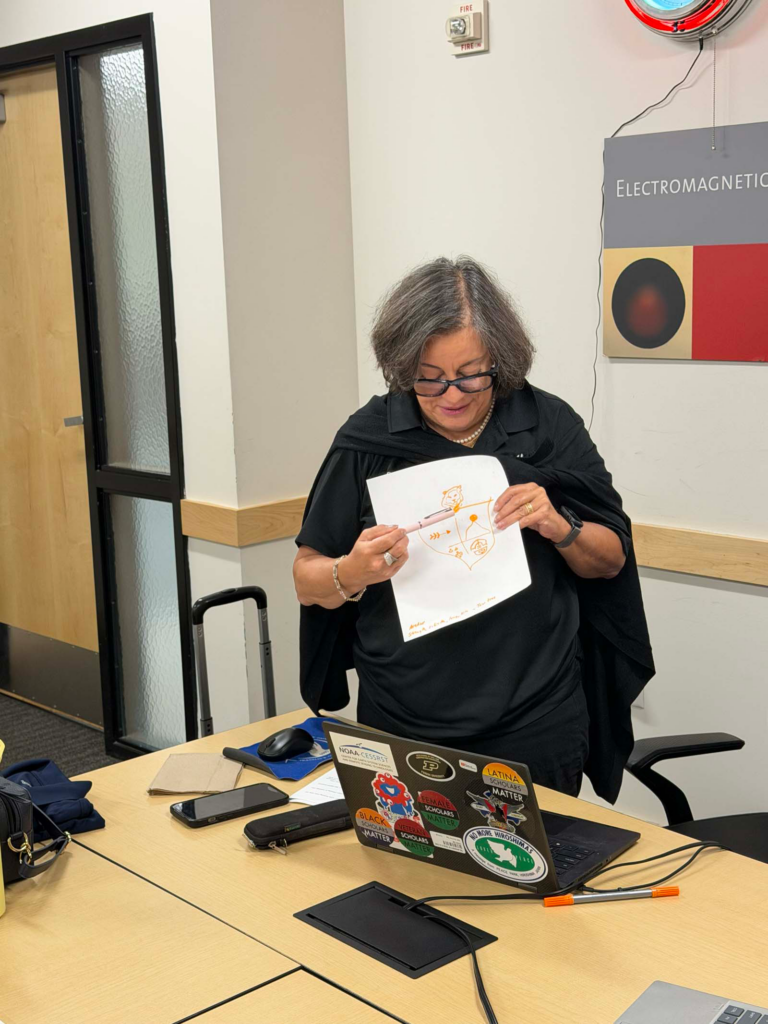
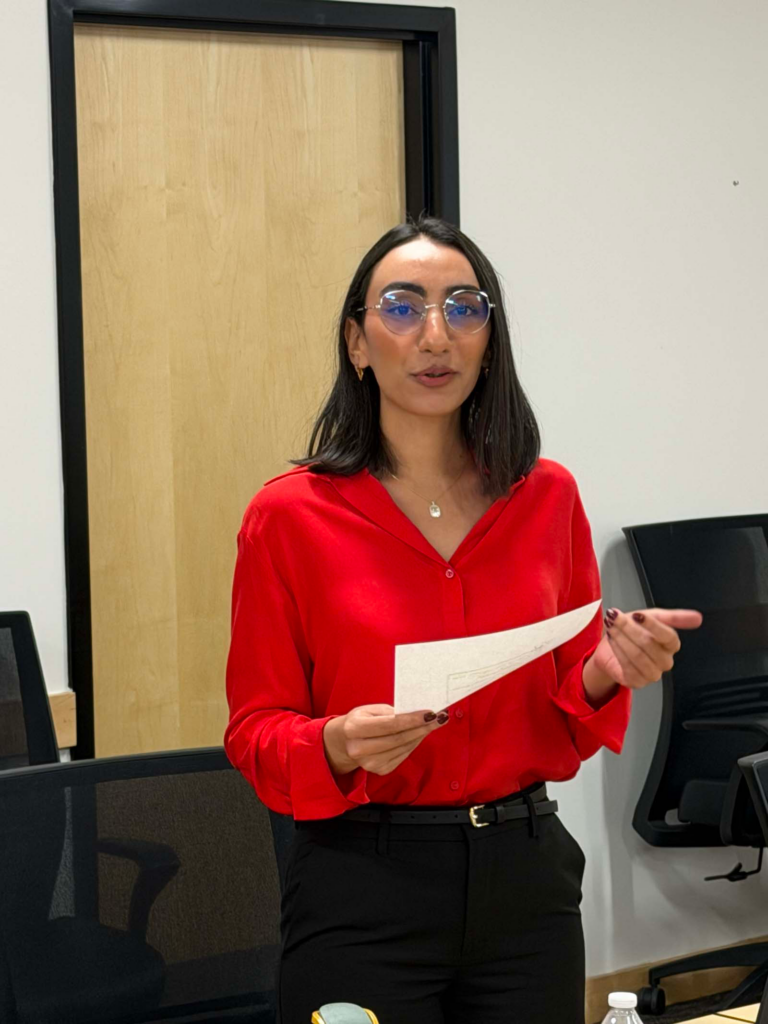
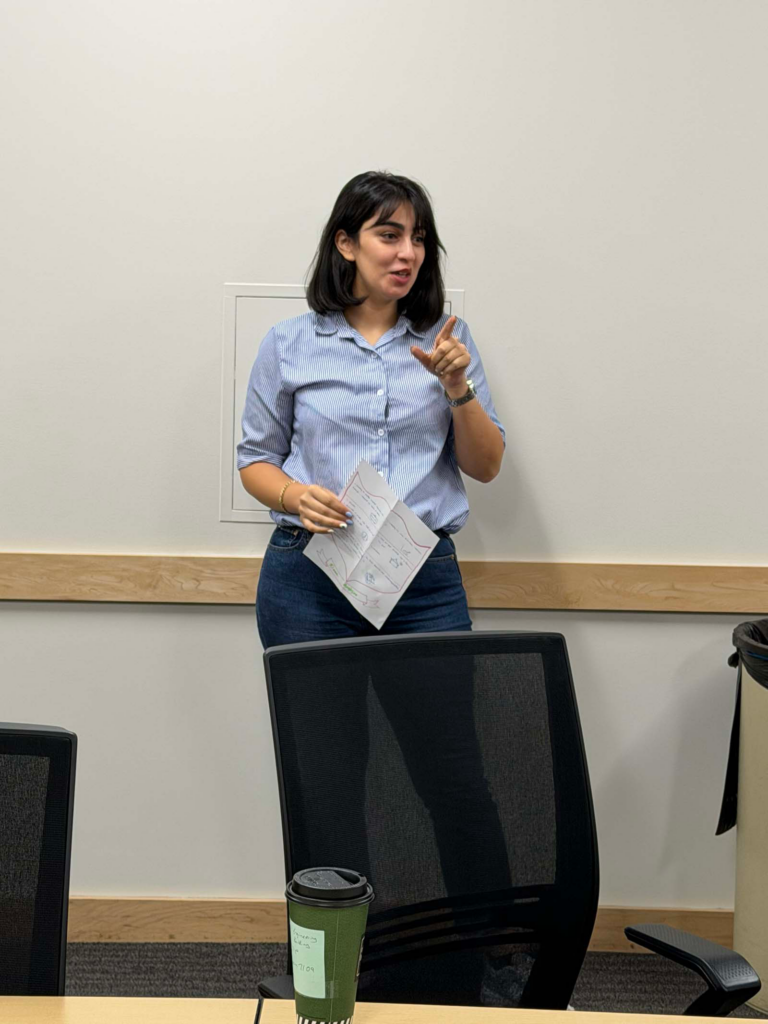
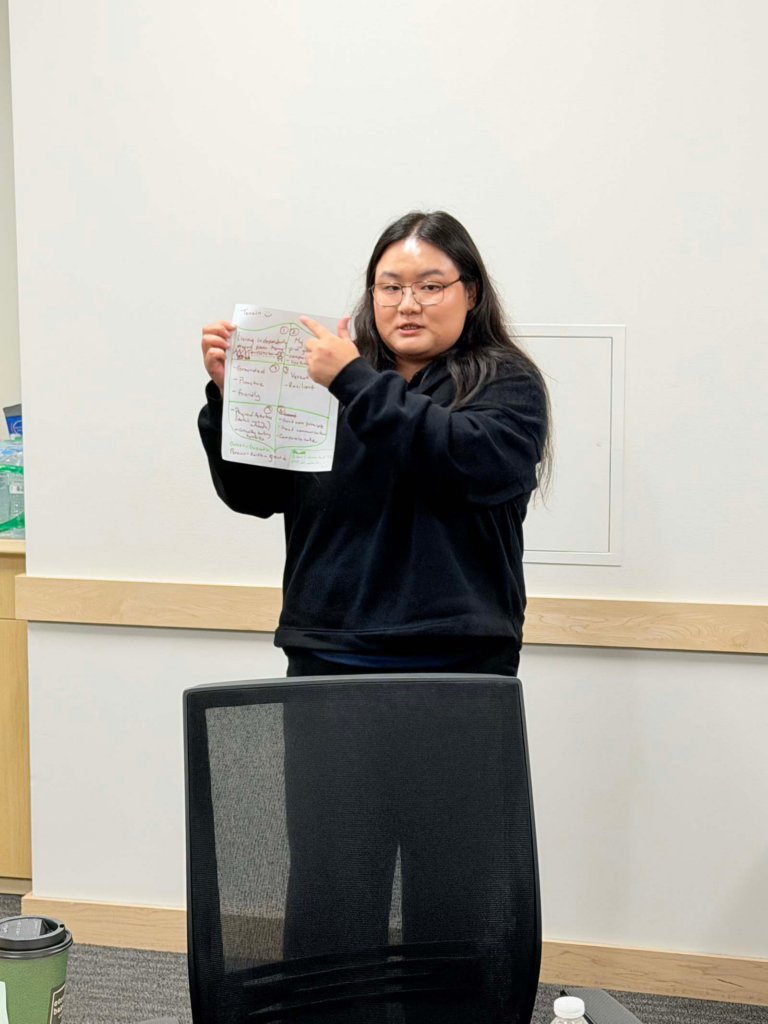
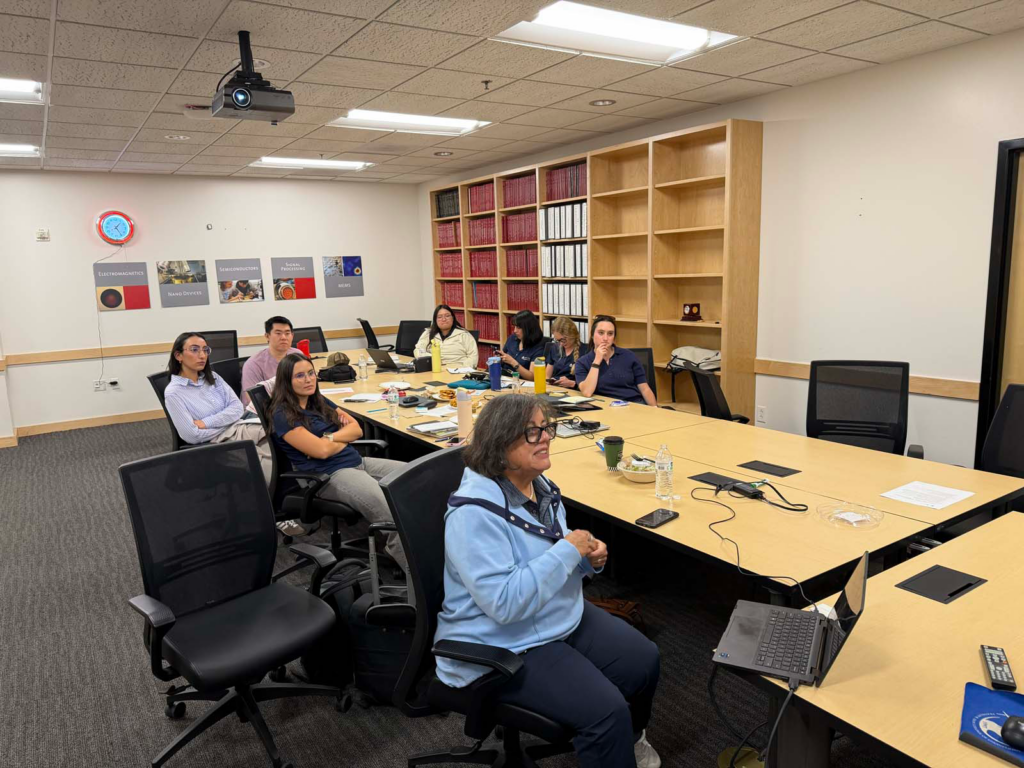
Luncheon with ERC Leadership, Council of Presidents & Industry Member, David Walker
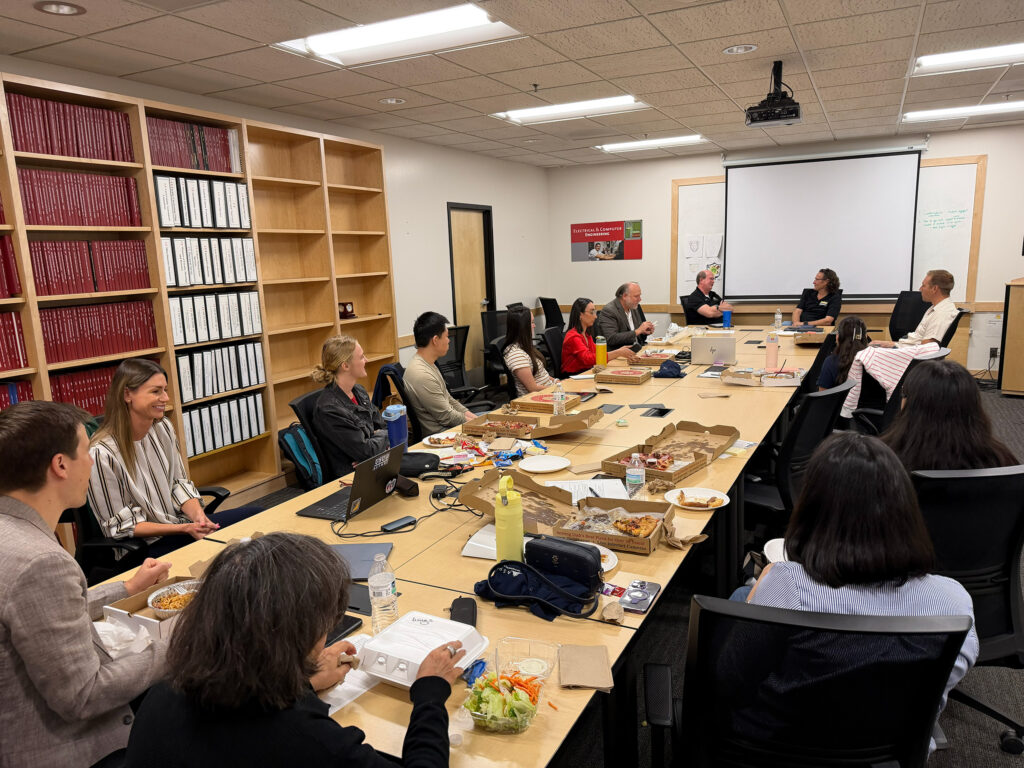
Dining at Blue Iguana and Crown Burgers